
 Call: +91 9266610101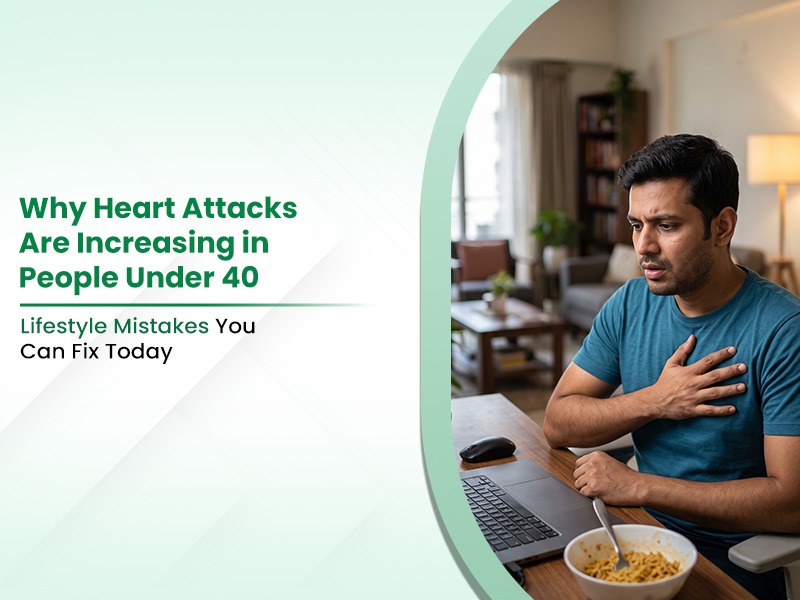
Why Heart Attacks Are Increasing in People Under 40: Lifestyle Mistakes You Can Fix Today
Heart attacks are often associated with older age, but younger adults can also develop cardiovascular risk factors that may increase their chances of heart disease. Sedentary routines, unhealthy eating habits, smoking, chronic stress, poor sleep, obesity, diabetes, high blood pressure, and high cholesterol can all contribute to cardiovascular risk at a younger age.
Understanding these risk factors and making practical lifestyle changes early can help protect long-term heart health. For individuals looking for specialised cardiac evaluation, consulting experienced specialists at the Best Heart Hospital in Delhi can help identify cardiovascular risk factors and guide appropriate preventive care.
Lifestyle Factors That Can Affect Heart Health
Modern work and social routines often involve long periods of sitting, irregular meals, limited physical activity, and prolonged screen time. Over time, these habits can contribute to weight gain, high blood pressure, abnormal cholesterol levels, and other conditions associated with cardiovascular disease.
Some common lifestyle factors that can affect heart health include:
- Physical Inactivity: Spending long hours sitting and getting little regular exercise can contribute to obesity, poor metabolic health, and cardiovascular risk.
- Unhealthy Diet: Frequent consumption of highly processed foods, excess salt, added sugars, and unhealthy fats can contribute to high cholesterol, high blood pressure, and weight gain.
- Smoking and Tobacco Use: Tobacco damages blood vessels and is an important modifiable risk factor for heart disease.
- Chronic Stress: Persistent stress can affect sleep, blood pressure, eating habits, and other behaviours that influence cardiovascular health.
- Poor Sleep: Regularly getting inadequate or disrupted sleep may be associated with high blood pressure, obesity, diabetes, and other cardiovascular risk factors.
Heart Health Risks to Watch Before 40
Age should not be the only factor considered when assessing cardiovascular health. A family history of premature heart disease, diabetes, hypertension, high cholesterol, smoking, obesity, and other underlying conditions can increase risk even in younger adults.
Individuals may benefit from discussing their cardiovascular risk with a doctor if they have:
- A family history of early heart disease
- High blood pressure or cholesterol
- Diabetes or prediabetes
- Obesity or significant weight gain
- A sedentary lifestyle
- Smoking or tobacco use
- Persistent stress or poor sleep
- Previous abnormal heart test results
People experiencing chest pressure or pain, unexplained breathlessness, cold sweating, nausea, sudden weakness, or pain spreading to the arm, back, neck, or jaw should seek emergency medical attention rather than waiting for symptoms to settle.
Simple Lifestyle Changes That Support Heart Health
Preventive heart care does not always require drastic changes. Consistent improvements in everyday habits can make a meaningful difference to cardiovascular health.
Stay Physically Active
Aim for regular physical activity suited to your age, fitness level, and medical condition. Brisk walking, cycling, swimming, strength training, and other moderate activities can support cardiovascular fitness.
If you spend several hours working at a desk, taking short movement breaks throughout the day can also help reduce prolonged sitting.
Choose a Heart-Healthy Diet
Build meals around vegetables, fruits, whole grains, pulses, lean sources of protein, nuts, and healthy fats. Limiting highly processed foods, excess salt, added sugars, and foods high in saturated and trans fats can help support healthy cholesterol and blood pressure levels.
Manage Stress
Chronic stress can influence several behaviours and health factors associated with cardiovascular risk. Regular exercise, adequate sleep, breathing exercises, mindfulness, hobbies, and maintaining healthy boundaries between work and personal time can help manage everyday stress.
Prioritise Quality Sleep
Most adults need around 7–9 hours of sleep each night. Maintaining a consistent sleep schedule, limiting excessive screen use before bedtime, and creating a comfortable sleep environment can support better sleep and overall health.
Avoid Smoking and Tobacco
Stopping smoking is one of the most important steps a person can take to reduce cardiovascular risk. Those who use tobacco products should consider speaking with a healthcare professional about appropriate cessation support.
The Role of Preventive Heart Check-Ups
Some cardiovascular risk factors do not cause noticeable symptoms. Regular health assessments can help identify conditions such as high blood pressure, high cholesterol, diabetes, and obesity before they contribute to more serious complications.
Depending on an individual's age, medical history, symptoms, and risk profile, a doctor may recommend tests such as blood pressure measurement, blood glucose testing, lipid profile, ECG, or other cardiac investigations.
For individuals seeking specialised preventive and cardiac care, Yashoda Medicity provides comprehensive cardiovascular evaluation through its Yashoda Institute of Cardiac Sciences. Patients can consult cardiology specialists to understand their individual risk factors and determine whether further evaluation is appropriate.
Take Heart Health Seriously, Even Before 40
Heart health begins long before the first symptoms of cardiovascular disease appear. Staying active, eating a balanced diet, maintaining a healthy weight, avoiding tobacco, managing stress, getting adequate sleep, and keeping conditions such as blood pressure, cholesterol, and diabetes under control can help reduce cardiovascular risk.
If you have risk factors or concerns about your heart health, consulting specialists at the Best Heart Hospital in Delhi can help you understand your individual risk and choose appropriate preventive measures. Yashoda Medicity's cardiac care team provides specialised evaluation, advanced diagnostics, and comprehensive treatment for a range of cardiovascular conditions.
FAQs
1. Can people under 40 have a heart attack?
Yes. Although heart attacks are more common with increasing age, younger adults can also experience them, particularly when they have risk factors such as smoking, diabetes, high blood pressure, high cholesterol, obesity, or a family history of premature heart disease.
2. What lifestyle habits increase heart disease risk in younger adults?
Smoking, physical inactivity, unhealthy eating patterns, excessive alcohol consumption, chronic stress, poor sleep, and maintaining an unhealthy weight can contribute to cardiovascular risk.
3. Should I get my heart checked even if I have no symptoms?
Preventive health assessments can be useful, particularly for people with risk factors or a family history of early heart disease. A doctor can recommend appropriate tests based on your individual health profile.
4. What are the warning signs of a heart attack?
Warning signs can include chest pain or pressure, breathlessness, sweating, nausea, sudden weakness, or discomfort that spreads to the arm, back, neck, or jaw. These symptoms require immediate medical attention.
5. How can I reduce my risk of heart disease before 40?
Regular physical activity, a balanced diet, adequate sleep, stress management, avoiding tobacco, maintaining a healthy weight, and monitoring blood pressure, cholesterol, and blood sugar can help support long-term heart health.