

 Call: +91 9266610101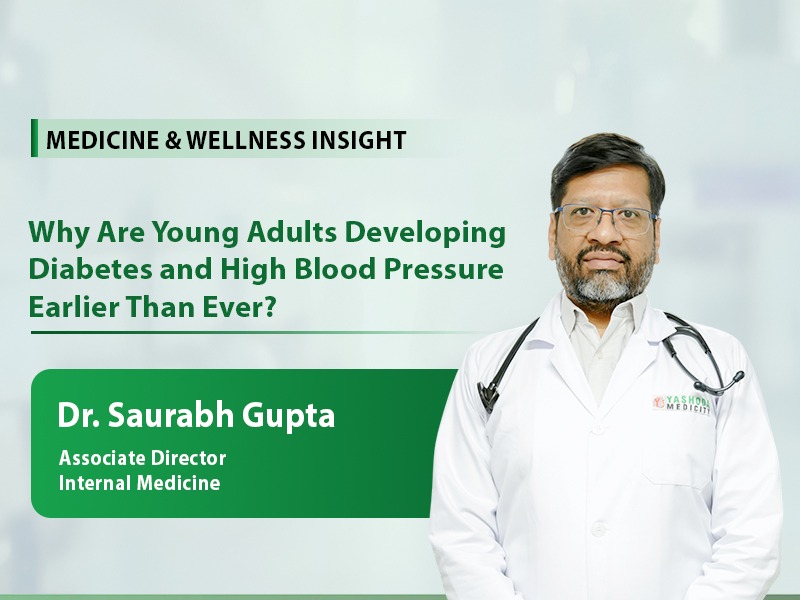
Why Are Young Adults Developing Diabetes and High Blood Pressure Earlier Than Ever?
High blood pressure and diabetes were once commonly associated with older age, but these conditions are increasingly being identified in younger adults as well. Teenagers, university students, and young professionals may develop risk factors for these disorders earlier in life.
In many cases, high blood pressure and elevated blood sugar do not cause noticeable symptoms in their early stages. As a result, an internal medicine doctor in Delhi NCR may remain undetected until routine testing or the development of complications. Awareness of risk factors, regular health assessments, and timely medical care are important for protecting long-term health.
Modern Lifestyles Driving Early-Onset Health Conditions
The increasing prevalence of metabolic conditions among young adults is associated with changes in everyday lifestyle habits. Long working hours and sedentary routines can reduce physical activity, while frequent consumption of processed foods, sugary beverages, and high-sodium meals may contribute to weight gain, insulin resistance, and elevated blood pressure.
Chronic stress, irregular sleep patterns, smoking, alcohol consumption, and increasing rates of overweight and obesity can further increase the risk of developing metabolic and cardiovascular conditions at a younger age.
Recognizing the Silent Nature and Health Risks
High blood pressure and diabetes are often described as silent conditions because they may cause few or no noticeable symptoms during their early stages. Some people with poorly controlled blood sugar or blood pressure may experience symptoms such as fatigue, blurred vision, headaches, or increased thirst, but these symptoms are not specific to these conditions.
When left untreated or poorly controlled, high blood pressure and diabetes can increase the risk of long-term complications. These may include heart disease, stroke, kidney damage, retinal problems, and other cardiovascular and metabolic complications.
Daily Strategies for Prevention and Metabolic Control
Preventing and managing metabolic health conditions involves consistent lifestyle habits. A balanced diet containing whole grains, vegetables, fruits, fibre, and appropriate sources of protein can support healthy blood sugar and blood pressure levels. Reducing excess salt, added sugars, and highly processed foods can also be beneficial.
Regular physical activity, such as walking, cycling, or yoga, can improve cardiovascular fitness and insulin sensitivity. Adults are generally advised to aim for at least 150 minutes of moderate-intensity physical activity per week, along with appropriate strength-based activity.
Getting adequate sleep, managing stress, avoiding tobacco, and limiting alcohol consumption can further support overall cardiovascular and metabolic health.
Taking Action With Specialist Medical Care
Taking proactive care of your health in your twenties and thirties can help identify risk factors before they lead to complications. Regular health assessments can include blood pressure and blood glucose testing when appropriate, based on individual age, risk factors, and medical history.
For comprehensive evaluation and personalised medical management, consulting an experienced internal medicine doctor in Delhi NCR can provide appropriate clinical guidance. Specialist care can support early detection, risk assessment, lifestyle modification, and treatment when required.
Consult Dr. Saurabh Gupta for Expert Care
When seeking expert medical guidance for metabolic health, Dr. Saurabh Gupta offers specialised clinical expertise as an Infectious Diseases, Diabetes & Hypertension Management Specialist. His clinical practice covers comprehensive adult healthcare, including infectious diseases, Pyrexia of Unknown Origin (PUO), autoimmune disorders, obesity management, Type 1 and Type 2 diabetes mellitus, hypertension, Chronic Obstructive Pulmonary Disease (COPD), and asthma.
By identifying and managing metabolic risk factors early through appropriate diagnostic evaluation and structured care plans, Dr. Saurabh Gupta provides personalised medical guidance focused on long-term health and well-being.
FAQs
1. Why are young adults developing high blood pressure and diabetes earlier?
Several factors can increase the risk, including unhealthy dietary patterns, physical inactivity, excess weight, chronic stress, inadequate sleep, smoking, and family history. Certain medical conditions and genetic factors can also contribute.
2. What are the common early symptoms of high blood pressure in young adults?
High blood pressure often causes no noticeable symptoms, which is why regular blood pressure checks are important. Severe hypertension may sometimes be associated with symptoms such as headache, blurred vision, chest pain, or shortness of breath and requires medical evaluation.
3. Can young adults manage high blood pressure through lifestyle changes?
Lifestyle measures such as regular physical activity, a balanced diet, maintaining a healthy weight, adequate sleep, stress management, and avoiding tobacco can help lower blood pressure. However, some people require medication in addition to lifestyle changes. Treatment should be based on individual medical assessment.
4. How often should young adults check their blood pressure and blood sugar?
Blood pressure can be checked regularly as part of routine health assessments. Blood sugar testing is recommended based on individual risk factors, age, family history, weight, and other health conditions. A doctor can advise on the appropriate frequency for each individual.
5. What are the main risks of leaving early-onset hypertension untreated?
Untreated or poorly controlled high blood pressure can increase the risk of heart disease, stroke, kidney damage, vision problems, and other cardiovascular complications over time.