
 Call: +91 9266610101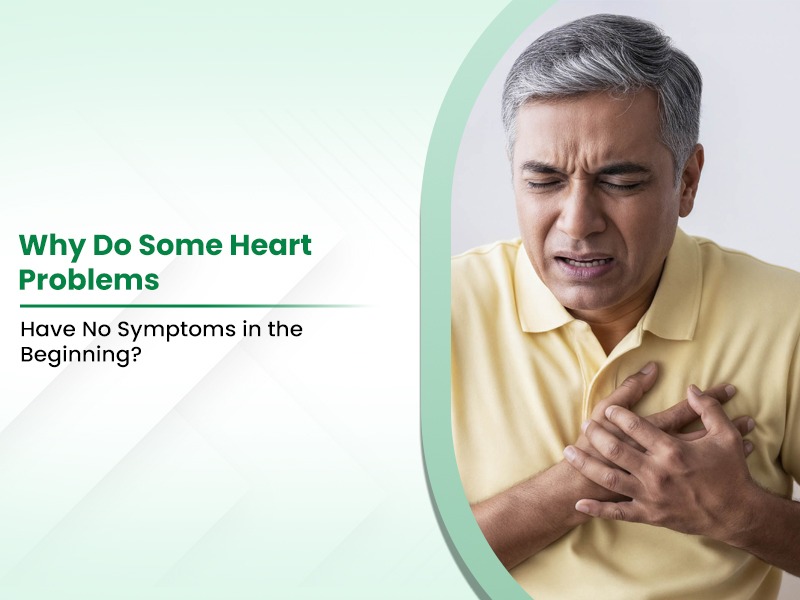
Why Do Some Heart Problems Have No Symptoms in the Beginning?
Some heart conditions can develop gradually without causing noticeable symptoms in the early stages. This can make it difficult for people to recognise an underlying cardiovascular problem until symptoms become more apparent or a complication occurs. At Yashoda Medicity, understanding these less noticeable presentations can help patients recognise cardiovascular risk factors and seek appropriate medical evaluation. The top cardiac surgeon in Ghaziabad works alongside cardiologists and other specialists to provide comprehensive cardiac evaluation and treatment supported by advanced diagnostic facilities.
The Concept of "Silent" Heart Disease
Some cardiovascular conditions can progress without obvious symptoms, particularly during their early stages. The body may compensate for gradual changes in blood flow or heart function, allowing a person to continue with everyday activities without recognising an underlying problem.
Conditions that may sometimes have few or no noticeable symptoms include:
- Coronary Artery Disease (CAD): Narrowing of the coronary arteries due to plaque buildup may not cause symptoms initially, particularly in some individuals.
- Silent Heart Attacks: Some myocardial infarctions occur with mild, atypical, or no recognised symptoms and may only be identified through subsequent medical evaluation.
- High Blood Pressure: Hypertension often does not cause noticeable symptoms, even when it is affecting cardiovascular health over time.
- Heart Valve Problems: Mild valve disease may remain asymptomatic for a period before symptoms such as breathlessness, fatigue, or reduced exercise tolerance develop.
- Irregular Heartbeats (Arrhythmias): Some rhythm disturbances may be intermittent or have subtle symptoms, while others can cause palpitations, dizziness, or fainting.
Click here: Best Pediatric Cardiologist in Delhi NCR
Why the Heart May Not Cause Early Warning Signs
1. Differences in Pain Perception
Not everyone experiences cardiovascular symptoms in the same way. People with diabetes may develop autonomic neuropathy, which can affect the perception of symptoms associated with myocardial ischaemia. As a result, some individuals may experience fewer typical warning symptoms.
2. Gradual Disease Progression
When cardiovascular disease develops gradually, people may adjust their daily activities without recognising the change. For example, someone may become less active or avoid strenuous activity because of fatigue or reduced exercise tolerance without connecting these changes to a possible heart condition.
3. Atypical or Non-Specific Symptoms
Cardiovascular conditions do not always cause classic chest pain. Fatigue, breathlessness, indigestion-like discomfort, back or jaw pain, dizziness, or reduced exercise tolerance can occur with some heart conditions. These symptoms can have many possible causes, so appropriate medical evaluation is important when they are persistent, recurrent, or unexplained.
How We Detect Cardiovascular Conditions at Yashoda Medicity
People with cardiovascular risk factors may benefit from appropriate medical assessment even when they do not have obvious symptoms. At Yashoda Medicity, the cardiac department provides diagnostic evaluation based on the patient's symptoms, medical history, risk factors, and clinical requirements.
Led by experienced cardiac specialists, including a cardiothoracic surgeon in Delhi NCR, our cardiac services may include:
- CT Coronary Angiography: Used in selected patients to evaluate coronary artery anatomy and assess possible coronary artery disease.
- 3D Echocardiography: Provides detailed assessment of heart structure, function, and valves where clinically appropriate.
- Treadmill Stress Testing and Holter Monitoring: Stress testing can assess the heart's response to exercise, while Holter monitoring can help identify intermittent rhythm abnormalities.
- Blood Tests: Relevant biomarkers and routine investigations may be used to assess cardiovascular risk or evaluate suspected cardiac conditions.
The appropriate combination of investigations is determined by the treating clinician rather than through routine testing for every individual.
When Advanced Cardiac Care May Be Required
When cardiovascular disease causes significant structural or coronary abnormalities, treatment may include medication, interventional procedures, or surgery depending on the diagnosis. At Yashoda Medicity, cardiac and cardiothoracic teams provide treatment options based on the patient's condition and clinical requirements.
Depending on the diagnosis, surgical procedures may include Coronary Artery Bypass Grafting (CABG), heart valve repair or replacement, and selected aortic procedures. Minimally invasive approaches may be considered for appropriate patients when clinically suitable.
Key Risk Factors That May Require Heart Evaluation
Even without noticeable symptoms, you should discuss cardiovascular assessment with your doctor if you have:
- A family history of premature heart disease or sudden cardiac death.
- Conditions such as diabetes, high cholesterol, or hypertension.
- A history of smoking, physical inactivity, or other established cardiovascular risk factors.
- Symptoms such as unexplained breathlessness, chest discomfort, palpitations, dizziness, or reduced exercise tolerance.
The need for screening and the appropriate tests depend on individual risk factors, age, medical history, and clinical findings.
Click here: Best Pediatric CTVS Surgeon in Delhi NCR
Conclusion
Feeling healthy does not always rule out an underlying cardiovascular condition. Recognising risk factors and seeking appropriate medical evaluation can help identify heart problems that may not initially cause noticeable symptoms. Consulting the top cardiac surgeon in Ghaziabad or a cardiology specialist at Yashoda Medicity can help determine whether further cardiac assessment or treatment is appropriate.
At Yashoda Medicity, cardiac and cardiothoracic teams provide diagnostic evaluation, medical management, interventional cardiology, and surgical care according to the patient's condition and clinical requirements. Schedule a cardiac consultation through the Yashoda Medicity online appointment system.
FAQs
Q1. Why do some heart diseases have few or no early symptoms?
Some cardiovascular conditions develop gradually or may not produce noticeable symptoms initially. Certain people may also experience atypical symptoms or have reduced awareness of cardiac symptoms.
Q2. How can cardiovascular conditions be detected before complications occur?
Depending on a person's symptoms and risk factors, doctors may recommend investigations such as blood tests, ECG, echocardiography, stress testing, Holter monitoring, or CT coronary angiography. The appropriate tests depend on the individual's clinical assessment.
Q3. When should someone consult a cardiac surgeon despite having no obvious symptoms?
A cardiac surgeon is generally consulted when a known or suspected structural or coronary condition may require surgical evaluation. People without symptoms but with significant cardiovascular risk factors should first discuss appropriate assessment with a cardiologist or physician.
Q4. Why should people with diabetes pay attention to cardiovascular health?
Diabetes is an established cardiovascular risk factor, and diabetic autonomic neuropathy can affect the perception of certain symptoms. Regular medical follow-up can help assess cardiovascular risk and determine whether further evaluation is appropriate.
Q5. What surgical treatments are available at Yashoda Medicity for heart conditions?
Depending on the diagnosis, surgical treatment may include Coronary Artery Bypass Grafting (CABG), heart valve repair or replacement, and selected aortic procedures. Minimally invasive approaches may be considered for eligible patients based on their clinical requirements.