
 Call: +91 9266610101
When Is Joint Replacement Recommended for Knee or Hip Problems?
Severe knee or hip pain can make simple daily activities, such as walking, climbing stairs, or sitting comfortably, feel like immense challenges. While non-surgical treatments like medications, physical therapy, and lifestyle adjustments may provide relief, chronic joint degeneration can eventually compromise your quality of life. Knowing when to transition from conservative management to joint replacement surgery is essential for improving mobility and independence.
For a complete evaluation and personalised treatment options, consult experts at the Best Orthopaedics Hospital in Ghaziabad, Yashoda Medicity, for medical care tailored to your specific condition.
Understanding Knee and Hip Joint Damage
The knee and hip are major weight-bearing joints that endure wear and tear over a lifetime. Smooth cartilage covers the ends of the bones, allowing them to glide smoothly. When this protective cartilage degrades, the joint may become painful and stiff, with inflammation and, in some cases, deformity.
Primary causes of progressive joint damage include:
- Osteoarthritis: A degenerative condition that gradually wears away joint cartilage.
- Rheumatoid Arthritis: An autoimmune condition causing chronic joint inflammation and structural damage.
- Post-Traumatic Arthritis: Joint degeneration that develops following fractures, ligament injuries, or other trauma.
- Avascular Necrosis: Restricted blood supply to a bone, leading to bone tissue damage and possible collapse, commonly affecting the hip.
For active individuals or athletes experiencing joint degeneration after traumatic injuries, guidance from the best sports injury surgeon in Delhi NCR can help determine whether non-surgical treatment or surgical reconstruction is appropriate.
Key Signs It Is Time to Consider Joint Replacement
Orthopaedic specialists generally recommend joint replacement surgery when conservative, non-surgical treatments no longer provide adequate pain relief or functional improvement. Key indicators include:
- Severe, Persistent Pain: Pain that persists during rest, wakes you up at night, or worsens during routine activities like standing or walking.
- Loss of Mobility and Flexibility: Significant stiffness that limits your range of motion, making it difficult to bend your knee, tie shoes, or get out of a car or chair.
- Chronic Joint Inflammation: Persistent swelling, stiffness, and localised warmth that do not improve with treatment or rest.
- Limited Relief from Conservative Treatments: Inadequate improvement with physical therapy, anti-inflammatory medications, joint injections, or mobility aids.
- Visible Joint Deformity: Bow-legged or knock-kneed knees, or shortening and structural changes affecting the hip.
- Declining Quality of Life: Difficulty maintaining an independent lifestyle, performing work responsibilities, or participating in everyday activities due to joint pain.
Consulting experienced top joint replacement doctors for knee, hip, and shoulder in Delhi NCR can help you receive a thorough assessment, which may include X-rays and, when indicated, MRI scans to determine whether joint replacement is appropriate.
Benefits of Modern Joint Replacement Surgery
Advances in surgical techniques and medical technology have made modern joint replacement an effective treatment option for many people with severe joint damage:
- Long-Term Pain Relief: Can significantly reduce chronic joint pain, although the extent of relief varies between patients.
- Improved Joint Function and Mobility: Can help patients walk, climb stairs, drive, and resume many daily activities with greater comfort.
- Enhanced Quality of Life: Can improve independence and support better physical and mental well-being.
- High Durability: Modern joint implants are made from biocompatible materials and can last 20 years or longer, although implant lifespan varies depending on factors such as activity levels, health and implant type.
Complete Orthopedic Care at Yashoda Medicity
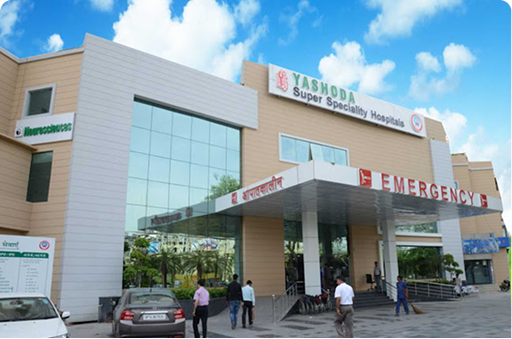
Choosing the right hospital and surgical experts is important for achieving good long-term outcomes after joint replacement surgery. Yashoda Medicity offers joint reconstruction and sports medicine services, with surgical facilities, minimally invasive approaches where appropriate, and rehabilitation programmes tailored to patients' needs.
For personalised care, expert diagnosis, and joint surgery, consult two of our orthopaedic specialists at Yashoda Medicity:
- Dr. Brajesh Koushle: Expertise in complex joint replacement surgeries, robotic-assisted techniques, and joint reconstruction.
- Dr. Gourav Thakral: Expertise in hip and knee arthroplasty, minimally invasive joint procedures, and sports injury rehabilitation.
- Dr. Amit Sharma: A highly distinguished orthopedics, joint replacement, and sports medicine specialist with over 25 years of clinical experience. He is renowned for performing more than 6,000 successful joint replacements and complex trauma surgeries
- Dr. Akhil Kulshreshtha: Accomplished orthopaedic surgeon with over 33 years of experience in joint replacement, sports medicine, and trauma care.
Schedule an appointment at Yashoda Medicity to evaluate your joint health, explore your treatment options, and discuss steps towards a more comfortable, active life.