
 Call: +91 9266610101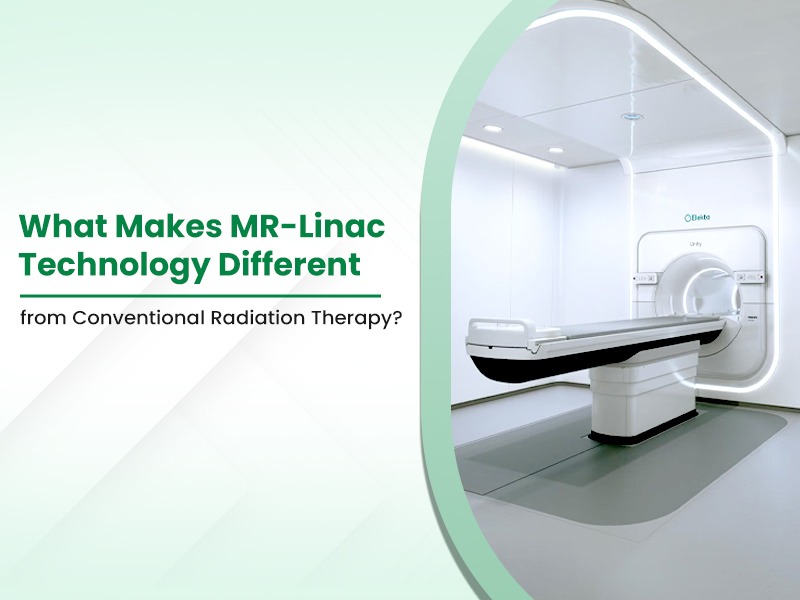
What Makes MR-Linac Technology Different from Conventional Radiation Therapy?
Radiation therapy has been a cornerstone of cancer treatment for decades, helping destroy cancer cells while preserving as much healthy tissue as possible. Over the years, continuous technological advancements have made radiation treatment more precise, effective, and safer for patients. One of the most significant breakthroughs in recent years is MR-Linac technology, which combines real-time MRI imaging with radiation therapy to deliver highly precise, adaptive cancer treatment.
Unlike conventional radiation therapy, which relies on treatment plans created before the first session, MR-Linac allows oncologists to visualise the tumour during every treatment session and adapt the radiation plan based on changes in the patient's anatomy. This level of precision is especially valuable for tumours located near critical organs or those that move naturally with breathing or digestion.
At Yashoda Medicity, patients have access to this advanced technology under the guidance of experienced specialists, ensuring personalised treatment plans that prioritise both treatment effectiveness and patient safety. If you are looking for the best radiation oncologist in Delhi, understanding how MR-Linac differs from conventional radiation therapy can help you make informed decisions about your treatment options.
What Is MR-Linac Technology?
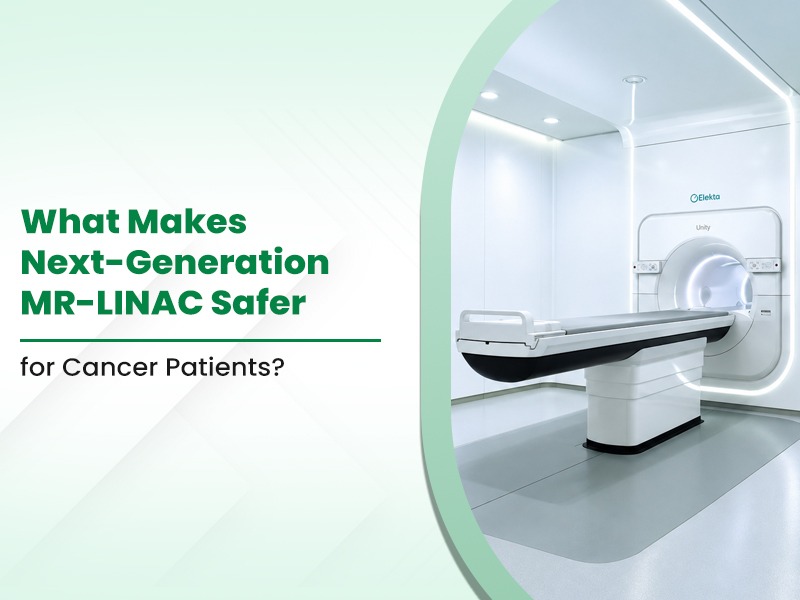
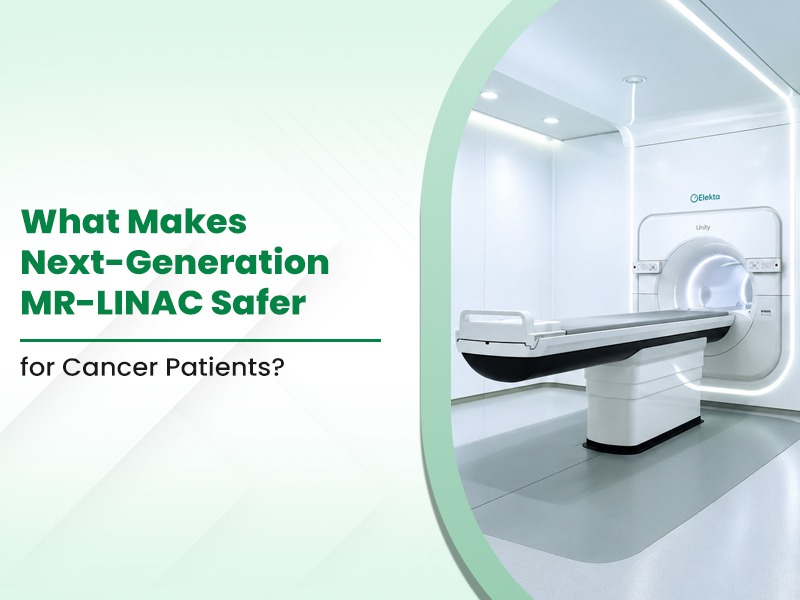
MR-Linac is an advanced radiation therapy system that combines a high-field Magnetic Resonance Imaging (MRI) scanner with a Linear Accelerator (Linac). Traditionally, radiation treatment planning relies on CT scans and, in some cases, MRI scans performed before treatment begins. However, during the actual delivery of radiation, conventional systems do not provide continuous visualisation of the tumour.
As a result, natural body movements such as breathing or internal organ motion can affect the position of the tumour during treatment, increasing the possibility of exposing nearby healthy tissues to radiation. MR-Linac overcomes this limitation by providing real-time MRI images of both the tumour and surrounding organs throughout the treatment session. This enables clinicians to monitor anatomical changes continuously and deliver radiation with greater precision. This advanced technology is available at Yashoda Medicity, helping deliver highly precise and personalised cancer care.
One of the greatest advantages of MR-Linac technology is its ability to account for natural internal body movements. Since the human body is constantly in motion, even small shifts in the position of organs can influence treatment accuracy. Real-time imaging allows radiation oncologists to adapt treatment to these changes without compromising precision.
Addressing internal organ movement
Internal organs naturally move throughout the day due to breathing, digestion, and changes in bladder or bowel filling. These movements can make it challenging to target tumours accurately using conventional radiation therapy.
- Continuous respiratory motion and lung expansion: The lungs, chest wall, and adjacent upper abdominal organs move continuously as the patient breathes. Under the supervision of the best radiation oncologist in Noida, real-time motion management allows these movements to be monitored throughout treatment, helping improve targeting accuracy.
- Gastrointestinal motion and digestion: The stomach, small intestine, large intestine, and liver continuously change position as food passes through the digestive system. This movement can make tumor localization more challenging without real-time imaging.
- Variability of bladder filling and pelvic displacement: The prostate, cervix, uterus, and surrounding pelvic organs may shift depending on bladder filling and other physiological changes. Real-time MRI guidance enables clinicians to account for these movements while delivering radiation, helping protect nearby healthy tissues.
Mechanisms Of Adaptive Therapy
A patient's anatomy can change throughout the course of radiation treatment. Tumors may shrink in response to therapy, patients may lose weight, and nearby organs may shift position between treatment sessions.
With conventional radiation therapy, adapting to these changes usually requires new scans, dose recalculations, and an entirely new treatment plan, which may take several days.
At Yashoda Medicity, specialists overcome this limitation by using advanced adaptive planning software that recalculates radiation doses and updates the treatment plan during the same treatment session. Before each session, the patient undergoes an MRI scan, allowing doctors to evaluate any anatomical changes and modify the radiation plan accordingly.
This adaptive approach helps deliver the prescribed radiation dose more accurately to the tumor while minimizing unnecessary exposure to surrounding healthy tissues.
Comparing The Core Technologies
Understanding the differences between MR-Linac and conventional radiation therapy helps explain how this technology improves treatment precision and patient outcomes.
Below is a detailed comparison of the operational characteristics separating the two paradigms:
- Imaging type and real-time visualisation: Conventional radiation therapy relies on CT simulation scans and pre-treatment imaging, whereas MR-Linac provides continuous high-field MRI imaging throughout radiation delivery.
- Soft-tissue contrast and boundary clarity: Conventional imaging provides limited visualisation of soft tissues during treatment. MR-Linac offers excellent soft-tissue contrast, allowing clinicians to clearly distinguish tumours from surrounding organs.
- Target margins and anatomical boundaries: Conventional treatment often requires larger safety margins to account for organ movement. MR-Linac enables smaller treatment margins by continuously monitoring the tumour during radiation delivery.
- Treatment plan flexibility and modifications: Conventional radiation therapy generally follows a fixed treatment plan created before the first treatment session. MR-Linac allows radiation oncologists to review and adapt the treatment plan daily based on the patient's current anatomy.
- Healthy tissue sparing and protection: Conventional treatment uses predefined safety margins that may expose nearby healthy tissues to radiation. MR-Linac helps reduce unnecessary radiation exposure by adapting treatment to real-time anatomical changes.
Which Tumors Require This Technology?
MR-Linac technology is particularly beneficial for tumours that are located close to critical organs or are affected by natural body movements. Its ability to provide real-time MRI guidance and daily adaptive planning makes it suitable for treating cancers where precision is essential.
Patients seeking treatment from the best radiation oncologist in Noida at Yashoda Medicity can benefit from this advanced technology for a wide range of cancers that require highly targeted radiation therapy.
- Prostate cancer treatment: The prostate gland is located close to the bladder and bowel, both of which can change position throughout the day. Real-time MRI guidance allows radiation oncologists to accurately target the tumour while minimising radiation exposure to these surrounding organs.
- Pancreatic and liver cancer treatment: Tumours in the upper abdomen move continuously with breathing. MR-Linac technology enables clinicians to monitor these movements in real time and deliver radiation only when the tumour is within the planned treatment position, improving treatment accuracy.
- Brain and spinal cancer treatment: The brain and spinal cord contain critical neurological structures that require exceptional precision during radiation therapy. MR-Linac enables highly accurate treatment while minimising radiation exposure to nearby healthy tissues.
- Abdominal and pelvic cancer treatment: Tumours located in the abdomen and pelvis are often surrounded by organs that naturally shift position during treatment. Real-time imaging and adaptive planning help reduce unnecessary radiation exposure to healthy tissues while maintaining accurate tumour targeting.
Selecting Advanced Cancer Care
The evolution of radiation therapy has significantly improved the precision, safety, and effectiveness of cancer treatment. MR-Linac technology represents an important advancement by combining real-time MRI guidance with adaptive radiation therapy, allowing clinicians to tailor treatment according to the patient's anatomy during every session. When dealing with complex cancers, consulting the best radiation oncologist in Delhi provides access to personalised treatment plans supported by advanced technology and multidisciplinary expertise.
At Yashoda Medicity, experienced radiation oncologists combine clinical expertise with advanced oncology infrastructure to deliver individualised cancer care. By adapting treatment in real time, the team focuses on maximising treatment accuracy while protecting surrounding healthy tissues and improving the overall patient experience.
Schedule your consultation at Yashoda Medicity today to discuss advanced MR-Linac treatment options with our experienced radiation oncology specialists.
FAQs
What is MR-Linac technology at Yashoda Medicity?
MR-Linac is an advanced radiation therapy system that combines real-time MRI imaging with a linear accelerator, allowing radiation oncologists to visualise tumours during treatment and deliver highly precise radiation while protecting nearby healthy tissues.
How does Yashoda Medicity manage internal organ movement during radiation therapy?
Yashoda Medicity uses real-time MRI guidance to continuously monitor internal organ movement throughout treatment. This enables radiation oncologists to adapt radiation delivery according to anatomical changes and maintain treatment accuracy.
What is daily adaptive therapy at Yashoda Medicity?
Daily adaptive therapy allows doctors to review the patient's anatomy before each treatment session and modify the radiation plan whenever required. This helps ensure that radiation is delivered accurately despite changes in tumour size or organ position.
Which cancers can be treated using MR-Linac technology at Yashoda Medicity?
MR-Linac technology is particularly beneficial for cancers that are affected by organ movement or are located close to critical structures, including prostate, pancreatic, liver, brain, spinal, abdominal, and pelvic cancers.
How does Yashoda Medicity help protect healthy tissues during radiation therapy?
By combining real-time MRI imaging with adaptive treatment planning, Yashoda Medicity delivers highly precise radiation while minimising unnecessary exposure to surrounding healthy tissues, helping improve treatment safety and accuracy.