
 Call: +91 9266610101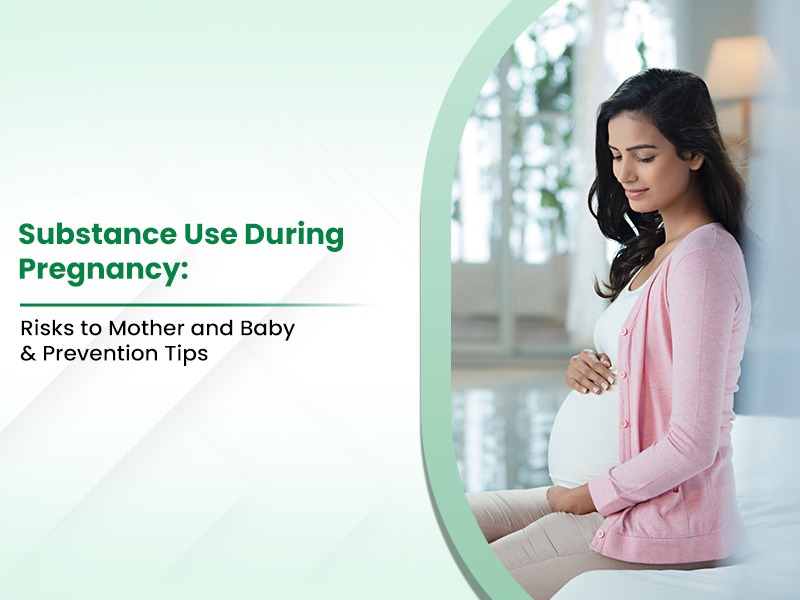
Substance Use During Pregnancy: Risks to Mother and Baby & Prevention Tips
Pregnancy is a period when the health and well-being of both the mother and developing baby require careful attention. Exposure to substances such as alcohol, tobacco, nicotine, opioids, cannabis, and certain other drugs during pregnancy can affect maternal health and fetal development. The risks vary depending on the substance, amount and frequency of use, timing during pregnancy, and other individual health factors. Early medical guidance can help women understand these risks and access appropriate support.
What Causes Maternal Risks?
Substance use during pregnancy can affect several aspects of maternal health and may increase the risk of pregnancy complications. Consulting a specialized child care hospital in Ghaziabad can provide paediatric and neonatal support when required, while pregnant women should receive substance-use assessment and pregnancy care from an obstetrician or appropriate specialist.
Potential maternal and pregnancy-related risks may include:
- Cardiovascular Effects: Certain substances can affect heart rate and blood pressure and may increase cardiovascular stress.
- Placental Complications: Tobacco, nicotine, cocaine, and some other substances can affect placental blood flow and are associated with an increased risk of placental complications.
- Pregnancy Complications: Depending on the substance, exposure may increase the risk of miscarriage, premature birth, or other pregnancy complications.
- Nutritional and General Health Concerns: Substance use may be associated with reduced appetite, poor nutrition, sleep disturbances, or other health problems that can affect pregnancy.
How Can Fetal Development Be Affected?
Some substances can cross the placenta and reach the developing fetus. Because fetal organs and metabolic systems are still developing, exposure can affect growth and development. The nature and severity of these effects depend on the substance and the timing and extent of exposure.
Potential effects may include:
- Growth Restriction and Low Birth Weight: Prenatal exposure to certain substances, particularly tobacco and nicotine, can increase the risk of restricted fetal growth and low birth weight.
- Brain and Developmental Effects: Alcohol exposure during pregnancy can cause fetal alcohol spectrum disorders, which may affect learning, behavior, growth, and neurological development. Other substances may also affect fetal neurodevelopment.
- Premature Birth and Neonatal Complications: Exposure to some substances is associated with premature birth and other complications around delivery.
- Neonatal Withdrawal: Babies exposed to opioids and certain other substances during pregnancy may develop neonatal withdrawal symptoms after birth and may require specialised neonatal assessment and supportive care.
At Yashoda Cradle and Children's Hospital, neonatal and paediatric teams provide specialised care for newborns and children who require medical assessment or monitoring following complicated pregnancies.
Why Is Appropriate Newborn Care Important?
Some babies exposed to substances during pregnancy may require additional observation after birth. Depending on the substance and the baby's clinical condition, neonatal teams may monitor feeding, breathing, temperature, neurological status, and signs of withdrawal.
Specialised neonatal care can include supportive management, feeding assistance, monitoring of growth, and treatment of complications when clinically required. The need for treatment varies from one newborn to another and is determined by the clinical assessment.
Which Prevention Strategies Help?
Preventing substance exposure during pregnancy begins with early medical guidance and open communication. Women who are pregnant or planning pregnancy should discuss alcohol, tobacco, nicotine, prescription medicines, recreational drugs, and any substance-use concerns with their healthcare provider.
- Preconception Planning: If pregnancy is being planned, discussing substance use with a healthcare professional can help identify risks and provide appropriate support before conception.
- Regular Prenatal Care: Attending scheduled antenatal appointments allows healthcare professionals to monitor maternal and fetal health and address concerns at an early stage.
- Open Medical Communication: Women should inform their obstetrician about any substance use, including prescription or non-prescription drugs. This helps doctors provide appropriate and safer medical advice.
- Professional Support: Stopping some substances suddenly can be medically unsafe, particularly with certain drugs. A healthcare professional can recommend an appropriate treatment or withdrawal-support plan.
- Family and Emotional Support: Support from family members, counsellors, addiction specialists, and healthcare professionals can help women make and maintain healthy changes during pregnancy.
Conclusion
Avoiding alcohol, tobacco, nicotine, and non-prescribed or recreational substances during pregnancy can help reduce potential risks to maternal and fetal health. If substance exposure has already occurred, women should not avoid medical care because of fear or embarrassment. Speaking openly with an obstetrician or healthcare professional can help determine the appropriate next steps.
At Yashoda Medicity, maternal, neonatal, and paediatric teams can provide appropriate clinical support according to the needs of the mother and newborn. For digestive or other health concerns in children after birth, consulting the best child specialist for digestive problems in Delhi NCR can help with appropriate paediatric evaluation and management.
Schedule a consultation through the Yashoda Medicity online appointment system for specialised maternal, neonatal, or paediatric care.
FAQs
1. How can substance use during pregnancy affect the mother's health?
Depending on the substance, use during pregnancy may affect blood pressure, heart rate, nutrition, sleep, and overall health. Certain substances may also increase the risk of pregnancy complications.
2. Can substances used during pregnancy affect the developing baby?
Yes. Some substances can cross the placenta and affect fetal growth and development. The potential effects depend on the substance, amount, frequency, and timing of exposure.
3. Can a newborn experience withdrawal after prenatal substance exposure?
Yes. Babies exposed to opioids and certain other substances during pregnancy may develop neonatal withdrawal symptoms after birth. Such newborns may require monitoring and specialised neonatal care.
4. Where can newborns receive care after a pregnancy complicated by substance exposure?
Newborns who require additional assessment or treatment can receive specialised neonatal care at Yashoda Cradle and Children's Hospital, with management based on their clinical condition.
5. What is the best way to reduce substance-related risks during pregnancy?
Avoiding alcohol, tobacco, nicotine, and non-prescribed or recreational substances is important. Women who are pregnant or planning pregnancy should discuss substance use openly with their healthcare provider and seek professional support when needed.