
 Call: +91 9266610101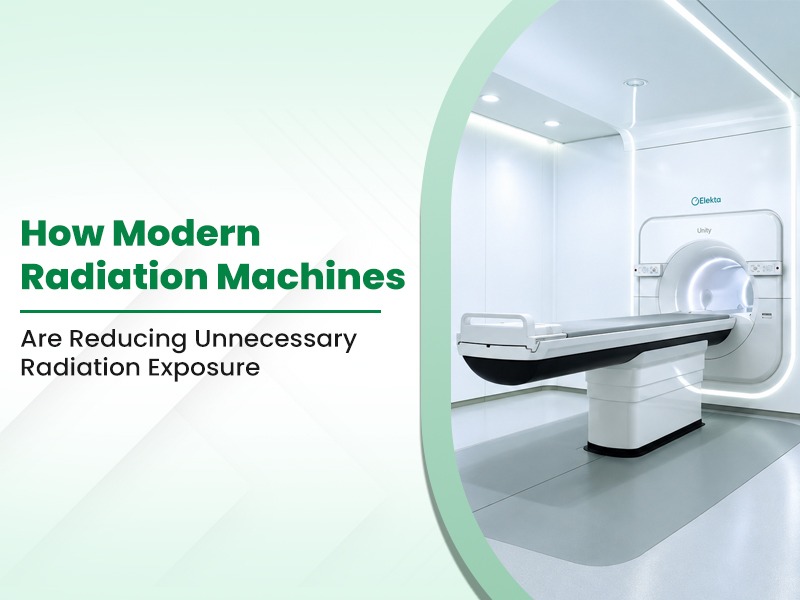
How Modern Radiation Machines Are Reducing Unnecessary Radiation Exposure
When facing a cancer diagnosis, one of the most pressing concerns for patients and families is understanding how treatment can destroy cancer cells while limiting radiation exposure to nearby healthy tissues. Modern radiation therapy has evolved significantly, with advanced technologies helping clinicians deliver radiation more precisely and manage patient movement during treatment.
Modern radiation platforms use real-time optical tracking, continuous surface guidance, image guidance, and adaptive treatment technologies to deliver highly targeted doses to complex treatment areas while helping limit unnecessary radiation exposure to surrounding non-target structures.
What Is Advanced Surface-Guided Radiotherapy (SGRT)?
Surface-Guided Radiotherapy (SGRT) represents a major advancement in patient alignment, positioning, and non-contact body monitoring during treatment. Traditional positioning methods may use skin marks or tattoos as reference points, although these are not the only methods used for radiation therapy setup.
SGRT uses specialised camera systems mounted around the treatment room to project safe, non-ionising light patterns onto the patient’s body. These optical tracking cameras construct a dynamic three-dimensional surface map, continuously comparing the patient's position with reference planning data. If the patient shifts due to involuntary movement or changes in breathing, the monitoring system can detect the discrepancy and alert the treatment team or support beam-gating workflows where appropriate.
How Real-Time Optical Tracking Helps Limit Healthy Tissue Exposure
One benefit of modern radiation machines equipped with optical tracking is improved patient positioning and motion monitoring. During treatment, high-energy radiation beams target cancer cells to damage their DNA and inhibit their ability to reproduce. However, the patient's external surface and internal organs can naturally move during treatment.
- High-Precision Motion Detection: Optical tracking systems continuously monitor changes in the patient's external surface during treatment delivery.
- Automatic Beam Gating: When supported by the treatment system and clinical workflow, radiation delivery can be interrupted if patient movement or breathing exceeds predefined treatment thresholds until appropriate alignment is restored.
- Organ Protection: In left-sided breast cancer treatment, SGRT can support Deep Inspiration Breath-Hold (DIBH) techniques. During a deep breath-hold, the lungs expand and the heart may move farther from the chest wall, which can help reduce radiation exposure to the heart.
Key Clinical Applications Across Complex Cancers
Advanced radiation guidance technologies can support treatment planning and delivery across a range of anatomical regions:
- Breast and Chest Care: Supports cardiac and pulmonary protection through respiratory gating and real-time surface monitoring during selected treatment techniques.
- Cranial and Brain Conditions: Supports precise non-invasive patient alignment during stereotactic radiosurgery. Selected frameless techniques can avoid the need for invasive metallic head frames while helping limit radiation exposure to surrounding healthy brain tissue.
- Thoracic and Abdominal Tumours: Respiratory motion-management techniques can help account for movement of tumours in the lungs, liver, or other abdominal sites. The appropriate treatment margins are determined during individualised treatment planning.
- Pelvic Cancers: External surface monitoring can support patient positioning during prostate or gynaecological radiation therapy. Internal organ movement and filling, however, may require additional imaging and clinical assessment.
What Patients Should Expect During Modern Radiotherapy Sessions?
Undergoing modern radiation treatment involves a structured preparation and delivery process designed to support accurate positioning and patient comfort:
- Consultation & Simulation: The clinical team reviews the patient's medical history and performs planning scans, such as CT, to define the treatment area and establish reference information.
- Custom Body Support: Specialised immobilisation devices, such as custom cushions or masks, may be used to help the patient maintain a comfortable and reproducible position during treatment.
- Contactless Setup: Modern SGRT allows radiation therapists to use optical surface information to support patient alignment, reducing reliance on skin marks or tattoos in selected treatment workflows.
- Treatment Delivery: Radiation delivery is non-invasive. Treatment time varies depending on the technique, treatment area, imaging requirements, and individual treatment plan. Patients generally do not feel the radiation itself during delivery.
Next-Generation Radiotherapy Platforms at Yashoda Medicity
The Department of Radiation Oncology at Yashoda Medicity houses advanced radiotherapy systems designed to support precise treatment delivery and help limit unnecessary radiation exposure:
- ETHOS with HYPERSIGHT and IDENTIFY Technology: An adaptive radiation therapy platform that uses advanced imaging to assess changes in patient anatomy and can support treatment plan adaptation when clinically appropriate.
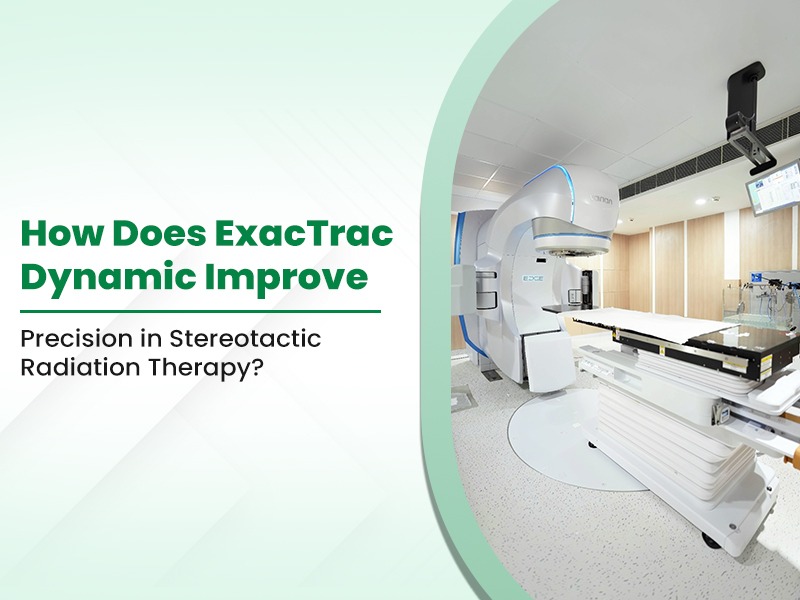
- EDGE with HyperArc and ExacTrac Dynamic: A stereotactic radiosurgery platform designed for selected complex brain and other lesions, incorporating advanced image guidance and motion monitoring to support precise treatment delivery.
- Elekta Unity MR-Linac: Combines a 1.5T MRI scanner with a linear accelerator, allowing detailed soft-tissue imaging to support treatment planning and image-guided radiation delivery.
- BRAVOS: A High-Dose-Rate (HDR) brachytherapy system that delivers radiation from a source placed close to or within the treatment area, with treatment planning and safety mechanisms designed for controlled radiation delivery.
Advanced Cancer Radiotherapy at Yashoda Medicity
As medical science advances, modern radiation therapy continues to incorporate highly targeted treatment and image-guidance technologies to help limit unnecessary radiation exposure. By combining surface monitoring, adaptive treatment approaches, and advanced imaging, these technologies can support accurate radiation delivery while helping protect surrounding healthy tissues.
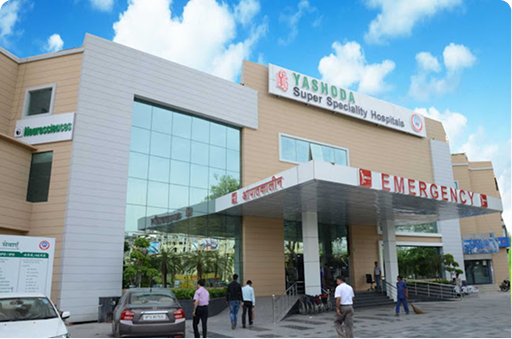
For patients seeking advanced Surface-Guided Radiotherapy in Ghaziabad and surrounding regions, Yashoda Medicity provides specialised radiation oncology services. Recognised as the Best Radiotherapy Hospital in Delhi and the Best Radiotherapy Hospital in Greater Noida, Yashoda Medicity brings together radiation oncologists, medical physicists, radiation therapists, and multidisciplinary tumour boards to develop individualised treatment plans.
Whether you require stereotactic radiosurgery, adaptive radiation therapy, or SGRT-based treatment, Yashoda Medicity provides personalised radiation oncology care based on your diagnosis and clinical requirements. Contact Yashoda Medicity today to schedule a consultation with our radiation oncology specialists.