
 Call: +91 9266610101
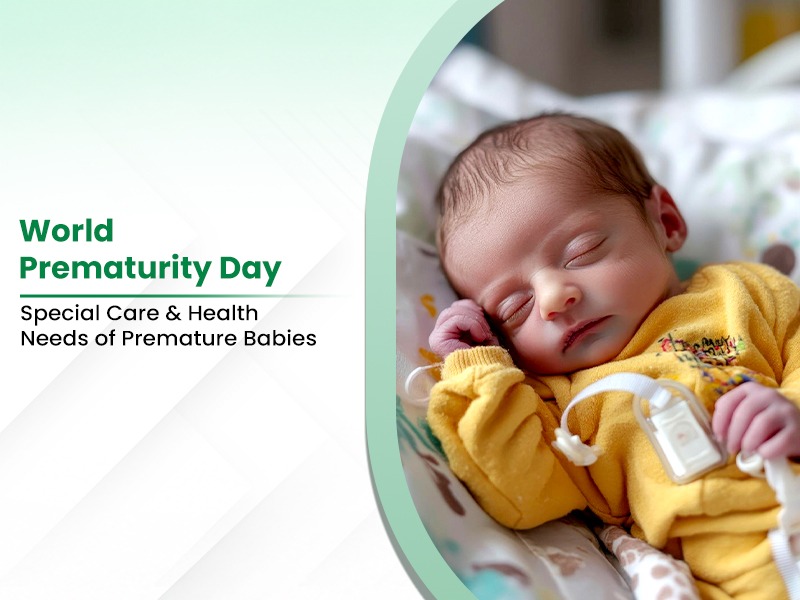
World Prematurity Day: Special Care and Health Needs of Premature Babies
Imagine holding a tiny newborn in your arms whose early arrival means every breath, feeding, and touch requires specialised medical support. World Prematurity Day shines a compassionate light on the unique physical needs of infants born before completing their full gestational development. Families facing an early arrival often feel overwhelmed by the complex medical environment and lack clear guidance on specialised neonatal care. Understanding these specialised health requirements helps parents navigate the early journey with confidence, protecting fragile infants and supporting healthy developmental milestones.
Understanding World Prematurity Day
World Prematurity Day is an annual global health observance that raises awareness of the challenges and health needs of infants born early. This initiative focuses on educating families, strengthening neonatal healthcare infrastructure, and advocating for compassionate care strategies that improve survival rates and long-term quality of life for premature infants worldwide.
Key goals of this global health initiative include:
- Raising Global Neonatal Awareness: Educating communities about the causes of early birth and the physical needs of premature infants.
- Improving Specialised Care Access: Highlighting the vital importance of advanced neonatal intensive care units equipped with specialised life support technology.
- Supporting Families Emotionally: Offering guidance, educational resources, and continuous encouragement to parents navigating prolonged neonatal hospital stays.
- Promoting Preventive Maternal Health: Advocating comprehensive prenatal screening and maternal care to reduce preventable early delivery risk factors.
Participating in World Prematurity Day activities empowers parents and communities to support fragile newborns through informed, compassionate clinical care.
Recognising Premature Infant Needs
Babies born early enter the world before their internal organ systems have fully matured, requiring tailored environmental support to grow safely outside the womb. Their delicate bodies need gentle handling, precise temperature control, and close clinical monitoring to thrive in their first months of life.
Primary health areas requiring specialised attention include:
- Respiratory System Support: Assisting underdeveloped lungs that lack sufficient natural surfactant to expand easily and absorb oxygen independently.
- Thermal Environment Regulation: Maintaining stable body warmth using specialised incubators, as premature infants lack protective body fat layers.
- Nutritional and Digestive Care: Providing gentle, specialised feeding through delicate tube methods until natural sucking and swallowing reflexes fully develop.
- Immune Defence Protection: Protecting fragile newborns from environmental pathogens because their immune systems are still developing.
- Neurological and Brain Development: Providing quiet, low-sensory environments to shield developing nervous systems from excessive noise and bright lights.
Addressing these foundational health needs early establishes a safe environment for physical growth and steady developmental progress.
Exploring Neonatal Care Innovations
Modern neonatal medicine has transformed premature infant care through advanced medical technology and compassionate practices. Specialised medical teams work around the clock using high-precision monitoring devices to ensure fragile infants receive continuous, individualised support throughout their recovery journey.
Essential modern care practices include:
- Advanced Mechanical Ventilation: Using gentle respiratory support systems that deliver oxygen safely without stressing delicate lung tissue.
- Kangaroo Mother Care Practices: Encouraging direct skin-to-skin contact between parents and infants to stabilise heart rates and improve bonding.
- Specialised Neonatal Nutrition Plans: Tailoring clinical nutrition to support rapid brain growth and healthy bone density development.
- Central Monitoring and Diagnostics: Using non-invasive sensors to continuously track oxygen levels, heart rhythms and blood pressure.
Consulting an experienced pediatrician in Noida helps families monitor ongoing growth parameters once their baby transitions safely from hospital care to home living. Choosing the Best Gynecology Hospital in Delhi ensures mothers receive comprehensive high-risk pregnancy monitoring, expert delivery planning, and immediate access to advanced neonatal care facilities. At Yashoda Medicity, we combine advanced neonatal technology with compassionate care to provide exceptional support for premature infants and their families. Our neonatal specialists at Yashoda Medicity provide 24/7 monitoring and personalised treatment plans to protect your baby’s health and support long-term growth.
Managing Long-Term Infant Growth
The journey of caring for a premature baby extends beyond the initial hospital stay, requiring structured paediatric follow-ups to monitor growth milestones and developmental progress. Consistent medical guidance helps identify and address subtle physical or cognitive delays early.
Key focus areas for long-term infant wellness include:
- Tracking Growth and Milestones: Monitoring weight gain, head circumference, and motor skill development against adjusted age charts.
- Protecting Vision and Hearing: Conducting regular specialised eye and hearing examinations to detect early shifts in sensory development.
- Ensuring Timely Immunisation Protection: Following customised vaccination schedules to shield vulnerable infants from severe childhood infections.
- Supporting Early Physical Therapy: Incorporating gentle physical exercises to encourage healthy muscle tone, posture, and coordination.
Partnering with the Best pediatrician in Delhi provides parents with expert guidance on specialised nutrition, developmental progress, and routine health evaluations.
Supporting Families Through Care
Caring for a premature infant is a deeply emotional journey for parents, requiring immense patience, strength, and strong support networks. A reassuring home environment and support from dedicated healthcare professionals help parents manage daily routines with clarity and confidence.
Essential supportive steps for parents include:
- Learning Specialised Feeding Techniques: Mastering gentle home feeding methods, breast milk fortification, and paced bottle-feeding practices.
- Maintaining Strict Hygiene Standards: Keeping your home clean and limiting visitor exposure helps protect your baby's delicate immune system.
- Practising Gentle Parental Touch: Using soothing touch, quiet singing, and calm holding to comfort your growing baby throughout the day.
- Building a Strong Care Team: Staying in close communication with paediatric specialists, nurses, and early intervention therapists for ongoing advice.
Equipping yourself with knowledge and expert support helps ensure your growing child has the nurturing environment needed to achieve vibrant physical health.
Conclusion
Understanding the unique health needs of premature babies and accessing specialised neonatal care is vital for protecting your child's future on World Prematurity Day. Seeking expert guidance from the Best pediatrician in Delhi ensures your growing baby receives personalised developmental monitoring and comprehensive paediatric support. At Yashoda Medicity, we are deeply committed to providing compassionate neonatal care and specialised medical services to help your baby thrive. Take charge of your child’s health today by scheduling a paediatric consultation with our dedicated medical team. Book your consultation at Yashoda Medicity today!