
 Call: +91 9266610101
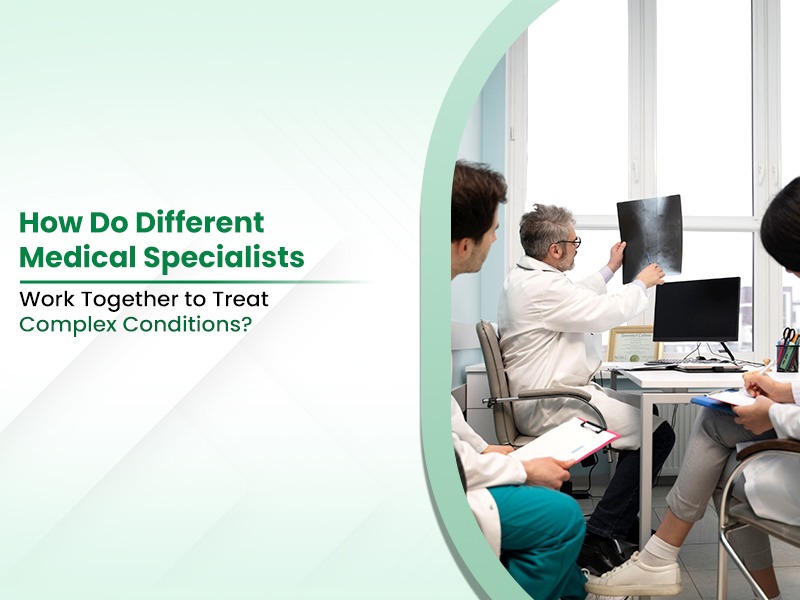
How Do Different Medical Specialists Work Together to Treat Complex Conditions?
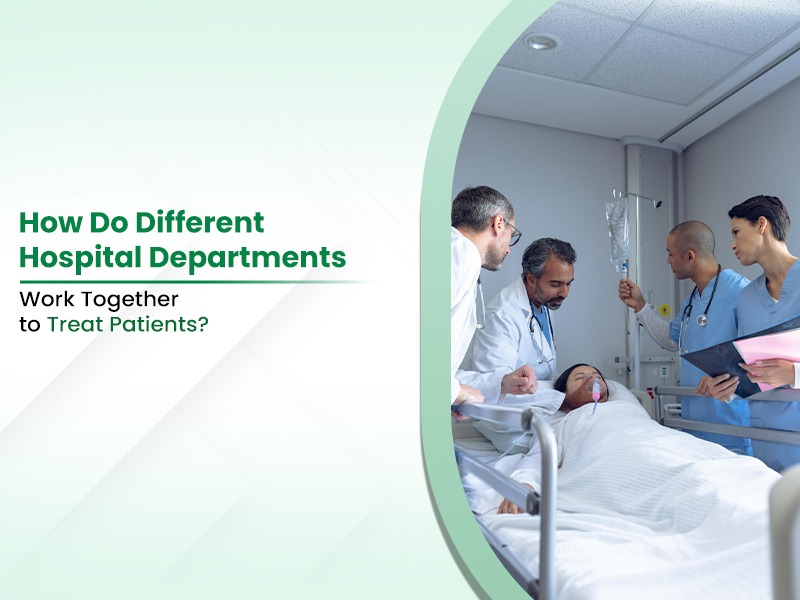
Facing a severe health issue can leave you feeling confused when multiple organs or systems are affected at once. When a diagnosis involves interconnected medical challenges, a single physician may not be enough. A coordinated team of experts brings together their knowledge to evaluate and treat every aspect of your health. This collaboration helps create a unified treatment plan tailored to your needs.
What Defines a Complex Medical Condition?
A complex medical condition affects multiple organ systems and may require care from several health professionals. Examples include severe multiple traumas, advanced cancer, metabolic disorders involving heart disease, and neurological conditions affecting movement and breathing. Receiving care at a facility recognised as the Best Emergency Hospital in Greater Noida can help patients access coordinated emergency care when needed. These conditions require doctors to consider how a problem in one organ can affect another.
The Concept of Multidisciplinary Healthcare Collaboration
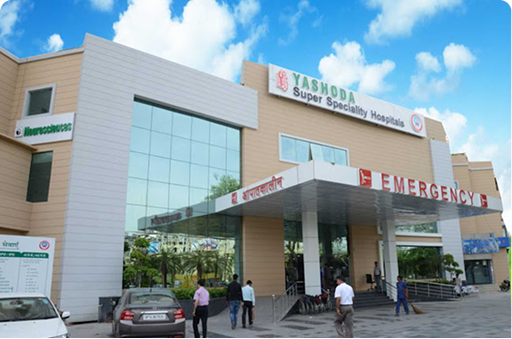
Multidisciplinary care brings together doctors, surgeons, radiologists, pathologists, and rehabilitation experts to manage a patient's treatment plan collectively. Instead of visiting different clinics separately, patients at Yashoda Medicity can benefit from a coordinated approach in which specialists share insights and discuss the appropriate course of action.
Some major advantages of coordinated care include:
- Accurate Diagnosis: Different doctors review reports, images, and test results to support diagnosis and clarify uncertainties.
- Balanced Treatment: Doctors coordinate treatment and medications to manage interactions and consider the effects on other organs.
- Clinical Decisions: Effective communication helps healthcare professionals make timely decisions in complex clinical situations.
How Specialized Teams Work Together in Action
To understand collaborative care, consider how different departments coordinate during critical medical situations. Experts from various fields review complex diagnoses before treatment begins. Receiving care at a facility such as the Best Emergency Hospital in Noida can help specialists communicate and adjust care plans as a patient's condition changes. This teamwork supports organised, coordinated treatment.
Joint Case Conferences and Tumour Boards
In complex cases, such as cancer or intricate brain disorders, specialists meet in formal discussions called case conferences or tumour boards. Oncologists, surgeons, radiologists, and pathologists review diagnostic findings together to plan the appropriate sequence of chemotherapy, radiation therapy, or surgery.
These meetings help specialists agree on a coordinated care strategy before treatment begins. Team-based discussions can support treatment planning and help manage potential risks.
Seamless Critical and Emergency Response
In severe trauma cases or sudden organ failure, time is critical. Emergency physicians work alongside trauma surgeons, cardiologists, and neurosurgeons from the time of admission. Access to the best emergency hospital in Noida can support timely collaboration between emergency and critical care specialists to stabilise patients and manage life-threatening complications.
Rapid Transition to Emergency Support
When a patient's condition deteriorates unexpectedly, swift coordination between outpatient services and emergency care is essential. Emergency care facilities such as the Best Emergency Hospital in Greater Noida provide round-the-clock emergency services, with intensive care specialists, cardiac experts and life-support teams working together when required.
The Role of Technology in Facilitating Medical Teamwork
Modern healthcare technology helps connect medical specialists through:
- Centralised Electronic Health Records: Specialists can access updated patient records, laboratory results, and medication histories, helping reduce the risk of errors.
- Integrated Diagnostic Imaging: Departments can share MRI, CT, and PET scans for collaborative review.
- Shared Treatment Monitoring: Intensive care monitoring systems help clinical teams track vital signs and adjust treatment as needed.
Benefits of Collaborative Care for Patients and Families
A collaborative healthcare model can reduce the burden on patients and caregivers of managing multiple medical opinions independently.
- Clear and Consistent Communication: Families receive coordinated updates from the care team.
- Reduced Treatment Delays: In-house consultations can reduce the need for separate appointments at different clinics.
- Comprehensive Long-Term Recovery: Post-surgical care, physical therapy, and dietary guidance can be coordinated to support recovery.
Conclusion
Managing complex health conditions requires coordination among medical specialists, supported by appropriate technology. Consulting a multidisciplinary team for complex diseases in Delhi NCR can help patients receive coordinated evaluations and personalised treatment plans. At Yashoda Medicity, specialists across departments work together to provide comprehensive medical care. Contact the hospital to schedule a consultation.
FAQs
Q1. What is a multidisciplinary team for complex health conditions?
A multidisciplinary team brings together different medical specialists to plan and manage a patient's treatment collectively.
Q2. How do specialists prevent conflicting treatment decisions?
Doctors review diagnostic tests and medical records together to coordinate treatment and account for potential interactions.
Q3. What role do joint case conferences play in complex care?
Specialists review diagnostic findings and discuss treatment options before deciding on an appropriate care plan.
Q4. How does modern technology support collaborative hospital care?
Electronic health records help specialists access patient reports, test results, and medication histories to coordinate care.
Q5. Why is integrated emergency care critical for complex conditions?
Emergency teams collaborate to stabilise patients and manage life-threatening complications during severe trauma or sudden organ failure.