
 Call: +91 9266610101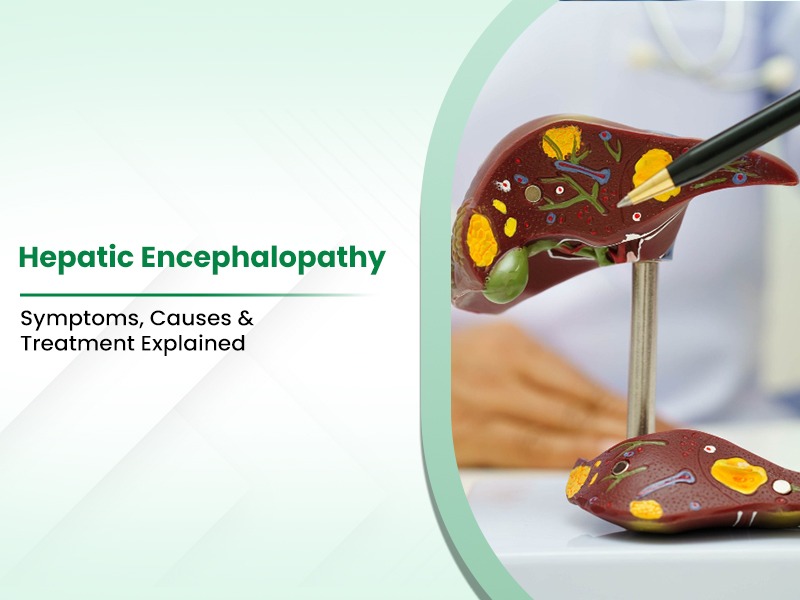
Hepatic Encephalopathy: Symptoms, Causes & Treatment Explained
The liver plays an important role in processing and removing potentially harmful substances from the bloodstream. When severe liver dysfunction reduces this capacity, substances such as ammonia can accumulate and contribute to changes in brain function, resulting in a neurological condition known as Hepatic Encephalopathy (HE). Prompt medical evaluation at the best gastroenterology hospital in Noida is important because HE can range from subtle changes in attention and sleep patterns to severe confusion and loss of consciousness. At Yashoda Medicity, our gastroenterology and hepatology teams provide evaluation and management based on the underlying liver condition and individual clinical requirements.
What is Hepatic Encephalopathy?
Hepatic encephalopathy is a disorder of brain function associated with advanced liver disease or, less commonly, acute liver failure. The liver normally helps metabolise substances produced during digestion and other metabolic processes. Ammonia is one of the substances that can accumulate when liver function is significantly impaired or when blood bypasses the liver through abnormal vascular pathways.
In chronic liver disease, changes in brain chemistry and neurotransmitter function can contribute to neurological and cognitive symptoms. Hepatic encephalopathy can vary considerably in severity and may be reversible when the underlying trigger is identified and appropriately treated.
Causes and Common Triggers
Hepatic encephalopathy most commonly occurs in people with advanced chronic liver disease, particularly cirrhosis. Acute liver failure can also cause encephalopathy. While consultation at the best gastroenterology hospital in Delhi can support evaluation and management of chronic liver conditions, people with established liver disease may develop an episode of HE following a precipitating factor.
Common triggers include:
- Gastrointestinal Bleeding: Digested blood increases the nitrogen load reaching the intestine and can contribute to increased ammonia production.
- Infections: Conditions such as spontaneous bacterial peritonitis, urinary tract infections, or pneumonia can precipitate an episode.
- Dehydration and Electrolyte Imbalance: Vomiting, diarrhea, excessive diuretic use, or inadequate fluid intake can contribute to HE.
- Constipation: Reduced bowel movements may increase intestinal exposure to ammonia-producing substances.
- Medications: Sedatives, opioids, and other medicines that affect brain function may worsen encephalopathy in susceptible patients.
- Kidney Dysfunction: Reduced kidney function can contribute to accumulation of nitrogenous waste and metabolic disturbances.
Recognising the Symptoms
The symptoms of hepatic encephalopathy vary from mild cognitive changes to severe neurological impairment. Clinical grading systems may be used by doctors to assess the severity of the condition. Seeking timely guidance at the Best Gastro and Liver Hospital in Noida is important, particularly when family members notice a change in behaviour or mental status.
Early Stages
Early symptoms may include:
- Confusion, forgetfulness, or reduced attention
- Changes in sleep patterns
- Personality or mood changes
- Difficulty with concentration or routine tasks
- Changes in handwriting or fine motor coordination
Advanced Stages
More severe hepatic encephalopathy may cause:
- Increasing confusion and disorientation
- Marked drowsiness or altered consciousness
- Slurred speech and slowed movements
- Asterixis, commonly known as a flapping tremor of the hands
- Reduced responsiveness
- Coma in severe cases
Severe confusion, reduced consciousness, or sudden changes in behaviour in a person with significant liver disease require urgent medical assessment.
Diagnosing Hepatic Encephalopathy
Hepatic encephalopathy is primarily a clinical diagnosis supported by the patient's medical history, examination, and investigations. Because similar symptoms can occur with infections, metabolic disturbances, medications, stroke, seizures, or other neurological conditions, appropriate evaluation is important.
At Yashoda Medicity, diagnostic assessment may include:
- Clinical Evaluation: Assessment of orientation, attention, memory, behaviour, neurological findings, and level of consciousness.
- Blood Tests: Liver function tests, kidney function, blood glucose, and electrolyte assessment. Ammonia levels may be measured in selected patients but are interpreted alongside the clinical picture.
- Brain Imaging: CT or MRI may be used when another neurological condition, such as stroke or intracranial bleeding, needs to be excluded.
- Additional Investigations: EEG or other tests may be considered when seizures or another neurological cause is suspected.
Treatment Options for Hepatic Encephalopathy
Treatment focuses on identifying and correcting the precipitating factor, reducing intestinal ammonia production and absorption, and managing the underlying liver disease.
1. Medical Management
- Lactulose: A non-absorbable disaccharide that acidifies the colon and promotes bowel movements, helping reduce intestinal ammonia absorption. The dose is adjusted to achieve an appropriate bowel movement frequency while avoiding excessive diarrhoea.
- Rifaximin: A minimally absorbed antibiotic that reduces the activity of ammonia-producing intestinal bacteria and may be used to reduce the risk of recurrent episodes in appropriate patients.
- Treatment of Triggers: Management may include treating infections, correcting dehydration and electrolyte disturbances, addressing gastrointestinal bleeding, relieving constipation, and reviewing medicines that may worsen mental status.
2. Nutritional and Lifestyle Guidance
Adequate nutrition is important for people with advanced liver disease. Routine severe protein restriction is generally avoided because inadequate protein intake can contribute to muscle loss. Doctors and dietitians may recommend an appropriate intake of protein and calories, with dietary planning based on the patient's nutritional status and liver condition.
3. Advanced Liver Care and Transplant Evaluation
Patients with recurrent or severe hepatic encephalopathy related to advanced liver disease may require specialist assessment for liver transplantation. Transplant evaluation considers overall liver function, complications of cirrhosis, general health, and other clinical factors. In selected patients with acute or advanced liver failure, transplantation may be considered as a definitive treatment option.
Why Choose Yashoda Medicity for Comprehensive Liver Care?
Managing hepatic encephalopathy requires coordinated care for both the neurological symptoms and the underlying liver condition. Choosing the best gastroenterology hospital in Ghaziabad involves considering access to experienced gastroenterologists and hepatologists, appropriate diagnostic facilities, emergency support, and multidisciplinary care.
At Yashoda Medicity, our gastroenterology and hepatology teams provide evaluation and management of liver diseases and their complications, supported by diagnostic, critical care, and multidisciplinary medical services. Treatment plans are developed according to the patient's diagnosis, clinical condition, and individual healthcare requirements.
Book a consultation with the gastroenterology and hepatology team at Yashoda Medicity through our online appointment system.
FAQs
Q1. What is Hepatic Encephalopathy, and where can I get expert treatment for it?
Hepatic encephalopathy is a disorder of brain function associated with severe liver dysfunction or acute liver failure. Yashoda Medicity provides gastroenterology and hepatology evaluation and management for patients with liver disease and its complications.
Q2. What causes toxins such as ammonia to accumulate?
Severe liver dysfunction can reduce the body's ability to process ammonia and other nitrogen-containing substances. Abnormal blood flow that bypasses the liver and reduced kidney function may also contribute.
Q3. What are the symptoms of Hepatic Encephalopathy?
Symptoms may include confusion, changes in sleep patterns, difficulty concentrating, personality changes, asterixis, drowsiness, and, in severe cases, reduced consciousness or coma.
Q4. How is Hepatic Encephalopathy treated?
Treatment focuses on identifying and managing the underlying trigger. Lactulose and rifaximin may be used in appropriate patients, alongside treatment of infections, gastrointestinal bleeding, constipation, dehydration, and electrolyte abnormalities.
Q5. When is liver transplantation considered?
Liver transplantation may be considered for selected patients with advanced or decompensated liver disease or acute liver failure, depending on the clinical assessment and transplant eligibility.