

 Call: +91 9266610101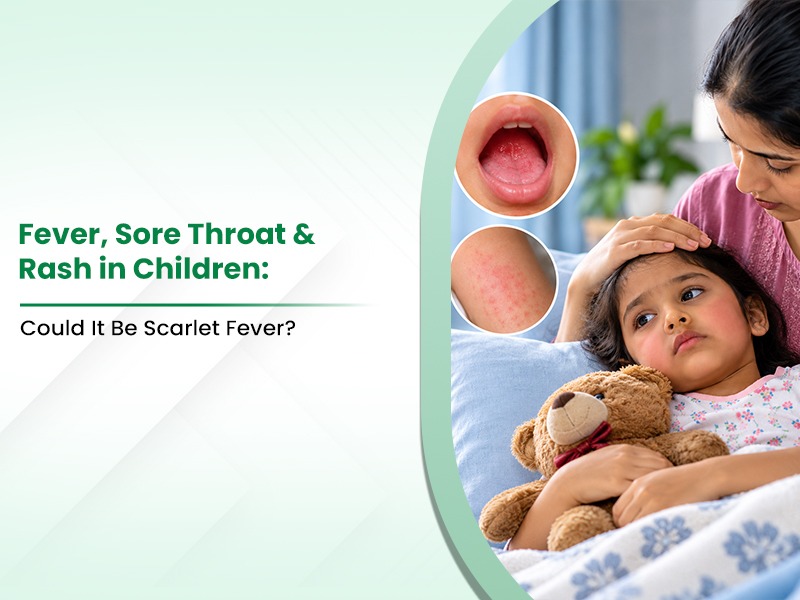
Fever, Sore Throat & Rash in Children: Could It Be Scarlet Fever?
When a child develops a sudden fever, sore throat, and unexplained rash, it can be concerning for parents. Recognising these symptoms and seeking timely medical evaluation can help determine whether the illness is scarlet fever or another childhood infection. Scarlet fever is a bacterial illness that can usually be treated effectively when diagnosed appropriately.
What Triggers Scarlet Fever?
Scarlet fever is caused by infection with group A Streptococcus (group A strep), the same type of bacteria that can cause strep throat. The bacteria can produce toxins that contribute to the characteristic rash associated with scarlet fever.
Consulting the best pediatric gastroenterologist in Ghaziabad may be appropriate when a child has persistent gastrointestinal symptoms alongside an infection, although scarlet fever itself is primarily a throat and systemic infection.
- Bacterial Infection Spread: Group A strep can spread through respiratory droplets and close contact with an infected person. It can also spread through contact with saliva or nasal secretions.
- Characteristic Rash: Toxins produced by some strains of group A strep can contribute to the widespread red, rough-textured rash associated with scarlet fever.
- Throat Inflammation: Children may develop a sore, red throat, swollen tonsils, and tender lymph nodes in the neck.
How Do Symptoms Appear?
Scarlet fever symptoms may develop relatively quickly, often beginning with a sore throat and fever. Common symptoms include:
- Distinct Sandpaper-Like Rash: The rash is typically red and rough to the touch and may begin around the neck, chest, or underarms before spreading to other areas of the body.
- Strawberry Tongue: The tongue may become red and swollen and can initially have a whitish coating.
- Fever and General Discomfort: Children may experience fever, headache, chills, tiredness, reduced appetite, and sometimes nausea or abdominal discomfort.
Families seeking evaluation for persistent or recurrent fever can consult a best child specialist for recurring fever in Delhi NCR. At Yashoda Medicity, paediatric teams at Yashoda Cradle and Children's Hospital provide clinical assessment and treatment for children with infectious and other medical conditions.
When Should You Seek Medical Care?
Parents should seek medical advice when a child develops a persistent fever accompanied by a sore throat and rash, particularly when scarlet fever is suspected. Medical attention is especially important if the child has difficulty swallowing, breathing difficulties, marked weakness, dehydration, or worsening symptoms.
A healthcare professional may examine the child's throat and consider a rapid antigen detection test, throat culture, or other appropriate testing for group A strep. The choice of testing depends on the child's age, symptoms, examination findings, and applicable clinical guidance.
When scarlet fever is confirmed, antibiotics prescribed by a healthcare professional can help treat the infection, reduce the duration of symptoms, and lower the risk of certain complications and transmission to others.
Can Scarlet Fever Cause Gastrointestinal Symptoms?
Some children with group A strep infections can experience nausea, vomiting, or abdominal pain, particularly alongside a sore throat and fever. These symptoms do not necessarily indicate a separate digestive disorder.
If gastrointestinal symptoms are persistent, severe, or continue after the infection has improved, a paediatric evaluation may be appropriate. A best pediatric gastroenterologist in Ghaziabad can assess ongoing digestive concerns when clinically indicated.
Which Prevention Tips Help?
Preventing the spread of the group A strep involves maintaining good hygiene and reducing close contact during active infection.
- Frequent Hand Washing: Encourage children to wash their hands regularly with soap and water, particularly after coughing, sneezing, or coming into contact with respiratory secretions.
- Avoid Sharing Personal Items: Children should avoid sharing drinking glasses, eating utensils, or other items that may come into contact with saliva during an infection.
- Cough and Sneeze Hygiene: Teach children to cover their mouth and nose with a tissue or their elbow when coughing or sneezing.
- Follow Treatment Advice: If antibiotics are prescribed for confirmed or suspected scarlet fever, complete the course according to the healthcare professional's instructions.
Conclusion
Fever, sore throat, and a rough, red rash can be signs of scarlet fever, but similar symptoms can occur with other childhood illnesses. Timely paediatric evaluation can help determine the underlying cause and whether testing or antibiotic treatment is appropriate.
Consulting a best child specialist for recurring fever in Delhi NCR can help parents understand persistent or recurrent fever and associated symptoms. At Yashoda Medicity, paediatric teams provide evaluation and treatment for childhood infections and related health concerns. Schedule a consultation through the Yashoda Medicity online appointment system.
FAQs
1. Why do children get scarlet fever?
Scarlet fever is caused by certain strains of group A Streptococcus bacteria. It commonly occurs alongside a streptococcal throat infection.
2. How can parents recognise the main symptoms of scarlet fever?
Common symptoms include fever, sore throat, swollen or tender neck lymph nodes, a red rough-textured rash, and a red or swollen tongue. Some children may also experience headache, nausea, vomiting, or abdominal discomfort.
3. When should a child with a fever and rash see a doctor?
Parents should seek medical advice when fever is accompanied by a sore throat and rash, particularly if symptoms are worsening. Urgent medical attention is appropriate for breathing difficulty, severe dehydration, marked drowsiness, or other serious symptoms.
4. Can throat infections cause stomach discomfort in children?
Yes. Group A strep infections can sometimes cause nausea, vomiting, or abdominal pain in children. Persistent or severe digestive symptoms may require further paediatric evaluation.
5. Can scarlet fever and other bacterial throat infections be prevented from spreading at home?
Good hand hygiene, cough and sneeze etiquette, avoiding shared eating or drinking utensils, and following medical treatment advice can help reduce the spread of infection.