
 Call: +91 9266610101
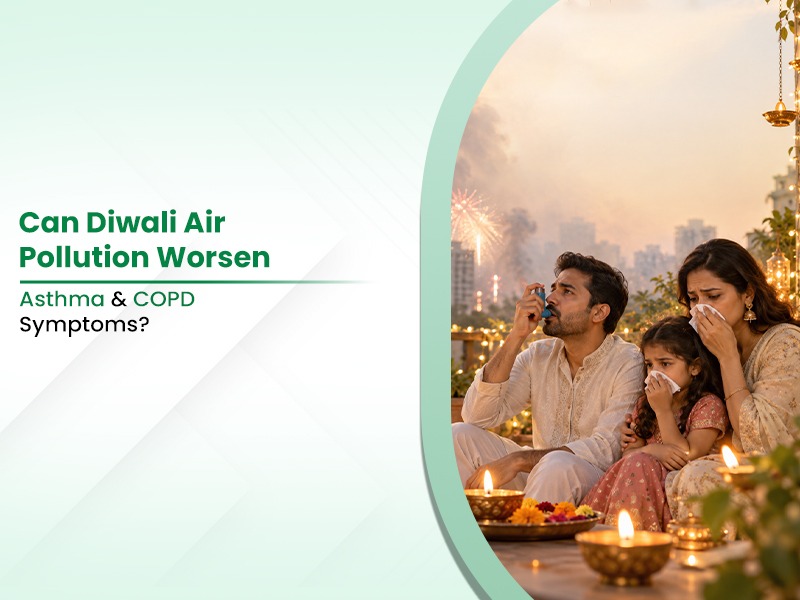
Can Diwali Air Pollution Worsen Asthma and COPD Symptoms?
As the festival of lights approaches, homes are decorated, sweets are prepared, and families gather to celebrate. However, for people living with chronic respiratory conditions such as asthma or Chronic Obstructive Pulmonary Disease (COPD), Diwali air pollution can worsen breathing difficulties. Firecracker smoke, fine particulate matter and seasonal weather changes can trigger respiratory flare-ups.
Understanding how Diwali pollution affects the airways is essential for protecting respiratory health. If you or a loved one experiences breathing difficulties during the festive season, consult a chest specialist in Indirapuram at Yashoda Medicity for timely evaluation and appropriate treatment.
Understanding Asthma and COPD
Asthma is a chronic condition in which the airways become inflamed and narrowed, leading to wheezing, coughing, chest tightness, and shortness of breath.
COPD is a progressive lung disease that includes chronic bronchitis and emphysema. It restricts airflow and may cause a persistent cough, excess mucus production, breathlessness, and fatigue.
Both conditions can be managed with appropriate medical care. However, firecracker smoke, chemical fumes, and heavy air pollution can worsen symptoms and trigger serious flare-ups.
How Diwali Pollution Triggers Asthma and COPD Symptoms
Air quality can deteriorate during the festive season due to firecracker emissions and other sources of pollution. Firecrackers release pollutants, including sulphur dioxide, nitrogen dioxide, and fine particulate matter (PM2.5 and PM10). These particles can penetrate deep into the lungs, irritating the airways and worsening respiratory symptoms.
- Airborne pollutants: Smoke, dust, and chemical emissions can cause breathlessness, throat irritation, and persistent coughing.
- Airway irritation: Firecracker emissions can irritate the respiratory tract and aggravate asthma symptoms.
- Cool and dry air: Seasonal weather changes may trigger airway narrowing in some people with asthma or COPD.
- Indoor smoke accumulation: Diyas, candles, and incense sticks can add to indoor air pollution, particularly in poorly ventilated spaces.
If you need specialised respiratory care, consulting a pulmonologist in Vasundhara or visiting Yashoda Medicity can help you manage symptoms and prepare for high-pollution days.
Warning Symptoms to Watch For During Diwali
If you or a family member has asthma or COPD, monitor symptoms closely during the celebrations. Watch for:
- Increasing difficulty in breathing or sudden shortness of breath
- Chest tightness or discomfort
- Persistent wheezing
- Continuous dry or mucus-producing cough, especially at night
- Unusual fatigue, dizziness, or lightheadedness
If symptoms persist or do not improve with your prescribed rescue inhaler, seek medical advice promptly. Severe breathing difficulty requires emergency care.
Essential Steps to Protect Your Lungs During the Festival
You can reduce exposure to air pollution during Diwali by following these precautions.
- Avoid firecracker smoke: Stay away from areas where fireworks are being burst. Consider celebrations with decorative lights and other smoke-free alternatives.
- Keep prescribed inhalers accessible: Carry your prescribed rescue inhaler and maintenance medicines. Use them as directed by your doctor.
- Stay indoors during heavy pollution: Keep windows and doors closed when outdoor air quality is poor, and limit outdoor activity during periods of heavy smoke.
- Use HEPA air purifiers: Air purifiers with HEPA filters can help reduce airborne particles indoors.
- Maintain hydration and balanced nutrition: Drink enough water and eat a balanced diet with fruits and vegetables to support general health.
- Minimise indoor pollutants: Limit incense sticks, scented candles, and camphor if they trigger coughing or throat irritation.
- Practise breathing exercises: Pursed-lip or diaphragmatic breathing may help some people with COPD when practised under appropriate medical guidance.
When to Seek Immediate Medical Help at Yashoda Medicity
Despite precautions, heavy pollution can trigger severe asthma or COPD flare-ups. Seek emergency medical attention if you experience:
- Severe or worsening shortness of breath
- Severe chest pain or tightness
- Difficulty speaking in full sentences because of breathlessness
- Bluish discolouration around the lips or fingertips
- Breathing difficulty that does not improve with prescribed rescue medication
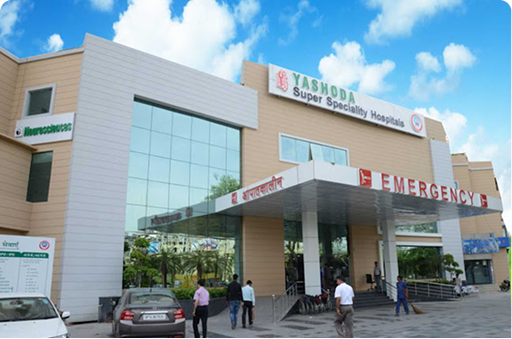
Yashoda Medicity provides emergency and critical care services for patients requiring urgent medical assessment. The appropriate treatment depends on the patient's condition and clinical needs.
Celebrating Diwali Safely and Responsibly
Managing asthma and COPD during Diwali requires preparation, reduced smoke exposure, and adherence to prescribed treatment. By limiting exposure to pollutants, keeping prescribed medicines accessible and monitoring symptoms, people with respiratory conditions can reduce their risk of flare-ups.
For respiratory evaluation and personalised medical advice, consult a chest specialist in Indirapuram at Yashoda Medicity or a pulmonologist in Vasundhara for guidance on managing asthma, COPD, and other respiratory conditions.