
 Call: +91 9266610101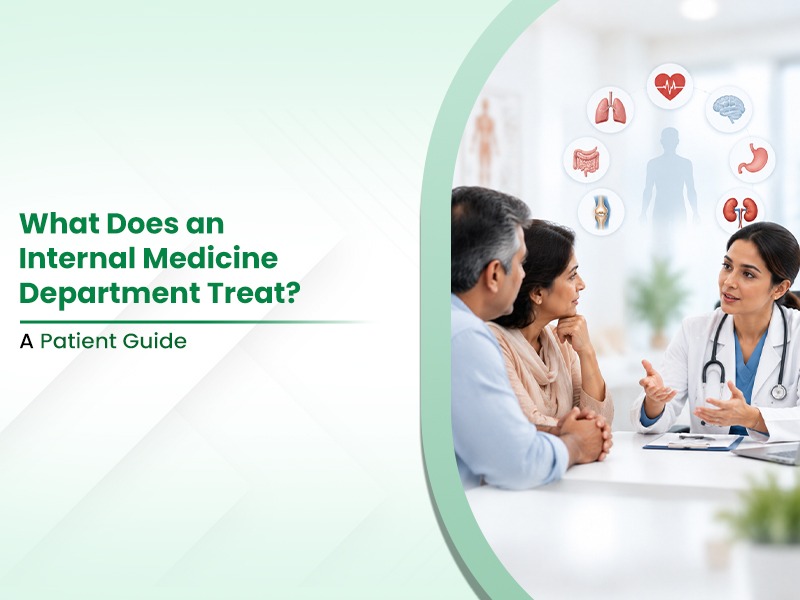
What Does an Internal Medicine Department Treat? A Patient Guide
Feeling constant exhaustion, unexplained body pains, changes in blood glucose levels, and sudden fever can leave many people unsure about which doctor to consult initially. While some illnesses require specialised attention, adult health conditions can be complex, affect multiple systems, or present with symptoms that are not clearly identifiable at first. In such instances, internal medicine can be considered a foundation of adult healthcare. Physicians who practise internal medicine, also known as internists, diagnose and manage a wide range of acute and chronic adult diseases through non-surgical care. Knowing the conditions treated in this field can help patients make informed healthcare decisions.
Understanding the Internal Medicine Discipline
Internal medicine involves approaching the health of an adult as a whole, unlike specialties that focus primarily on individual organ systems. An internist is trained to understand how different physiological systems interact, assess ambiguous symptoms, interpret complex laboratory findings, and develop appropriate treatment plans. The internist can act as a primary care provider and medical coordinator in multidisciplinary settings, working with specialties such as cardiology, endocrinology, nephrology, and gastroenterology.
At our facility, our clinical operations are led by Dr. Vijay Arora, Principal Director & Head of the Department of Internal Medicine, alongside Dr. Vinay Bhat, Associate Director of Internal Medicine, and Dr. Saurabh Gupta, Associate Director, Internal Medicine. Consulting the best internal medicine doctor in Ghaziabad can help patients receive coordinated medical care while reducing the risk of conflicting prescriptions or unnecessary diagnostic testing.
Beyond immediate symptom relief, internal medicine focuses on disease prevention, health maintenance, and patient education. At Yashoda Medicity, our team of experienced internists helps adult patients make informed lifestyle choices, undergo regular health check-ups, and receive appropriate diagnostic evaluations.
Managing Chronic Metabolic Disorders
Metabolic diseases associated with lifestyle and other underlying factors are commonly managed by internal medicine specialists. Long-term management requires regular assessment, medication adjustments, and lifestyle modifications to help reduce the risk of complications:
- Diabetes Mellitus: Management of Type 1 and Type 2 diabetes and prediabetes involves monitoring blood glucose, appropriate medication or insulin therapy, and regular assessment for diabetes-related complications.
- Management of Hypertension: Long-term hypertension management includes personalised drug therapy, dietary and lifestyle modifications, and regular monitoring to reduce the risk of cardiovascular and stroke-related complications.
- Lipid and Cholesterol Disorders: Internal medicine practitioners assess cardiovascular risk and provide appropriate medication and dietary recommendations to help manage cholesterol levels.
- Thyroid and Endocrine Disorders: Conditions such as hypothyroidism and hyperthyroidism are managed through appropriate evaluation, treatment, and dosage adjustments when required.
Managing these metabolic conditions requires consistent follow-up and appropriate laboratory monitoring under the supervision of the best internal medicine doctor in Delhi NCR. Maintaining healthy blood sugar, blood pressure, and cholesterol levels can help reduce the risk of long-term complications.
Treating Acute Infectious Illnesses
Internal medicine departments manage a range of seasonal, viral, bacterial, and other infections. Timely clinical assessment can help identify the likely cause of infection and determine appropriate treatment:
- Vector-Borne Diseases: Management of dengue fever, malaria, and chikungunya may involve monitoring fluid balance, blood counts, and symptoms, along with supportive treatment as required.
- Bacterial and Enteric Infections: Appropriate antimicrobial treatment, adequate hydration, and monitoring can be part of the management of conditions such as typhoid, gastroenteritis, and urinary tract infections.
- Viral Respiratory Infections: Assessment of symptoms, oxygen saturation monitoring when required, supportive treatment, and specific antiviral therapy in selected cases may be used for conditions such as influenza and viral respiratory infections.
- Systemic and Complicated Fevers: Comprehensive evaluation, including blood tests and cultures when indicated, can help assess fever of unknown origin and complicated infections such as tuberculosis.
Infectious diseases should be managed appropriately to reduce the risk of complications and support the rational use of antibiotics and antiviral medications.
Addressing Respiratory and Digestive Issues
Non-surgical management of common respiratory and gastrointestinal conditions remains an important part of internal medicine. At Yashoda Medicity, our team of internists evaluates respiratory and gastrointestinal complaints, provides appropriate treatment, and coordinates with sub-specialists when further evaluation or procedures are required.
- Chronic Respiratory Ailments: Long-term management of bronchial asthma, allergic rhinitis, and chronic obstructive pulmonary disease (COPD) focuses on symptom control and reducing flare-ups.
- Gastrointestinal and Liver Disorders: Conditions such as acid reflux, gastritis, irritable bowel syndrome, fatty liver, and mild liver dysfunction may be evaluated and managed as appropriate.
- Nutritional Deficiency Syndromes: Diagnosis and treatment of Vitamin D deficiency, Vitamin B12 deficiency, and iron-deficiency anaemia can help address associated weakness and fatigue.
Evaluating Unexplained General Symptoms
Patients frequently experience vague or overlapping symptoms that do not clearly point to a single organ system. Internists conduct a systematic evaluation to identify possible underlying causes:
- Chronic Fatigue and Weakness: Blood tests and metabolic assessments may help identify nutritional deficiencies, endocrine disorders, infections, or other underlying conditions.
- Recurrent Headaches and Body Aches: Detailed clinical assessment can help distinguish common causes such as tension headaches and migraines from other conditions that may require specialist evaluation.
- Multi-System Autoimmune Conditions: Evaluation of persistent inflammatory symptoms may help identify autoimmune or inflammatory disorders and support timely referral to rheumatology when required.
Prioritising Preventive Health Screenings
Preventive medicine is an integral part of internal medicine. Instead of focusing only on treating existing diseases, internists emphasise preventive screenings, adult immunisations, and individual risk assessments. Routine medical examinations can help identify metabolic and other health concerns at an early stage. Developing an ongoing relationship with a physician can support regular monitoring and preventive care.
Consulting qualified specialists at the best internal medicine department in Delhi NCR can provide individuals with thorough health assessments, early disease detection, and coordinated long-term medical care. When managing chronic illness or seeking comprehensive health check-ups, finding the best internal medicine doctor in Delhi NCR provides access to evidence-based medical treatment tailored to individual needs.
Comprehensive Internal Medicine Care
Choosing an established healthcare institution provides access to diagnostic infrastructure, intensive care support, and multidisciplinary expertise. Consulting the best internal medicine doctor in Noida provides personalised clinical evaluations, early disease detection, and structured treatment plans for complex health conditions. At Yashoda Medicity, experienced specialists provide comprehensive medical care supported by modern medical infrastructure and multidisciplinary expertise.
Proactive consultation and regular health monitoring can support better long-term health management and help address medical concerns at an appropriate stage.
Also Read: General Medicine and Preventive Health: What Patients Should Know from Dr. Vinay Bhat
FAQs
1. What illnesses does the internal medicine department of Yashoda Medicity treat?
The department manages a wide range of conditions, including chronic metabolic diseases, acute infections, respiratory and digestive problems, nutritional deficiencies, and unexplained adult health symptoms.
2. When is it necessary to see an internal medicine specialist at Yashoda Medicity?
You can consult an internal medicine specialist for conditions such as diabetes, hypertension, thyroid disorders, persistent unexplained symptoms, infections, or preventive health check-ups.
3. How does Yashoda Medicity treat patients suffering from fever or infections?
The medical team evaluates the patient's symptoms and may recommend blood tests, imaging, cultures, or other investigations when clinically indicated before deciding on appropriate medication and supportive treatment.
4. Why is preventive health screening important at Yashoda Medicity?
Preventive health screening can help identify certain metabolic, cardiovascular, and other health concerns at an early stage, allowing appropriate medical advice and follow-up.
5. Who heads the internal medicine department at Yashoda Medicity?
The Department of Internal Medicine is led by Dr. Vijay Arora, Principal Director & Head, alongside Dr. Vinay Bhat, Associate Director, and Dr. Saurabh Gupta, Associate Director.