
 Call: +91 9266610101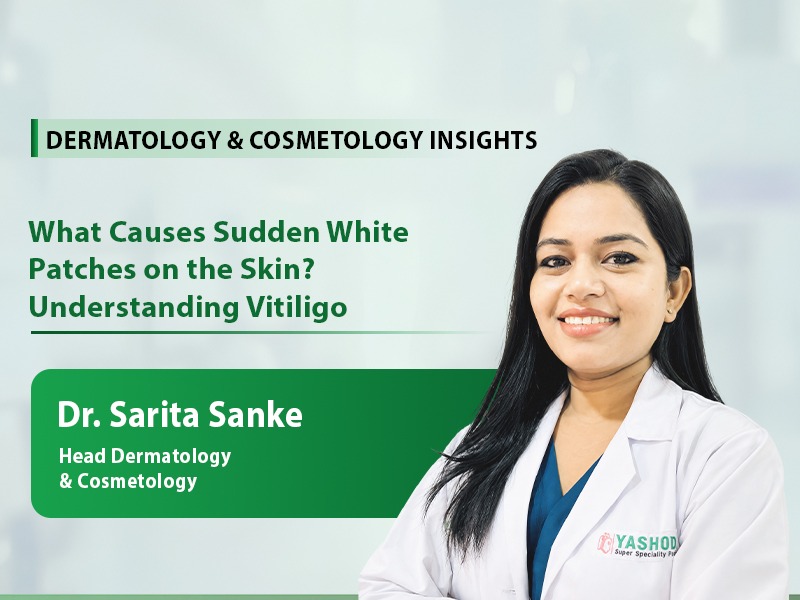
What Causes Sudden White Patches on the Skin? Understanding Vitiligo
Have you noticed lighter or white patches appearing on your body, hands, or face? Changes in skin colour can be concerning, but identifying the underlying cause is the first step towards appropriate treatment. One possible cause is vitiligo, a chronic skin condition in which areas of the skin lose their pigment.
In vitiligo, affected areas may become lighter than the surrounding skin or turn completely white. These areas can vary in size and may appear on different parts of the body. If vitiligo affects areas where hair grows, the hair in those areas may also become white or grey.
What Causes Vitiligo?
According to a dermatologist in Delhi NCR, vitiligo occurs when the body's immune system mistakenly targets melanocytes, the specialised cells responsible for producing melanin, the pigment that gives skin, hair, and eyes their colour.
Several factors may contribute to the development and progression of vitiligo:
- Autoimmune Response: The immune system mistakenly targets melanocytes, resulting in loss of pigmentation.
- Genetic Factors: Vitiligo can occur more frequently in individuals with a family history of the condition, although having a family history does not mean a person will necessarily develop it.
- Environmental and Physical Triggers: Skin injuries, sunburn, and certain forms of physical or emotional stress may contribute to the onset or progression of vitiligo in some individuals.
- Co-existing Conditions: Vitiligo may occur alongside other autoimmune conditions, including thyroid disorders and Type 1 diabetes.
Types and Progression of Vitiligo
Vitiligo can affect different areas of the body and may vary in its pattern and extent. Common clinical patterns include:
- Generalised Vitiligo: The most common form, characterised by depigmented patches appearing on both sides of the body.
- Segmental Vitiligo: Typically affects one side or a specific segment of the body and may stabilise after an initial period of progression.
- Focal Vitiligo: Depigmented patches remain limited to a small area and do not fit the pattern of generalised or segmental vitiligo.
- Mucosal Vitiligo: Primarily affects mucous membranes, such as the lips and areas around the mouth or genitals.
- Universal Vitiligo: A rare and extensive form in which depigmentation affects most of the body's skin.
The appearance and progression of vitiligo can vary considerably from person to person. A dermatologist can assess the pattern of pigmentation loss and determine the appropriate treatment approach.
Take Control of Your Skin Health Today
Vitiligo is non-contagious and generally painless, but areas lacking melanin are more vulnerable to sunburn and sun damage. Visible changes in pigmentation can also affect self-esteem, emotional well-being, and social interactions.
Although there is no guaranteed treatment that works for everyone, several acne, pigmentation & clinical dermatology specialists suggest options depending on the type, extent, duration, and activity.
Advanced Clinical Treatments
- Topical Prescription Therapies: Treatments such as corticosteroids, calcineurin inhibitors, and topical JAK inhibitors, including ruxolitinib where appropriate, may help reduce inflammation and promote repigmentation.
- Medical Phototherapy: Narrowband UVB phototherapy and targeted light-based treatments can stimulate repigmentation in suitable patients.
- Surgical Options: For selected patients with stable, localised vitiligo, procedures such as skin grafting or cellular grafting techniques may be considered.
- Comprehensive Care: Treatment may also include appropriate sun protection, camouflage options, and psychological support when required.
Book Your Consultation at Yashoda Super Speciality Hospitals
If you notice new or spreading white patches, consult an experienced dermatologist for an accurate diagnosis and appropriate treatment plan. Dr. Sarita Sanke provides dermatological care for a range of skin, hair, nail, and aesthetic concerns at Yashoda Super Speciality Hospitals.
Depending on the clinical presentation, dermatological assessment may include a Wood's lamp examination and other evaluations to distinguish vitiligo from other causes of skin depigmentation. As a Hair, Nail & Aesthetic Dermatology Specialist, Dr. Sarita Sanke provides personalised care based on each patient's condition and treatment needs.
FAQs
1. What is the main cause of sudden white patches on the skin?
Vitiligo is commonly associated with an autoimmune response in which the immune system targets melanocytes, the cells responsible for producing skin pigment. However, not all white patches are caused by vitiligo, so a dermatologist should evaluate new areas of depigmentation.
2. Is vitiligo contagious or spreadable through touch?
No. Vitiligo is non-contagious and cannot spread through physical contact, sharing personal items, or touching an affected person.
3. Can vitiligo white patches be cured or repigmented?
There is currently no guaranteed cure for vitiligo, but treatments such as topical therapies, phototherapy, and selected surgical procedures can help restore pigmentation in appropriate patients. Treatment outcomes vary depending on the individual and the type and extent of vitiligo.
4. Why does hair turn white in areas affected by vitiligo?
Hair can become white or grey in areas affected by vitiligo when melanocytes in the hair follicles are also affected, resulting in loss of pigment.
5. When should I consult a Dermatologist in Delhi NCR for white patches?
You should consult a dermatologist when you notice new, changing, or spreading white patches. Early evaluation can help determine whether the patches are due to vitiligo or another skin condition and guide appropriate treatment.