
 Call: +91 9266610101

World Radiography Day: How Medical Imaging Helps Detect Diseases Early
Imagine being able to look deep inside the human body without making a single surgical incision, catching subtle abnormalities before they ever turn into severe health crises. World Radiography Day celebrates the incredible technological advancements in diagnostic imaging that empower physicians to uncover hidden illnesses early. Many people overlook the quiet power of routine imaging until an unexpected symptom strikes, missing critical opportunities for timely intervention. Early diagnostic scans transform complex medical uncertainties into clear, actionable treatment pathways that preserve long-term health, vitality, and quality of life.
Understanding World Radiography Day
World Radiography Day is an annual global health initiative observed to raise public awareness about the vital role diagnostic imaging plays in modern healthcare. This dedicated day honours medical imaging professionals and highlights how advanced radiologic technology improves patient outcomes, ensures safety, and drives early disease detection across every branch of medicine.
Key objectives of this global observance include:
- Promoting Advanced Diagnostic Awareness: Educating individuals about the life-saving benefits of non-invasive diagnostic scans in identifying internal health issues.
- Honouring Radiologic Healthcare Professionals: Recognising the tireless dedication of radiographers, radiologists, and imaging technicians who ensure precise diagnostic reporting.
- Encouraging Early Clinical Screenings: Highlighting how routine screening imaging reduces disease severity by catching tissue shifts in their initial phases.
- Advocating Patient Imaging Safety: Emphasising modern low-dose radiation techniques and rigorous safety protocols designed to protect patient health.
Participating in World Radiography Day initiatives helps communities appreciate the powerful science behind modern diagnostic imaging and its role in proactive wellness.
Exploring Main Medical Imaging Types
Modern diagnostic radiology incorporates a diverse array of imaging modalities, each offering unique physical insights into internal anatomical structures and physiological functions. When urgent symptoms arise, consulting specialists at the Best Emergency Hospital in Greater Noida helps medical teams select specific diagnostic techniques depending on the targeted organ system, symptom profile, and clinical evaluation goals.
Primary types of medical imaging include:
- Digital Radiography and X-Rays: Utilising low-energy radiation beams to produce clear, rapid structural images of dense skeletal bones and chest cavities.
- Computed Tomography Scans: Combining specialised rotating equipment with computer processing to generate detailed, cross-sectional views of soft tissues and internal organs.
- Magnetic Resonance Imaging: Employing powerful magnetic fields and radio waves to capture intricate, high-contrast images of brain tissue, nerves, and joints.
- Diagnostic Ultrasound Imaging: Using high-frequency sound waves to capture real-time moving images of soft tissues, pelvic organs, and blood vessels safely.
- Specialised Nuclear Medicine Scans: Administering safe tracer elements to trace metabolic cellular activity and assess organ functional health dynamically.
Understanding these distinct diagnostic tools helps patients feel confident and prepared when their physician recommends a specific radiological examination.
Detecting Illnesses Through Medical Imaging
The true power of diagnostic radiology lies in its unparalleled ability to reveal physiological abnormalities long before physical symptoms manifest outwardly. Early detection through imaging allows physicians to initiate targeted, conservative therapies that prevent progressive organ damage and improve long-term prognosis.
Major conditions routinely detected early through imaging include:
- Early-Stage Cardiovascular Changes: Identifying arterial plaque buildup, heart muscle enlargement, and structural vascular flaws before acute cardiac events occur.
- Oncology and Tumour Detection: Uncovering tiny, localised tissue masses and abnormal cell clusters when surgical removal or targeted therapy is most effective.
- Orthopedic and Joint Wear: Detecting subtle bone hairline fractures, cartilage thinning, and spinal disc shifts before chronic joint pain severely restricts mobility.
- Neurological and Brain Disorders: Identifying subtle vascular blockages, structural tissue changes, and nerve entrapments before permanent neurological deficits develop.
- Abdominal and Visceral Pathology: Spotting early gallstones, kidney blockages, fatty liver changes, and deep tissue inflammation during routine health evaluations.
Relying on precise diagnostic scans ensures that treatment plans are built on objective clinical evidence, resulting in faster and more successful patient recoveries.
Navigating Emergency Radiological Interventions
During acute health crises, every single second counts towards preserving vital organ function and protecting human life. Modern emergency radiology provides trauma specialists with instant, crystal-clear imaging assessments that guide life-saving surgical and medical decisions during critical moments.
Critical emergency applications of advanced radiology include:
- Rapid Acute Trauma Mapping: Scanning complex internal injuries, bone dislocations, and internal bleeding sites immediately upon hospital admission.
- Stroke and Vascular Evaluations: Assessing brain blood flow obstruction rapidly to determine whether clot-dissolving therapies can prevent permanent paralysis.
- Emergency Abdominal Pain Diagnostic: Identifying acute appendicitis, bowel blockages, and organ ruptures quickly to prevent widespread internal infection.
- Immediate Pulmonary Embolism Detection: Locating sudden blood clots inside pulmonary arteries to restore oxygenation and stabilise cardiac rhythm.
Accessing rapid diagnostic scans at the Best Emergency Hospital in Noida ensures critical patients receive immediate, life-saving radiological care during urgent medical situations.
Choosing Advanced Imaging Centers
Selecting a healthcare facility equipped with advanced radiological technology and experienced clinical specialists is essential for receiving accurate diagnostic reports. Precision in imaging depends not only on advanced equipment but also on the analytical expertise of dedicated radiologists.
Key factors to consider when choosing a diagnostic centre include:
- Advanced Technology Integration: Selecting facilities equipped with high-resolution digital imaging systems that deliver maximum clinical clarity with minimal exposure.
- Experienced Subspecialty Radiologists: Ensuring diagnostic images are interpreted by board-certified specialists with extensive expertise in specific body systems.
- Comprehensive Diagnostic Integration: Choosing centres that offer seamless coordination between radiology teams, emergency physicians, and subspecialties at the best hospital in Ghaziabad.
- Comfortable Patient-Centred Environments: Prioritising facilities that provide spacious, quiet, and reassuring environments designed to minimise patient anxiety during scans.
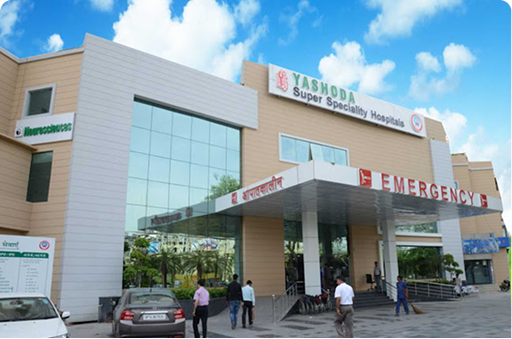
At Yashoda Medicity, we combine advanced diagnostic technology with compassionate care to deliver rapid, ultra-precise radiological evaluations for every patient. Our dedicated diagnostic department at Yashoda Medicity empowers individuals with clear health insights, supporting proactive wellness and early disease recovery.
Preparing for Medical Imaging Tests
Preparing properly for a diagnostic scan ensures optimal image clarity, prevents unexpected delays, and minimises patient stress during the procedure. Following your clinical team's instructions carefully allows radiologists to capture precise anatomical views efficiently.
Essential preparation guidelines for imaging procedures include:
- Following Specific Dietary Instructions: Adhering strictly to fasting guidelines or fluid intake instructions provided for abdominal or pelvic imaging scans.
- Removing Metallic Accessories: Removing jewellery, watches, clothing with metal fasteners, and hair clips before entering magnetic or diagnostic radiation suites.
- Communicating Medical Conditions: Informing imaging technologists about existing pregnancies, kidney health history, implanted medical devices, or severe claustrophobia.
- Wearing Comfortable Loose Clothing: Choosing simple, loose-fitting attire that allows easy positioning on diagnostic examination tables during your scan.
- Arriving Early for Administration: Reaching the diagnostic facility early to complete necessary health questionnaires and discuss any procedural questions calmly.
Adopting these simple preparation steps guarantees a smooth, efficient imaging experience while supporting the highest standards of diagnostic accuracy.
Conclusion
Understanding how diagnostic radiology detects hidden diseases early is essential for protecting your long-term health on World Radiography Day. Accessing accurate diagnostic imaging at the best hospital in Ghaziabad ensures timely medical evaluation and personalised treatment planning. We at Yashoda Medicity are deeply dedicated to providing advanced radiological services and compassionate care to support your recovery journey. Take charge of your physical well-being today by scheduling a comprehensive health assessment with our imaging specialists. Book your consultation at Yashoda Medicity today!