
 Call: +91 9266610101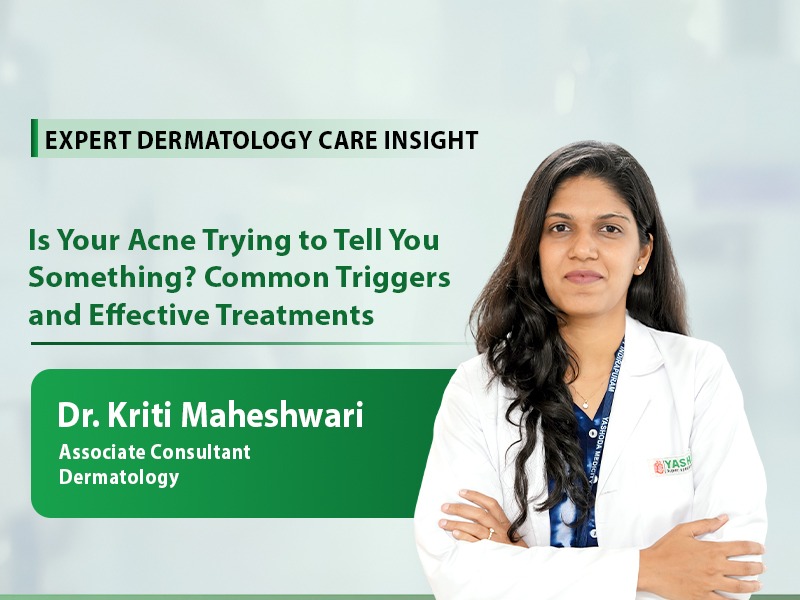
Is Your Acne Trying to Tell You Something? Common Triggers and Effective Treatments
Breakouts often show up at the worst possible moments, but persistent acne can have several contributing factors, ranging from hormonal changes and genetics to skincare products, medications, and environmental influences.
Acne is a common skin condition that affects people of different ages. From painful nodules and deep cysts to stubborn whiteheads and blackheads, persistent breakouts can affect self-esteem and confidence. Since every person's skin and acne triggers are different, there is no single treatment that works for everyone.
Fortunately, advances in clinical dermatology offer a broad range of prescription therapies and targeted topical treatments to effectively manage acne. At its core, acne develops when hair follicles become clogged with dead skin cells and excess sebum (oil), often accompanied by inflammation and changes in the skin microbiome.
This is why treating acne involves more than simply washing your face. Identifying the type and severity of acne, along with the factors that may be contributing to it, helps determine the most appropriate treatment approach. At Yashoda Medicity, patients can receive personalised dermatological evaluation and treatment for acne and related skin concerns. Consulting an experienced dermatologist in Delhi NCR can help with accurate diagnosis and avoid unnecessary trial-and-error with skincare products.
Key Acne Triggers and Clinical Solutions
Since acne can develop due to a combination of factors, understanding what may be contributing to your breakouts is an important first step toward choosing the right treatment.
Hormonal Fluctuations: Changes in androgen activity can stimulate the sebaceous glands to produce more sebum, contributing to clogged pores and acne. Although hormonal changes are particularly common during puberty, acne can persist into adulthood and may fluctuate with menstrual cycles in some women.
Targeted Care: The appropriate treatment depends on the patient's age, sex, medical history, and severity of acne. Dermatologists may recommend prescription treatments such as topical retinoids, hormonal therapies, oral antibiotics, or isotretinoin. In some women with hormonally influenced acne, medications such as spironolactone or certain oral contraceptives may be considered under medical supervision.
Hormonal changes are not the only factor that can influence acne. For some people, periods of increased stress may also coincide with sudden or recurring flare-ups.
Elevated Stress Levels: Stress may contribute to acne flare-ups in some people by influencing hormonal and inflammatory pathways. Periods of increased stress may therefore coincide with worsening acne.
Targeted Care: Topical treatments such as Benzoyl Peroxide and Salicylic Acid can help manage acne by reducing acne-causing bacteria, inflammation, and clogged pores. Alongside appropriate treatment, regular exercise, adequate sleep, and stress-management practices can support overall skin health.
In addition to hormonal and lifestyle factors, what comes into contact with your skin can also play a role. Certain skincare, cosmetic, and hair products may contribute to clogged pores, particularly in people with acne-prone skin.
External Factors and Product Usage: Certain cosmetics, skincare products, and hair products can contribute to clogged pores in acne-prone individuals. Frequent touching or picking of the skin may also worsen inflammation and increase the risk of marks and scarring. Some dietary factors, particularly high-glycemic foods, may contribute to acne in certain individuals.
Targeted Care: A simple skincare routine can help minimise irritation and clogged pores. This may include a gentle, fragrance-free cleanser, a lightweight non-comedogenic moisturiser, and broad-spectrum SPF. Dietary changes may also be considered as part of an overall acne management plan, particularly when specific foods appear to trigger or worsen breakouts.
Why Personalised Clinical Guidance Matters
While identifying possible triggers is helpful, trying to address every possible cause at once can sometimes do more harm than good. Over-treating acne with harsh exfoliants or combining multiple active ingredients without appropriate guidance can irritate the skin barrier, leading to increased redness, inflammation, and discomfort.
This is where professional dermatological evaluation becomes important. Consulting a skin, hair, nail & aesthetic dermatology specialist allows for a comprehensive assessment of your acne, skin type, medical history, lifestyle, and current skincare routine. Depending on your individual needs, treatment may combine topical medications, oral therapies, and procedures such as chemical peels or light-based treatments. A dermatologist can also help manage post-acne marks and scarring and reduce the risk of long-term skin changes.
Expert Dermatological Care at Yashoda Medicity
At Yashoda Medicity, Dr. Kriti Maheshwari, Associate Consultant, Dermatology, provides individualised, evidence-based dermatological care for a range of skin, hair, and nail concerns. Her approach focuses on understanding the underlying factors contributing to a patient's condition and developing treatment according to their individual needs.
Her clinical expertise spans several areas of dermatology:
- Cosmetic Dermatology: Management of acne, acne scars, melasma, pigmentation, and anti-ageing concerns.
- General Dermatology: Clinical management of conditions including psoriasis, vitiligo, alopecia areata, urticaria, and eczema.
- Pediatric Dermatology: Dermatological care tailored to infants, children, and adolescents.
For patients struggling with persistent or recurring acne, this combination of clinical evaluation and personalised treatment can help address active breakouts while also managing concerns such as pigmentation and acne scarring.
If persistent acne is affecting your skin or confidence, consulting a dermatologist can help identify contributing factors and develop an appropriate treatment plan based on your individual needs.
FAQs
Q1: How do I know if my acne is hormonal or caused by external products?
Hormonal acne may appear along the lower face, including the jawline, chin, and lower cheeks, and can present as deeper, inflamed lesions. In some women, breakouts may fluctuate around the menstrual cycle. Product-related acne, sometimes referred to as acne cosmetica, may present as small bumps, whiteheads, or blackheads in areas where specific cosmetics or skincare products are applied. However, appearance alone cannot always determine the underlying cause, so a dermatologist can help identify contributing factors.
Q2: Will washing my face more often help clear my breakouts?
No. Over-washing or aggressively scrubbing the skin can cause irritation and disrupt the skin barrier, potentially worsening inflammation. Cleansing twice a day with a gentle cleanser is generally sufficient for most people with acne-prone skin. The choice of cleanser should also take into account your skin type and any other dermatological concerns.
Q3: Can dietary changes completely cure my acne?
Diet alone is rarely a complete treatment for acne. Some evidence suggests that high-glycemic foods may contribute to acne in certain individuals, while some studies have also explored a possible association between dairy consumption and acne. A balanced, nutrient-rich diet can support overall health, but moderate-to-severe acne may require targeted dermatological treatment.
Q4: How long does it take to see results from professional acne treatments?
Most acne treatments require several weeks of consistent use before noticeable improvement is seen. Depending on the treatment and severity of acne, initial improvement may take around 6 to 8 weeks, while more significant results can take several months. Severe inflammatory or cystic acne may require longer-term treatment and regular follow-up.
Q5: When should I stop self-treating and consult a dermatologist at Yashoda Medicity?
You should consult a Dermatologist in Delhi NCR if over-the-counter products do not improve your acne, if breakouts are painful or persistent, if acne is leaving dark spots or scars, or if you are experiencing deep or recurring cysts. A Skin, Hair, Nail & Aesthetic Dermatology Specialist such as Dr. Kriti Maheshwari can assess the type and severity of acne, identify contributing factors, and recommend appropriate treatment to manage active acne and reduce the risk of scarring.