
 Call: +91 9266610101
How to Choose the Best Bone Marrow Transplant Hospital in Noida?
Choosing a hospital for a bone marrow transplant, also known as a stem cell transplant, is an important decision for patients and their families. The treatment involves multiple stages, from diagnosis and donor evaluation to conditioning, transplantation, infection prevention, and long-term follow-up. This makes the experience and coordination of the medical team, hospital infrastructure, and supportive care facilities important considerations when evaluating treatment centres.
When looking for the best bone marrow transplant hospital in Delhi or nearby regions such as Noida and Ghaziabad, families should look beyond the transplant procedure itself and assess the hospital's expertise, infection-control measures, blood bank support, laboratory facilities, critical care capabilities, and post-transplant services.
Evaluate the Experience of the Medical Team
Bone marrow transplantation requires coordinated care across multiple medical disciplines. The treating team should have experience managing different blood disorders and transplant-related complications and should be able to provide care throughout the transplant journey.
Key specialists and teams may include:
- Hematology and Bone Marrow Transplant Specialists: Doctors experienced in managing blood cancers, bone marrow disorders, and stem cell transplantation.
- Critical Care Specialists: Intensivists who can manage serious complications that may require intensive monitoring or organ support.
- Transfusion Medicine Specialists: Teams responsible for the safe and timely provision of blood components during treatment.
- Specialised Nursing Teams: Nurses trained in transplant care, infection prevention, medication administration, and monitoring of patients during periods of reduced immunity.
- Multidisciplinary Support Teams: Nutritionists, physiotherapists, pharmacists, psychologists, and other specialists who contribute to recovery and long-term care.
Ask the hospital about the experience of its transplant team, the types of transplants performed, and how complications are managed.
Assess the Hospital's Transplant Infrastructure
The hospital environment plays an important role in protecting patients whose immune systems may be significantly weakened during certain stages of treatment.
When comparing the best bone marrow transplant hospital in Noida with other centers, consider whether the facility provides dedicated transplant rooms, appropriate air filtration, infection-control protocols, and access to critical care when required.
Important infrastructure may include:
- HEPA-filtered rooms: High-efficiency filtration systems can help reduce airborne particles in designated patient-care areas.
- Positive-pressure rooms: These can help reduce the entry of contaminated air into protected patient rooms where clinically appropriate.
- Dedicated Transplant Units: Specialised areas designed around the needs of patients undergoing stem cell transplantation.
- Intensive Care Support: Access to advanced critical care for patients who develop serious complications.
- Advanced Diagnostic Facilities: Timely access to imaging, pathology, microbiology, and other investigations is important during different stages of treatment.
Look at Infection Prevention Measures
Infection prevention is a particularly important consideration during bone marrow transplantation because some patients experience prolonged periods of reduced immunity.
A hospital should have clearly defined protocols for infection prevention, including:
- Appropriate isolation procedures
- Hand hygiene and environmental cleaning protocols
- Controlled access to transplant areas
- Regular monitoring for infections
- Appropriate antimicrobial management when clinically indicated
- Safe handling of medical equipment and patient-care materials
Families should also understand what precautions will be required during the hospital stay and after discharge.
Check Blood Bank and Transfusion Support
Blood and platelet transfusions may be required during different stages of bone marrow transplantation. Having reliable access to screened and appropriately matched blood components can therefore be an important part of transplant support.
When evaluating a bone marrow transplant hospital in Delhi, ask whether the hospital has dedicated transfusion medicine services and access to blood components such as:
- Red blood cells
- Platelets
- Plasma
- Specialised or matched blood components when clinically required
The availability of transfusion support within the hospital can help facilitate timely care when blood products are needed.
Consider Stem Cell Processing and Laboratory Support
Bone marrow transplantation involves detailed laboratory evaluation before, during, and after the procedure. Depending on the type of transplant, services may include blood and marrow testing, HLA typing, donor evaluation, disease monitoring, and assessment of treatment response.
A hospital with appropriate laboratory support and access to specialised testing can help the treating team make timely clinical decisions throughout the transplant process.
When comparing hospitals, ask which laboratory services are available on-site and which specialised investigations are supported through associated or reference laboratories.
Understand the Critical Care Backup
Although many patients recover without major complications, bone marrow transplantation can involve serious risks that require urgent medical management.
Before choosing a transplant centre, families should understand whether the hospital has access to:
- 24/7 critical care services
- Mechanical ventilation
- Renal replacement therapy when required
- Advanced monitoring
- Emergency imaging and laboratory services
- Multidisciplinary specialist support
The availability of critical care within the same hospital can be particularly important when complications require immediate escalation of treatment.
Consider Post-Transplant Care and Follow-Up
The transplant journey does not end when the stem cells are infused. Recovery can continue for months and may require regular monitoring, medication management, nutritional support, infection surveillance, and management of potential complications.
A comprehensive transplant programme should provide appropriate follow-up care, including:
- Regular outpatient monitoring
- Blood and disease-response assessments
- Medication review
- Nutritional guidance
- Infection monitoring
- Physical rehabilitation where required
- Psychological and emotional support
- Long-term follow-up for transplant-related complications
Ask how the hospital manages follow-up after discharge and who you can contact if concerns arise between appointments.
Accessibility and Continuity of Care
Location can also be an important practical consideration when selecting a transplant centre. Patients may need frequent follow-up appointments, blood tests, consultations, or urgent medical attention after transplantation.
Choosing a hospital that is reasonably accessible to the patient and family can make ongoing care more manageable. Families should also understand the hospital's emergency contact process and how quickly they can access the transplant team if complications arise.
Yashoda Medicity Bone Marrow Transplant Services
Choosing a bone marrow transplant centre involves evaluating medical expertise, transplant infrastructure, infection prevention, laboratory and transfusion support, critical care facilities, and long-term follow-up.
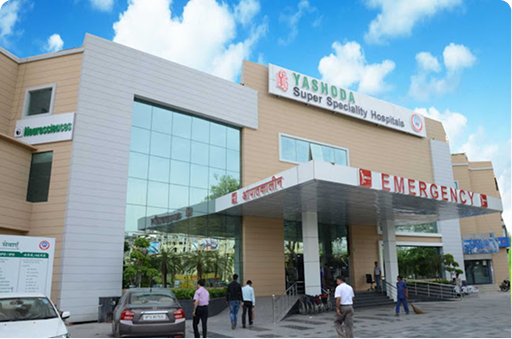
At Yashoda Medicity, patients undergoing bone marrow transplant evaluation and treatment can access multidisciplinary medical care supported by specialised diagnostic, transfusion, critical care, and supportive services. The treatment approach is planned according to the patient's diagnosis, overall health, transplant suitability, and individual clinical requirements.
Conclusion
Finding the best bone marrow transplant hospital in Noida requires more than comparing the availability of transplant procedures. Families should consider the experience of the transplant team, infection-control standards, dedicated transplant infrastructure, laboratory and blood bank support, critical care backup, and comprehensive follow-up services.
Taking the time to discuss these aspects with the treating team can help patients and families make a more informed decision about their care. Yashoda Medicity provides multidisciplinary care and specialised support for patients undergoing evaluation and treatment for conditions that may require bone marrow or stem cell transplantation.
FAQs
1. Why is the experience of the transplant team important?
Bone marrow transplantation involves multiple stages and can have complex complications. An experienced multidisciplinary team can coordinate diagnosis, transplantation, monitoring, and management of treatment-related complications.
2. Why are specialised rooms important during bone marrow transplantation?
Some transplant patients have significantly reduced immunity and may be more vulnerable to infections. Appropriate isolation, air filtration, hygiene, and infection-control measures can help reduce exposure to infectious organisms.
3. Why is blood bank support important during a bone marrow transplant?
Patients undergoing transplantation may require red blood cell or platelet transfusions during treatment. Reliable access to appropriately screened and matched blood components supports timely transfusion care when clinically required.
4. What should I ask a hospital before choosing it for a bone marrow transplant?
Ask about the transplant team's experience, types of transplants performed, infection-control measures, transplant-room facilities, laboratory and blood bank support, critical care backup, and post-transplant follow-up.
5. Does post-transplant care continue after discharge?
Yes. Follow-up may include regular clinical assessments, blood tests, medication management, infection monitoring, nutritional guidance, and evaluation for transplant-related complications. The duration and frequency of follow-up depend on the patient's condition and type of transplant.