

 Call: +91 9266610101
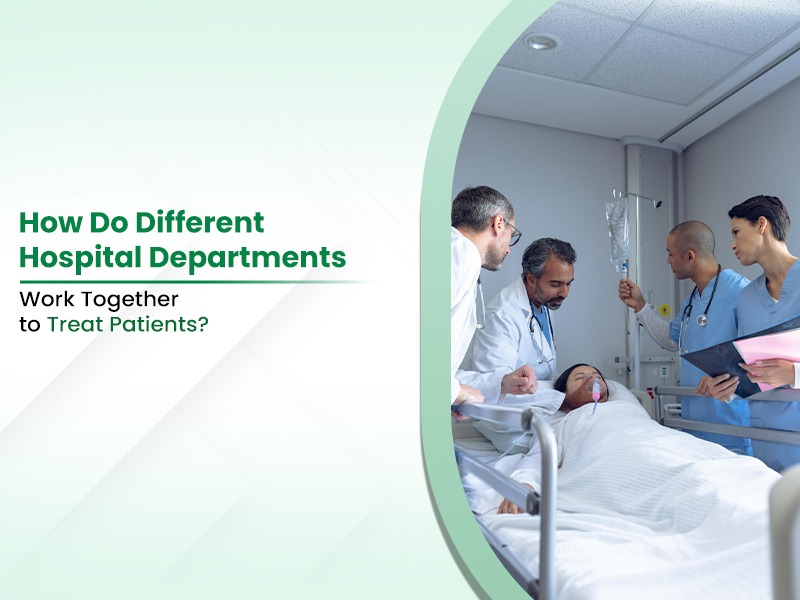
How Do Different Hospital Departments Work Together to Treat Patients?
In a health emergency, immediate medical assistance can provide relief and support. Managing a health crisis takes more than seeing just one doctor. A dedicated team of healthcare professionals works together to provide the medical care a patient needs. Understanding how these medical experts collaborate can help patients better understand their care.
The Foundation of Integrated Healthcare
Modern medicine depends on collaboration across clinical departments to coordinate patient care. Medical teams share diagnostic findings and treatment plans, while choosing the best emergency hospital in Delhi NCR can help patients access coordinated care from doctors, surgeons, radiologists, and nurses. This approach supports timely procedures, informed clinical decisions and ongoing monitoring.
Emergency Arrival and Rapid Triage
In life-threatening cases, time is critical. Emergency teams play a vital role in helping patients access hospital treatment by quickly assessing their condition and determining the level of urgency. At Yashoda Medicity, our emergency department works to stabilise patients and provide the necessary care promptly.
- Immediate Assessment: Triage nurses conduct rapid assessments to categorise cases based on medical severity.
- Rapid Stabilisation: Emergency physicians stabilise patients and initiate essential life-support measures when required.
- Specialist Activation: Relevant specialists, such as trauma surgeons and cardiologists, are alerted for time-critical interventions when needed.
Choosing the best emergency hospital in Delhi NCR can help patients access triage services and round-the-clock emergency care.
Diagnostic Imaging and Laboratory Coordination
An accurate diagnosis is key to effective treatment. Laboratory and radiology teams work alongside physicians to help identify health problems. Radiologists interpret imaging studies such as CT scans, MRI and digital X-rays and share their findings with the treating team. Pathologists analyse blood, tissue, and other clinical samples. Timely communication helps doctors develop an appropriate treatment plan.
Multidisciplinary Care in Action
For complex conditions such as cancer, heart disease, or multi-organ disorders, care may require input from several specialties. Multidisciplinary teams bring together specialists to review patient records and discuss treatment options.
Essential elements of multidisciplinary coordination include:
- Joint Case Conferences: Medical, surgical, and radiation specialists review diagnostic findings together to develop a coordinated care plan.
- Collaborative Decisions: Specialists discuss treatment options and potential risks to support informed clinical decisions.
- Ongoing Plan Reviews: Doctors adjust treatment plans as a patient's condition and needs change.
Accessing treatment at the Best Hospital in Delhi NCR can help patients benefit from coordinated care across specialties.
Surgical Excellence and Anaesthesia Care
Surgical care requires coordination before, during, and after an operation. The operating theatre team includes the surgeon, anesthesiologists, scrub nurses, and surgical technologists, who work together throughout the procedure. The anaesthesiologist monitors the patient's vital signs during surgery. After the procedure, the patient is transferred to a post-anaesthesia care unit, where the nursing team monitors recovery and manages pain.
Critical Care and Intensive Monitoring
Patients recovering from major operations or experiencing life-threatening conditions may require close monitoring in specialised intensive care units (ICUs). Critical care specialists lead teams that may include critical care nurses, respiratory therapists, and clinical pharmacists. These professionals review patients regularly and adjust medications and respiratory support as needed.
At Yashoda Medicity, our ICU teams provide round-the-clock monitoring and care. This ongoing assessment helps teams respond to changes in a patient's condition.
Inpatient Nursing and Pharmacy Integration
When patients move to general inpatient wards, nurses serve as a key link between patients and attending physicians. They administer prescribed medications, monitor recovery and communicate changes in a patient's condition to doctors. Hospital pharmacists review prescriptions to help identify incorrect dosages and potential drug interactions. Nutritionists may also recommend dietary plans based on each patient's clinical needs to support recovery.
Rehabilitation and Smooth Transition to Recovery
Rehabilitation can continue after surgery and acute medical treatment. Physical, occupational, and speech therapists help patients work towards improved mobility, daily functioning, and communication, as needed. Social workers and discharge coordinators help plan the transition home, including arranging equipment, scheduling follow-up appointments, and reviewing medication needs. This coordinated approach supports a safer transition to recovery.
Conclusion
Understanding how hospital departments coordinate care can help patients make informed healthcare decisions. Choosing the best hospital in Delhi NCR can provide access to multidisciplinary teams, diagnostic services and coordinated patient care. At Yashoda Medicity, specialists across departments work together to support personalised treatment and recovery. Contact our medical team to schedule a consultation.
FAQs
Q1: How do various departments in a hospital interact during patient care?
Healthcare teams share relevant medical records, diagnostic findings and updates on a patient's progress to coordinate treatment.
Q2: Why is a multidisciplinary team needed for complex medical cases?
Surgeons, physicians, and diagnostic specialists contribute their expertise to help develop a coordinated treatment plan.
Q3: What role does the emergency department play in coordinating specialist care?
Emergency teams assess and stabilise patients, prioritize care, and consult relevant specialists when needed.
Q4: How do the pharmacy and nursing departments work together to support patient safety?
Nurses administer prescribed medications, while pharmacists review prescriptions to help identify dosage issues and potential drug interactions.
Q5: What happens during discharge and rehabilitation planning?
Therapists and discharge coordinators help plan ongoing rehabilitation, medication needs, and follow-up care based on the patient's condition.