Open Emergency Modal

Frequently Asked Questions

What exactly is Interventional Nephrology, and in what ways does it offer improvements to dialysis patients' accessibility? Interventional Nephrology represents a very focused subspecialty of medicine that combines aspects of medical treatments and surgical operations, especially the work aimed at sustaining the vascular access used for dialysis. Through the employment of image guidance, Dr. Gupta is capable of conducting minimally invasive intervention procedures both for the creation and restoration of access sites. This not only helps in enhancing patient results since it makes sure that the critical function of dialysis remains uninterrupted and dependable, but also cuts down on the necessity for repeated surgical operations. Furthermore, it lessens the exposure to complications such as stenosis and clotting that are unfortunately common in the breakdown of therapy effectiveness.

Dr. Amit Kumar Gupta provides treatment for a broad array of complicated kidney problems, but is very passionate about lupus nephritis, which is an autoimmune kidney inflammation. He is also skilful in the treatment of diabetic nephropathy (kidney damage resulting from diabetes), hypertensive kidney disease, and different kinds of glomerulonephritis. Utilising the education and experience gained from AIIMS New Delhi, he integrates up-to-date, research-based treatment methods to handle these persistent diseases with the goal of maintaining kidney function and averting transition towards end-stage renal disease.

Dr. Amit Kumar Gupta conducts very precise placement of Permcaths (tunnelled hemodialysis catheters) and CAPD (Continuous Ambulatory Peritoneal Dialysis) catheters for patients who need dialysis for a long period of time. He uses advanced imaging and sterile techniques to perform these operations and ensure the catheter is correctly placed in the vascular system or peritoneal cavity. This careful method not only lowers the chances of infection, catheter displacement, or blockage of flow after the procedure but also gives the patient a stable and comfortable long-term dialysis solution.

The whole evaluation is a very thorough and customised process that starts with an in-depth clinical history and physical examination. Dr.. Amit Kumar Gupta does not stop there but also implements the use of advanced diagnostic tools such as speciality tests for blood chemistry, urinalysis, renal imaging, etc., for the differential diagnosis of acute kidney injury and chronic progression. Besides the metabolic profiling and lifestyle attribute assessment of each individual patient, he also formulates a personalised scheme which may consist of dietary changes, drug therapies, or the initiation of renal replacement therapy.

A renal biopsy is typically advised if a patient has protein or blood in their urine without explanation or experiences a fast, unexplained loss of kidney function. For the highest safety and precision, Dr. Amit Kumar Gupta does the procedure while continuously looking at the ultrasound images. This way, he can pinpoint the tiny tissue sample extraction, steer away from major vessels and organs, and still make a clear diagnosis of the kidney disease. The whole process carries minimal risk for the patient.

Geriatric nephrology is really about taking a mild and well-measured route because old people usually have several health problems and physiological changes associated with ageing. Care that is tailored to this group centres on the idea of "slow medicine, " where the emphasis is on living well and controlling drugs in such a way that they do not become toxic. Dr. Amit Kumar Gupta proposes a kind-hearted plan of treatment that is a perfect mix of tough therapy and the patient's overall weakness. Thus, visitations like dialysis are adjusted according to the physical as well as the cognitive requirements of an old person.

Due to renal failure, the balance of calcium and phosphorus in the body gets disrupted. As a result, bones become weak and blood vessels may get calcified.
Diagnosis is done through regular monitoring of bone mineral markers and parathyroid hormone (PTH) levels. Treatment involves the use of phosphate binders, specialised Vitamin D supplementation, and calcimimetics. Dr. Amit Kumar Gupta’s focus is to prevent “brittle bone” syndrome while also protecting the cardiovascular system from the harmful mineral deposits often associated with advanced kidney disease.

People at very high risk, for example, those with heart disease or very bad diabetes, should be very closely monitored during maintenance hemodialysis. Clinical protocols include very frequent checking of the "dry weight" in order to avoid fluid overload, very thorough cardiological examinations, and very strict infection control measures. Dr. Amit Kumar Gupta makes sure that dialysis prescriptions, including blood flow rates and electrolyte concentrations in the dialysate, are changed every time the patient is treated in order to ensure hemodynamic stability and good health in the long run.

In critical care or ICU environments, sudden changes in potassium, sodium, and blood pH levels can be fatal. Dr. Amit Kumar Gupta handles these outside of homeostasis through rigorous bedside monitoring and exact dosage of treatments. For the most critical cases, he resorts to Continuous Renal Replacement Therapy (CRRT), which is a slow and gradual method of eliminating waste and balancing fluids that is closest to how the kidneys function naturally, as compared to standard dialysis, thus the patient remains physiologically sound.

Gupta, who has 12 years post-qualification experience and underwent specialised training at AIIMS New Delhi, can interpret even the slightest renal function deterioration and proteinuria. Getting the nephrologist involved at the earliest stage is the key to halting the diabetic nephropathy progression and sidestepping end-stage renal disease-related morbidities.

The pre-transplant evaluation is a thorough, multi-step process that aims to guarantee the success of the transplant. Besides coordinating a thorough medical workup, Dr. Amit Kumar Gupta also plans for immunological cross-matching, HLA typing, screening of the entire cardiovascular and respiratory systems, and psychological evaluation. Finally, hospitals in Ghaziabad offer state-of-the-art nephrology-related services.

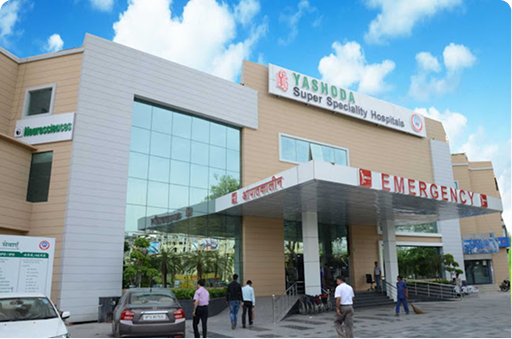
Patients can go to these hospitals to get dialysis at any hour of the day or night. They also have the most advanced renal care in the ICUs and offer complete kidney transplant programs. Moreover, by using the latest technology combined with the committed and conscientious care of a doctor who was trained at AIIMS, these hospitals guarantee that the patients get high-quality nephrology care at any time they need it.