Open Emergency Modal

Frequently Asked Questions

Precision and advanced radiation therapy is a modern way of treating cancer that focuses radiation directly on the tumour instead of exposing large areas of the body. Doctors use detailed scans such as CT, MRI, and PET to clearly map the tumour and surrounding organs before treatment begins.
This helps deliver the required radiation dose to destroy cancer cells while protecting nearby healthy tissues. Advanced machines control and adjust radiation beams so they match the exact shape of the tumour, even when it is close to sensitive organs like the brain or spinal cord. As a result, treatment becomes safer, more effective, and causes fewer side effects.

Precision radiation therapy has revolutionised the treatment of various types of cancer by enabling the delivery of high-dose radiation with surgical-like precision. Among the areas where it is most used are Neurological and Spinal Cancers. Brain metastases, gliomas, and spinal tumours are effectively treated with techniques such as Stereotactic Radiosurgery (SRS), which also preserves the sensitive nerve tissues.

When it comes to Thoracic and Abdominal Cancers, Stereotactic Body Radiotherapy (SBRT) is very effective for the treatment of early-stage lung cancer and also for primary or metastatic lesions in the liver, kidneys, and pancreas. Here, the therapy must be very precise to avoid damage to surrounding organs, such as the heart, stomach, and bowels.

Modern radiation therapy uses technologies such as IGRT, IMRT, SBRT, SRS, motion-guided and surface-guided radiation therapy, adaptive radiotherapy, MRI-guided systems, and ExacTrac to deliver highly precise radiation while minimizing damage to healthy tissues.

IMRT, IGRT, SBRT, and SRS improve cancer treatment outcomes by delivering highly precise radiation doses that closely match the shape and position of the tumour. This accuracy helps destroy cancer cells more effectively while minimising damage to surrounding healthy tissues, leading to better tumour control, fewer side effects, and improved overall treatment outcomes.

Patients should consult a senior radiation oncologist in Delhi NCR like Dr. Gagan Saini, who has over 25 years of experience and specializes in advanced techniques such as image-guided radiotherapy (IGRT), IMRT, stereotactic radiation (SBRT/SRS), adaptive radiotherapy, and brachytherapy, ensuring precise, evidence-based, and personalized cancer care.

A radiation oncologist customises precision radiation therapy by using advanced imaging, detailed treatment planning, and modern techniques such as IGRT, IMRT, stereotactic and adaptive radiotherapy to accurately target the tumor while protecting healthy tissues. Factors like cancer type, stage, location, patient anatomy, and response to treatment are carefully evaluated to design a personalized radiation plan for each patient.

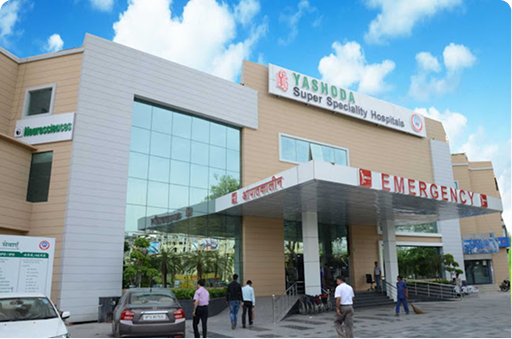
Dr. Gagan Saini delivers advanced radiation therapy at Yashoda Medicity by combining state-of-the-art radiation technologies with meticulous treatment planning and compassionate care. Using modern techniques such as image-guided, intensity-modulated, stereotactic, motion-guided, and adaptive radiotherapy, he ensures high precision in targeting tumors while protecting healthy tissues. Each treatment plan is personalized based on tumor type, location, and patient needs, allowing for effective cancer control with fewer side effects. His evidence-based approach, supported by decades of clinical experience, ensures safe, accurate, and patient-centric radiation care throughout the treatment journey.

Patients can access precision radiation therapy for cancer at Yashoda Medicity, a multi-specialty cancer care centre equipped with advanced image-guided and stereotactic radiotherapy technologies, serving patients from Ghaziabad, Delhi NCR, and surrounding regions.

Yes, advanced radiation therapy is a cornerstone of the comprehensive cancer care services at Yashoda Medicity. The facility is equipped with some of the world’s most sophisticated radiotherapy technologies, designed to provide patients with highly precise, effective, and minimally invasive treatment options.