Open Emergency Modal

Frequently Asked Questions

ABO-incompatible (ABO) transplantation is a unique type of surgery that enables patients to get a kidney from a donor having a different blood group. Initially, blood group compatibility was considered a strict condition; nevertheless, Dr. Prajit Mazumdar employs cutting-edge techniques such as plasmapheresis and specific immunosuppression to eliminate and inhibit antibodies that would lead to organ rejection. This innovation greatly widens donor options by turning family members or friends who were previously "mismatched" into potential donors. By breaking blood-type barriers, patients will get a chance to have a transplantation earlier, and the time that they have to spend on dialysis treatments will be reduced.

Dr. Mazumdar is capable of handling a full range of complicated immunological and structural kidney disorders. Glomerulonephritis, which is an inflammation of the kidney's filtering units, and Nephrotic Syndrome, consisting of heavy protein leakage (proteinuria), swelling, and high cholesterol, are his main areas of skill. He makes use of accurate diagnostic tools and therapeutic methods to prevent the occurrence of these diseases, leading to end-stage renal disease. In addition to kidney cyst management, treatment of chronic infections, and addressing rare glomerular disorders, Dr. Mazumdar's all-encompassing method intends to provide patients with tailored care that remains focused on not only preserving their long-term kidney function but also their general health.

Cardio-Renal Syndrome is a complex interrelationship where damage to either the heart or the kidneys results in the failure of the other organ. Because kidneys are responsible for controlling blood pressure and maintaining fluid balance, when the heart fails, it usually results in decreased renal perfusion; on the other hand, kidney disease can cause fluid overload, leading to additional strain on the heart. Dr. Mazumdar keeps this tricky connection in balance by using integrated treatment strategies that carefully control both fluid removal and maintenance of hemodynamic stability. Through the joint management of blood pressure and the use of nephro-protective drugs, he makes sure that one organ treatment doesn't harm the other unintentionally, thus offering a complete and comprehensive recovery path for patients suffering from the stress of both organs dying.

Highly sensitised patients are those with elevated levels of Anti-HLA antibodies, who require a transplant when they face prolonged waiting times or repeated cross-match failures. These antibodies, usually arising from previous transplants, transfusions, or pregnancies, are responsible for the increased risk of rejection. Dr. Mazumdar has an interest in handling these challenging cases, employing desensitisation methods to "purify" the blood from the detrimental antibodies prior to surgical intervention. For these patients, if done under the supervision of a knowledgeable expert who is skilled in handling high-risk immunological profiles, a transplant is a life-saving choice as opposed to staying on dialysis forever.

A Gold Medalist with in-depth clinical exposure, Dr. Mazumdar has turned his specialisation in Diabetic Nephropathy into a precision art. This disease is the main reason for kidney failures worldwide. To inhibit the progress of the glomerular scarring while concurrently managing the blood glucose and systemic hypertension, he has employed innovative and thoroughly researched methods. His treatment protocol includes initiating therapy at the earliest detection of albuminuria (protein in urine) and also administering the freshest nephroprotective drugs. His extensive theoretical knowledge, enhanced by hands-on involvement in more than a thousand cases allows him to formulate robust, tailor-made regimens that proficiently delay the progression of diabetic nephropathy.

Paired Kidney Exchange is a procedure that essentially serves as a turning point for patients having a donor who, despite being a perfect match medically, is not compatible immunologically (different blood group or tissue antigen mismatch). Dr. Mazumdar, using this method, organises an interchange in which Donor A gives to Patient B, whereas Donor B gives to Patient A. Such a "swap" guarantees that even two or more patients simultaneously get the compatible organs. This function is vital, especially in those cases where donor shortage creates dilemmas, as it converts two incompatible pairs into two successful operations, thereby greatly improving the probability of a good result in the long run.

Pediatric kidney disorders, from congenital abnormalities of the kidney and urinary tract (CAKUT) to childhood nephrotic syndrome, demand a softer, more targeted treatment plan. Working with Dr. Mazumdar, the therapy goal is to support growth and development along with managing kidney malfunction. He offers highly specialised treatment for children with proteinuria or congenital kidney cysts, focusing first on non-invasive treatments and accurate surgical/dialysis decisions. Patient-centred care is Dr. Mazumdar's ethos, so he ensures that both those little patients and their families are given a kind education and up-to-date treatment that fits well with the growing child's physiology.

A sudden decrease in urine production or an increase of serum creatinine levels are clinical emergencies that most of the time indicate Acute Kidney Injury (AKI). Dr. Mazumdar implements rapid-response protocols to determine the root cause - be it dehydration, obstruction, or sepsis. The treatment involves hemodynamic stabilisation, electrolyte adjustment, and, if needed, emergency dialysis at the patient's bedside (Continuous Renal Replacement Therapy). Addressing the "pre-renal, " "intrinsic, " or "post-renal" causes swiftly is aimed at reversing the injury before it becomes permanent, with the highest priority given to the restoration of the natural kidney function and the prevention of chronic failure.

Long-term dialysis patients need to be carefully monitored in order to prevent systemic complications. Dr. Mazumdar monitors the levels of bone-mineral metabolism markers, such as calcium, phosphorus, and parathyroid hormone (PTH), to avoid "renal bone disease. " Moreover, he checks for renal fibrosis and cardiovascular calcification through regular imaging and blood tests. By modifying dialysis adequacy and prescribing specific binders or vitamin D analogues, he ensures that the treatment not only cleans the blood but also keeps the bones and heart healthy, thereby greatly enhancing the quality of life for those on maintenance hemodialysis.

For these symptoms, a Senior Consultant Nephrologist like Dr. Prajit Mazumdar must be consulted without delay. "Cola-colored urine" usually indicates hematuria (presence of blood in urine) associated with glomerulonephritis, while continuous swelling (oedema) hints at kidney failure in handling fluid or protein leakage. Resistant hypertension, high blood pressure that does not get controlled with standard medications, is often a result of renal artery issues or chronic kidney disease. Getting a specialist involved definitely helps in making a prompt diagnosis through urinalysis, blood tests, and imaging, thereby preventing these symptoms from worsening to kidney failure.

Dr. Mazumdar has authored more than 25 papers in peer-reviewed journals, indicating that he is deeply involved in research and that his patients enjoy the benefits of the latest world medical standards. His scholarly work makes him not only a medical practitioner but also an influential figure in medicine, who constantly updates himself with the latest immunosuppressive protocols and transplant methods. His strong inclination towards research helps him to crack "cold cases" or extremely complicated transplants with high accuracy using data. Patients are offered more than just ordinary care as their treatment is guided by the newest clinical trials and international standards for kidney health.

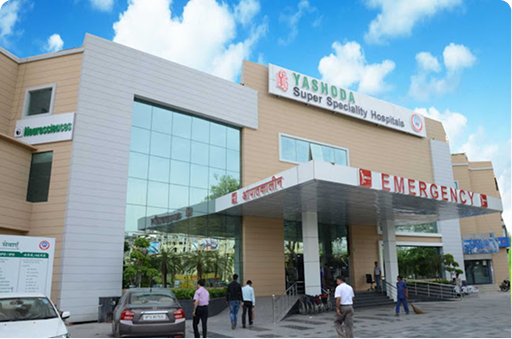
People living in Ghaziabad or the greater Delhi NCR area can avail of Dr. Prajit Mazumdar's knowledge and skills at various tertiary care hospitals where he is a Senior Consultant. These centres are equipped with round-the-clock emergency services for acute renal failure, immediate dialysis, and thorough transplant assessments. Besides handling initial procedures for ABO-incompatible or swap transplants, Dr. Mazumdar's expertise covers the management of sudden complications like uremia or severe electrolyte imbalances. His medical institution is a comprehensive reference point for advanced nephrology treatment as it integrates the latest technology with a warm, patient-centred philosophy.