Open Emergency Modal

Frequently Asked Questions

A "high-risk" kidney transplant refers to cases where patients have high levels of pre-existing antibodies, often due to previous transplants, blood transfusions, or pregnancies, increasing the risk of rejection. At Yashoda Medicity, Dr. Indrajit G. Momin manages such cases using advanced desensitisation protocols, including plasmapheresis to remove antibodies and immunomodulatory therapies such as IVIg and Rituximab. Under his supervision, this approach enables successful transplantation even in highly sensitised patients who were previously considered unsuitable for transplant.

Dr. Indrajit G. Momin manages a wide spectrum of complex kidney diseases, including glomerulonephritis and diabetic kidney disease, a leading cause of kidney failure. His treatment approach includes renoprotective therapies such as SGLT2 inhibitors and ARBs to reduce intraglomerular pressure and slow progression. For autoimmune conditions like lupus nephritis, he uses targeted immunosuppressive regimens. Patients with proteinuria or hematuria receive stage-based, individualized care under his supervision for optimal renal preservation.

At Yashoda Medicity, Dr. Indrajit G. Momin performs ABO-incompatible kidney transplants using advanced desensitisation techniques. These include plasmapheresis to reduce blood group–specific antibodies before surgery. A carefully structured immunosuppression protocol is initiated under his guidance to prevent rejection. This allows living donor transplantation even in blood group–mismatched cases, significantly reducing waiting time for patients.

Post-transplant diabetes mellitus is a metabolic complication that may occur after kidney transplantation, often due to immunosuppressive drugs like steroids or Tacrolimus. Dr. Indrajit G. Momin closely monitors metabolic parameters and adjusts immunosuppressive therapy to maintain a balance between graft protection and glucose control. His management also includes dietary counselling and metabolic risk assessment to ensure long-term graft function and patient health.

In critically ill patients, Acute Kidney Injury is managed in the ICU under the supervision of Dr. Indrajit G. Momin using advanced renal support therapies such as CRRT and SLED when conventional dialysis is not tolerated. Severe electrolyte imbalances like hyperkalemia or hyponatremia are corrected through rapid, closely monitored interventions to prevent cardiac and neurological complications, with treatment continuously adjusted based on real-time clinical response.

Dr. Indrajit G. Momin recommends a kidney biopsy when the cause of renal dysfunction is unclear, such as in rapidly progressive nephrotic syndrome or unexplained hematuria. He performs ultrasound-guided percutaneous biopsy under local anesthesia. The tissue is analysed using light microscopy, immunofluorescence, and electron microscopy to establish a definitive diagnosis, which then guides targeted treatment under his care.

Continuous Ambulatory Peritoneal Dialysis (CAPD) is a home-based dialysis option that uses the peritoneal membrane for waste filtration. Dr. Indrajit G. Momin performs catheter placement and provides structured training for patients and caregivers to manage dialysis safely at home. Under his guidance, CAPD offers improved lifestyle flexibility and is often better tolerated in selected patients compared to haemodialysis.

Dr. Indrajit G. Momin focuses on slowing disease progression through renoprotective therapy. Renal hypertension is controlled using ACE inhibitors or ARBs, which reduce glomerular pressure and protein loss. He also manages associated complications such as anaemia of chronic kidney disease and renal bone disorders using appropriate supportive therapies, including erythropoiesis-stimulating agents when required, ensuring long-term disease stability.

Patients should seek consultation with Dr. Indrajit G. Momin if they experience facial or limb swelling, foamy urine, reduced urine output, or persistent fatigue. Rising serum creatinine is a key indicator of declining kidney function, often reflecting significant underlying damage. Early evaluation under his care enables timely intervention and helps prevent progression to advanced kidney failure.

With training from AIIMS New Delhi and SGPGIMS Lucknow, along with his experience as Assistant Professor at SGPGIMS, Dr. Indrajit G. Momin brings strong academic and clinical expertise to patient care at Yashoda Medicity. His practice is firmly evidence-based, integrating current research into real-time clinical decision-making, ensuring precise diagnosis, protocol-driven treatment, and continuously improved patient outcomes.

Under the care of Dr. Indrajit G. Momin, long-term graft survival is ensured through structured monitoring of immunosuppressant drug levels to maintain an optimal therapeutic balance and prevent rejection. Patients are also routinely monitored for post-transplant complications, including viral infections such as BK virus and CMV, along with periodic assessment of urine protein levels and renal ultrasound imaging. This systematic follow-up enables early detection of complications and supports sustained, long-term transplant success.

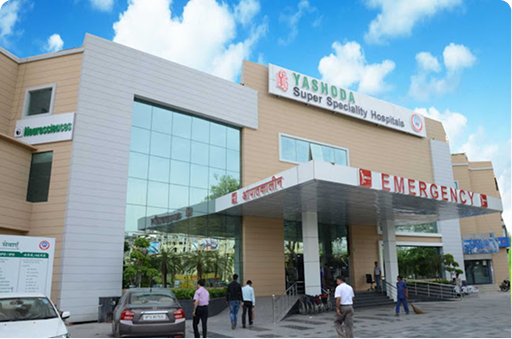
At Yashoda Medicity, Indirapuram, Ghaziabad, patients have access to round-the-clock nephrology care, including emergency dialysis, advanced renal ICU support, and kidney transplant services. These services are provided under the supervision of Dr. Indrajit G. Momin, ensuring continuous monitoring, structured treatment protocols, and timely intervention for all renal emergencies.