Child Growth Development Preventive Paediatrics Specialist
Open Emergency Modal

Frequently Asked Questions

General paediatrics is the medical specialty dedicated to the health and well-being of infants, children, and adolescents. It combines preventive healthcare with the diagnosis and treatment of acute and chronic childhood illnesses, while supporting healthy physical, emotional, and developmental growth through an evidence-based approach.
The primary goal of paediatric care is early diagnosis, timely treatment, and the prevention of future health complications. Paediatricians not only treat illnesses but also partner with families by providing guidance on nutrition, growth, development, immunisation, and overall child well-being.

General paediatric care covers a wide range of acute and chronic medical conditions affecting children. Paediatricians commonly treat respiratory tract infections, gastroenteritis, urinary tract infections, and contagious illnesses such as chickenpox and measles. They also manage chronic conditions including asthma, seasonal and food allergies, and skin disorders like eczema.
In addition, general paediatrics addresses growth disorders, nutritional deficiencies such as anaemia and rickets, and metabolic conditions in children. It also includes the evaluation of developmental concerns, including speech delays and behavioural changes, along with emergency paediatric care and specialised management of newborn conditions.

Treatment is always tailored to a child's age, weight, and developmental stage. Newborn conditions may require specialised care ranging from phototherapy for neonatal jaundice to respiratory support and feeding assistance. Childhood infections are managed using evidence-based treatment protocols, including antibiotics for bacterial infections and supportive care, hydration, and fever management for viral illnesses.
Growth disorders require detailed clinical evaluation, including hormonal and genetic assessment where indicated, followed by appropriate medical treatment or referral to paediatric endocrinology. Nutritional deficiencies are corrected through personalised dietary plans, parental counselling, and supplementation with essential nutrients such as iron, vitamin D, and calcium to support healthy growth and development.

Parents should consult a qualified paediatrician or child healthcare specialist for childhood infections, developmental concerns, and routine paediatric health needs. These specialists undergo dedicated training in the diagnosis and management of conditions affecting infants, children, and adolescents.
While general practitioners can manage some common illnesses, children often require age-specific evaluation and treatment because of their unique developmental and physiological needs. For complex conditions, paediatricians collaborate with subspecialists such as paediatric pulmonologists, endocrinologists, or developmental paediatricians to provide comprehensive care.

Managing complex paediatric conditions requires early diagnosis, continuous monitoring, and personalised long-term care. For recurrent infections, paediatricians assess underlying immune, nutritional, or environmental factors that may increase susceptibility to illness. Asthma and allergies are managed by identifying triggers, developing individualised asthma action plans, and using appropriate preventive and rescue medications to reduce flare-ups.
Growth-related concerns are monitored using standardised growth charts and developmental assessments to identify delays early. Treatment may include nutritional counselling, lifestyle modifications, medical therapy, and coordinated care with paediatric subspecialists to support optimal growth and long-term health.

Diagnosis begins with a detailed medical history and comprehensive clinical examination. Fever and respiratory infections are evaluated using investigations such as blood tests, nasal swabs, or chest X-rays when required to distinguish between viral and bacterial infections. Treatment may include hydration, fever management, antibiotics when indicated, and supportive care.
Digestive disorders are assessed using stool tests, blood investigations, or imaging studies and are treated through oral rehydration, dietary modifications, and condition-specific medications. Developmental concerns are identified through milestone assessments and behavioural screening tools, with early intervention, nutritional support, and therapy referrals helping children achieve their developmental potential.

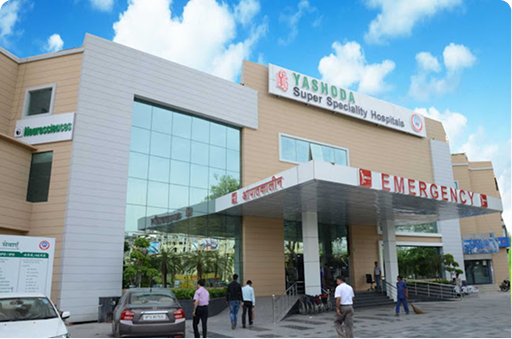
Parents across Delhi NCR can access comprehensive child healthcare through specialised paediatric departments at tertiary care hospitals. Yashoda Medicity in Indirapuram, Ghaziabad, offers complete paediatric services ranging from preventive healthcare and routine immunisation to neonatal care, paediatric emergencies, and developmental assessment.
Families in Ghaziabad, Noida, Greater Noida, East Delhi, and surrounding regions can also access multidisciplinary paediatric care without travelling long distances. Other recognised institutions in Delhi NCR include AIIMS, Chacha Nehru Bal Chikitsalaya, and dedicated paediatric centres across the region.

Yes. Dr. Narendra Kumar Jha provides comprehensive general paediatric care at Yashoda Medicity in Indirapuram, Ghaziabad. With over 24 years of clinical experience, he cares for newborns, infants, children, and adolescents across a wide range of preventive and medical healthcare needs.
His expertise includes newborn care, childhood infections, growth and developmental assessment, nutrition, immunisation, adolescent health, and parent counselling. Dr. Jha is also a National Trainer for the Basic Life Support (BLS) course conducted by the Indian Academy of Pediatrics (IAP) and has previously served as President of the Academy of Pediatrics Ghaziabad (AOPG). At Yashoda Medicity, he follows an evidence-based, family-centred approach focused on preventive healthcare, early diagnosis, and personalised care for every child.