Open Emergency Modal

Frequently Asked Questions

Advanced nephrology involves the use of advanced renal support therapies such as CRRT, SLED, and HDF to support kidney function in critically ill patients. These therapies help maintain fluid balance, remove toxins, and stabilize essential biochemical parameters, thereby preventing further organ deterioration.
At Yashoda Medicity, Dr. L. K. Jha, with over 27 years of experience, individualizes treatment plans based on patient condition, improving survival and outcomes in patients with advanced kidney failure.

Under the leadership of Dr. L. K. Jha, the department manages complex kidney conditions such as glomerulonephritis, nephrotic syndrome, polycystic kidney disease (PKD), and resistant hypertension. The team also treats systemic diseases affecting the kidneys, including lupus nephritis and vasculitis.
With training from PGIMER, Chandigarh, Dr. Jha provides evidence-based management for both common and rare renal disorders, ensuring comprehensive care even in highly complex cases.

At Yashoda Medicity, precise diagnostic protocols such as ultrasound-guided percutaneous kidney biopsy are used for histopathological evaluation. Additional investigations include DTPA/DMSA scans for renal function assessment, 24-hour urine protein estimation, and immunofluorescence studies.
These tools enable Dr. L. K. Jha to accurately stage chronic kidney disease (CKD) and differentiate various renal parenchymal disorders for targeted treatment.

The transplant unit at Yashoda Medicity manages a wide range of kidney transplants, including ABO-incompatible and cadaveric transplants, following structured clinical protocols and achieving consistently high success rates. Each case begins with a comprehensive pre-transplant evaluation to assess compatibility, optimize patient condition, and reduce procedural risks.
Post-surgery, patients receive intensive care in a specialized ICU setup to ensure close monitoring during the critical recovery phase. Long-term follow-up is equally structured, focusing on immunosuppressant drug level monitoring, graft function assessment, and infection prevention strategies. Under the clinical leadership of Dr. L. K. Jha, this coordinated, protocol-driven approach ensures improved graft survival, reduced rejection risk, and sustained long-term kidney function.

Dialysis is recommended when the glomerular filtration rate falls below 15 ml/min (Stage 5 CKD) or when patients develop life-threatening symptoms such as fluid overload or uremic complications.
Hemodialysis is used for rapid toxin removal in clinical settings, while CAPD (peritoneal dialysis) is preferred for patients requiring greater lifestyle flexibility or those unable to tolerate hemodynamic shifts associated with hemodialysis.

In the ICU, acute kidney injury (AKI) is closely monitored with continuous renal replacement therapy (CRRT) support for hemodynamically unstable patients. Electrolyte imbalances such as hyperkalemia or hyponatremia are corrected using controlled, real-time monitoring protocols. At Yashoda Medicity, Dr. L. K. Jha leads a dedicated critical care nephrology team that ensures continuous monitoring and timely intervention to protect kidney function in critically ill patients.

Specialised care at Yashoda Medicity focuses on renoprotection, aiming to slow disease progression and delay dialysis by targeting key mechanisms of kidney damage. Instead of only symptom control, treatment includes medications such as ACE inhibitors and ARBs, which reduce harmful intraglomerular pressure. In diabetic patients, SGLT2 inhibitors provide additional renal protection by reducing glomerular stress and improving long-term outcomes. Strict blood pressure control and regular monitoring further help limit ongoing kidney damage. Under Dr. L. K. Jha’s care, management is individualized, combining medication optimisation with lifestyle modification to preserve kidney function over time.

Recurrent UTIs are managed through urine culture and antibiotic sensitivity testing, followed by targeted antibiotic therapy. Recurrent or complicated cases are evaluated for underlying anatomical or functional abnormalities. Kidney stones are treated using minimally invasive procedures such as RIRS or PCNL, depending on size and location. Timely stone removal and infection control help prevent complications such as obstruction, renal scarring, and progressive kidney damage leading to renal failure.

Symptoms such as facial or ankle swelling, foamy urine (suggesting protein loss), or reduced urine output require early medical evaluation. Since serum creatinine rises only after significant kidney damage, patients with diabetes or hypertension are advised to undergo regular screening for early detection of silent kidney disease.

With extensive clinical experience in managing dialysis patients, Dr. L. K. Jha has contributed to the development of structured safety protocols that help reduce complications such as infections and intradialytic instability. His clinical expertise supports early recognition of warning signs like blood pressure fluctuations, cramps, or discomfort during dialysis, enabling timely corrective action. This results in safer, more stable, and more comfortable dialysis experiences for patients.

Modern dialysis uses bioimpedance-based monitoring to accurately determine dry weight and maintain precise fluid balance. Machine learning tools further refine individual treatment patterns over time, enabling more accurate and personalised fluid removal strategies. This reduces risks of fluid overload or dehydration and helps improve cardiovascular stability and long-term dialysis outcomes.

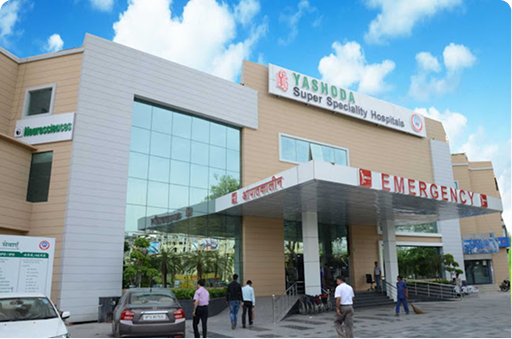
At Yashoda Medicity, Indirapuram, Ghaziabad, patients have access to comprehensive 24×7 renal care services, including emergency nephrology, dialysis support, and kidney transplant management. The facility is equipped with an advanced renal ICU and a dedicated transplant unit to manage both acute and chronic kidney conditions with continuous monitoring and timely intervention. Under the leadership of Dr. L. K. Jha, care is delivered through a structured, protocol-driven approach focused on safety, precision, and long-term outcomes for patients with complex renal diseases.