Open Emergency Modal

Frequently Asked Questions

Gastroenterology is the branch of medicine that deals with disorders of the esophagus, stomach, intestines, gallbladder, pancreas, and liver. It provides comprehensive care for a wide range of conditions, including liver diseases such as hepatitis and cirrhosis, inflammatory bowel disease (IBD), complex diarrheal disorders, acid reflux, peptic ulcers, and fatty liver disease. This integrated approach ensures effective management of both common digestive issues and complex organ-related conditions through precise clinical evaluation and advanced medical expertise.

Gastroenterology care covers a wide spectrum of digestive and liver disorders, including acid reflux disease, peptic ulcers, fatty liver disease, hepatitis, cirrhosis, inflammatory bowel disease (IBD), chronic diarrhea, malabsorption syndromes, and pancreatic-biliary disorders. The specialty addresses both functional digestive problems and complex structural or inflammatory conditions affecting the gastrointestinal and hepatobiliary systems.

Endoscopy and colonoscopy are key diagnostic procedures used in gastrointestinal care. They are recommended for patients with persistent symptoms such as abdominal pain, unexplained weight loss, rectal bleeding, or chronic diarrhea. These procedures are essential for detecting ulcers, inflammation, tumors, and precancerous changes, as well as for screening colorectal cancer. They also help evaluate causes of persistent heartburn and swallowing difficulties, enabling early and accurate diagnosis.

Endoscopy or colonoscopy is recommended when symptoms are persistent or unexplained, such as ongoing abdominal pain, unexplained weight loss, rectal bleeding, difficulty swallowing, or chronic diarrhea. These procedures play an important role in detecting conditions such as inflammatory bowel disease, peptic ulcers, reflux-related complications, and colorectal cancer. Early evaluation helps identify disease at a treatable stage and supports minimally invasive management.

Complex digestive and liver disorders often require advanced gastroenterology and therapeutic endoscopy services. This includes management of conditions such as bile duct obstruction, portal hypertension, and complications of liver failure. Advanced care combines high-end imaging with interventional endoscopic techniques to ensure precise diagnosis and targeted treatment of complex gastrointestinal and hepatobiliary diseases.

Interventional endoscopic treatments are recommended when a condition requires a surgical-level solution but can be managed without open surgery. These procedures are used for removing large polyps, placing stents in obstructed digestive passages, extracting bile duct stones (ERCP), treating swallowing disorders such as achalasia, and controlling gastrointestinal bleeding. They are particularly useful for patients who may not be fit for surgery, offering minimally invasive treatment with faster recovery and fewer complications.

Chronic digestive and liver diseases require long-term monitoring and comprehensive management. Treatment focuses on controlling the underlying condition while addressing complications such as anemia, electrolyte imbalance, and malabsorption. Management may include medications, endoscopic procedures, nutritional support, and regular follow-up to prevent disease progression and maintain overall health.

Therapeutic endoscopy is an advanced procedure that allows diagnosis and treatment to be performed in a single session using an endoscope. It is recommended for conditions such as bleeding ulcers, gastrointestinal strictures, bile duct stones, and early-stage tumors. Techniques like ERCP and EUS are used for pancreatic and biliary disorders, deep tissue evaluation, and fluid drainage. This minimally invasive approach ensures effective treatment with reduced trauma and faster recovery.

Secondary complications of digestive disorders, such as anemia, electrolyte imbalance, or malabsorption, are diagnosed through blood tests, imaging studies, and clinical evaluation. Treatment addresses both the primary gastrointestinal condition and its systemic effects. Supportive therapies such as intravenous iron, nutritional supplementation, and dietary modifications are used alongside targeted gastroenterology treatment to ensure overall patient stability.

Patients with persistent digestive symptoms such as abdominal pain, jaundice, or blood in stool should consult a gastroenterologist. Unlike general physicians, gastroenterology specialists are trained in advanced diagnostic and therapeutic endoscopic procedures, as well as in the evaluation of complex liver and gastrointestinal disorders.
Dr. Rajesh Upadhyay is a globally recognized gastroenterologist and therapeutic endoscopist with extensive experience in managing complex digestive and liver diseases. He has treated patients from India and abroad and performed thousands of high-risk endoscopic interventions. He is also an MRCP (UK) examiner and an academic contributor with over 100 scientific publications, more than 500 lectures, and active roles in national guideline committees. He has received several prestigious awards, including the Dr. B.C. Roy National Award (presented by the President of India) and the Inspiring Gastroenterologist of India Award (Economic Times, 2023).

At Yashoda Medicity, Dr. Rajesh Upadhyay manages complex gastrointestinal cases using advanced gastroenterology and therapeutic endoscopy techniques. Procedures such as ERCP and EUS are used for bile duct disorders, deep tissue evaluation, and targeted biopsy of lesions.
With strong academic and clinical credentials, including extensive publications and contributions to national guidelines, he follows an evidence-based, minimally invasive approach focused on precision, safety, and improved outcomes in complex liver, pancreatic, and gastrointestinal diseases.

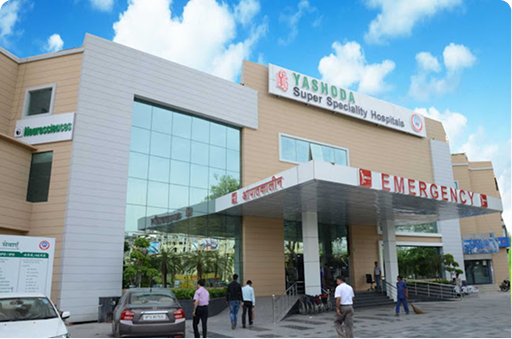
Patients can access advanced gastroenterology and therapeutic endoscopy services at Yashoda Medicity, Ghaziabad. Equipped with state-of-the-art infrastructure, modern operation theatres, and advanced diagnostic facilities, the hospital serves as a regional centre for digestive and liver care.
With Dr. Rajesh Upadhyay available at the centre, patients benefit from globally experienced expertise in complex gastrointestinal care. His decades of experience, international recognition, and leadership in academic gastroenterology further strengthen the hospital’s clinical capabilities.
The integration of advanced imaging, endoscopy, and specialist-led care ensures high-quality, patient-centric treatment for both routine and complex gastrointestinal conditions.