 Open Emergency Modal
Open Emergency Modal
Open Emergency Modal


The NCR with its dense cluster of large corporate hospitals, international airports, and long experience in handling overseas patients is already an established centre for international healthcare.
The medical and healthcare industry in Delhi NCR has welcomed Finance Minister Nirmala Sitharaman’s announcement in the Budget on promoting India as a hub for medical tourism services through “a Scheme to support States in establishing five Regional Medical Hubs in partnership with the private sector”.
The NCR with its dense cluster of large corporate hospitals, international airports, and long experience in handling overseas patients is already an established centre for international healthcare.
The region now finds itself in a unique position to benefit from the Budget announcement, Dr Vinay Aggarwal, senior physician and former president of the Indian Medical Association (IMA), said.
Dr Aggarwal said 20-25 large corporate hospitals in Delhi NCR together generate an estimated monthly revenue of Rs 1,400-1,500 crore – and “around 7-8% of their business comes from foreign patients, which is a significant contribution.”
These large facilities can handle complex and high-value procedures that attract international patients, Dr Aggarwal said. Patients come from countries in the Middle East, Africa, South and Central Asia, the CIS, and even some developed nations. Until recently, Bangladesh used to be a major source country too, he said.
International patients come for advanced cancer care, organ and kidney transplants, cardiac interventions, complex orthopaedic and neurosurgical procedures, and other high-end elective treatments. Some patients from the United States come for procedures that are not covered by insurance, including cosmetic surgery, hair transplants, and dental care.
“Advanced interventions, including robotic surgeries, also draw patients,” Dr Aggarwal said.
A centralised system could be transformative for medical tourism in the region, Dr Aggarwal said. “Information about hospitals and their capabilities will percolate through a single portal, allowing hospitals to showcase their facilities globally,” he said. Approvals and documentation will be brought onto a single platform, and hospitals will be able to list their services in a way that would help patients make informed choices.
“Medical tourism at Fortis is driven by a combination of clinical excellence, cutting-edge medical technology, internationally trained specialists, and transparent pricing,” Dr Ritu Garg, Chief Growth Officer, Fortis Hospital, said.
The hospital attracts patients mainly from the Middle East, including Iraq and Oman; Kenya, Nigeria, Ethiopia, Mauritius, Tanzania, and Zambia in Africa; SAARC countries; and CIS countries like Uzbekistan, Kazakhstan, Tajikistan, and Turkmenistan. Patients travel primarily for advanced cancer care, organ transplants, bone marrow transplants, and complex neurosciences procedures, the hospital said.
Dr Dharminder Nagar, Managing Director, Paras Hospital, said their foreign patients require “complex, life-saving, or long-term treatments that may not be easily accessible or affordable in their home countries”. They commonly seek liver transplants, advanced cardiac care, oncology services, neuro and spine surgeries, and IVIG therapy for immune-related and neurological conditions, he said.
Patients come from the Middle East (Iraq, Yemen), Central Asia (Turkmenistan, Kyrgyzstan, Uzbekistan, Kazakhstan), and Africa (Liberia, Kenya, Cameroon). The hospital has partnerships with 30-40 international medical travel facilitators who provide medical visas, accommodation assistance, interpretation services, treatment coordination, and post-discharge follow-up, he said.
Anas Abdul Wajid, Senior Director and Chief Sales and Marketing Officer at Max Healthcare, said “the proposal to establish regional medical hubs is a timely and strategic step towards positioning India as a global destination for medical value travel.”
Max treats more than 35,000 international patients from more than 145 countries every year, who come mainly for advanced cancer care, organ transplants, cardiac interventions, neuro and spine surgeries, orthopaedics, and minimally invasive gastrointestinal procedures.
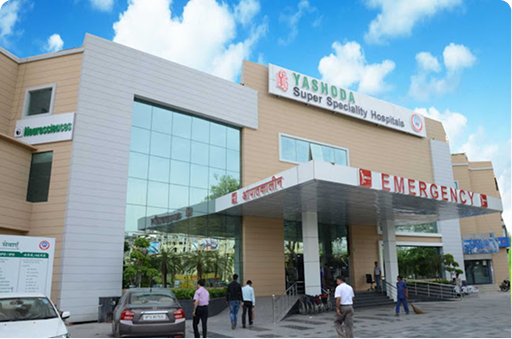
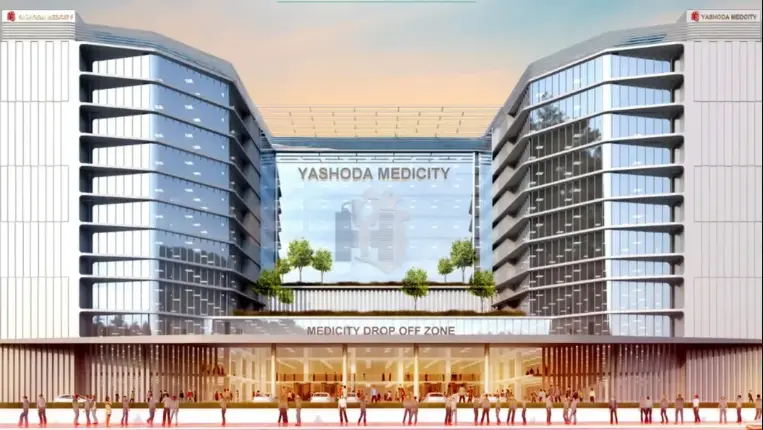
Dr Upasana Arora, Managing Director, Yashoda Group of Hospitals, said: “In the last few years, medical value tourism has seen a trajectory growth, thanks to the infrastructure, skilled doctors, and affordable pricing.”





 Call: +91 9266610101