 Open Emergency Modal
Open Emergency Modal
Open Emergency Modal

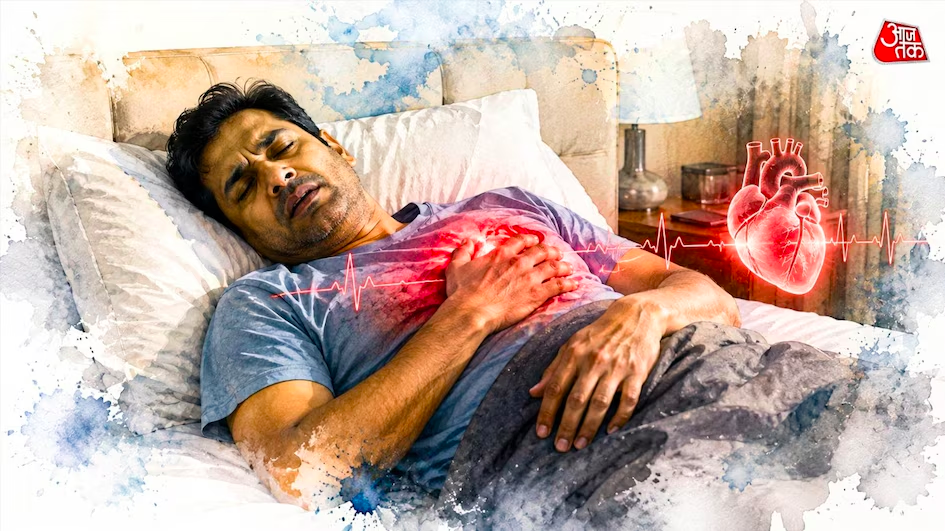
A stroke changes the life of a person in an instant, making everyday activities like walking, talking, or even holding a cup difficult. But strokes do not always mean these challenges are permanent. Many people recover lost abilities and enhance their lives with timely treatment, proper rehabilitation and continued support.
A stroke occurs when blood stops flowing to the brain or a blood vessel in the brain bursts, cutting off oxygen to brain cells. It can cause weakness or paralysis, speech problems, poor balance, or memory issues, or trouble swallowing, depending on the part of the brain that is affected.
Tips to Support Recovery from Stroke
Begin rehabilitation immediately after a stroke
Attend Physiotherapy and speech Therapy sessions regularly
Take prescribed medications as directed.
Keep blood pressure, diabetes and cholesterol under control.
Have a healthy and nutritious diet to restore energy.
Stay physically active
Seeking emotional and psychological support
Timely Medical Care Makes a Big Difference
Patients who reach the hospital within a certain time may be eligible for clot-busting medications or clot removal procedures. These procedures restore blood flow, reduce brain damage and increase the likelihood of faster recovery.
Rehabilitation starts immediately after stroke
Stroke care extends beyond emergency treatment. Rehabilitation begins within 24 hours after a stroke when the patient is medically stable. A team of specialists, including neurologists, physiotherapists, and speech therapists, works together to help the patient regain function, rebuild confidence and return to everyday activities as soon as possible.
Physical Therapy to Rebuild Body Movement and Independence
When a stroke happens, muscles on one side of the body may become weak or paralysed, affecting the patient's strength, balance, coordination, posture, and walking. Physiotherapy consists of a series of exercises, muscle training and mobility techniques that enhance mobility of the body and improve functional independence. Many patients can perform activities with greater ease with regular rehabilitation.
Enhancing communication and cognitive skills
After a stroke, some patients have problems talking, speaking, swallowing, remembering or concentrating. Speech and language therapy are used to help with communication and safe swallowing, and cognitive rehabilitation is used to support memory, attention, reasoning and problem solving. These therapies assist patients in re-entering the workforce, social circles and independent living more smoothly.
Modern Rehabilitation Methods for Better Recovery
Advances in rehabilitation have expanded the range of therapies available to support stroke recovery.
Techniques like robot-assisted rehabilitation, functional electrical stimulation (FES), virtual reality-based therapy, constraint-induced movement therapy, balance training systems and computer-assisted gait training complement conventional rehabilitation very well. These methods provide repetitive, targeted exercises that promote functional improvement in the brain and body.
Managing Ongoing Challenges
After a stroke, some patients have muscle stiffness (spasticity), chronic pain or trouble walking or moving their hands. They are treated with medications, injections and continued rehabilitation therapy.
Recovery from a stroke is much better with proper rehabilitation. While some regain most of their abilities, others continue to need support, making patience and consistency just as important as medical help. The right care at the right time makes a big difference in rebuilding your life.


 Call: +91 9266610101