 Open Emergency Modal
Open Emergency Modal
Open Emergency Modal

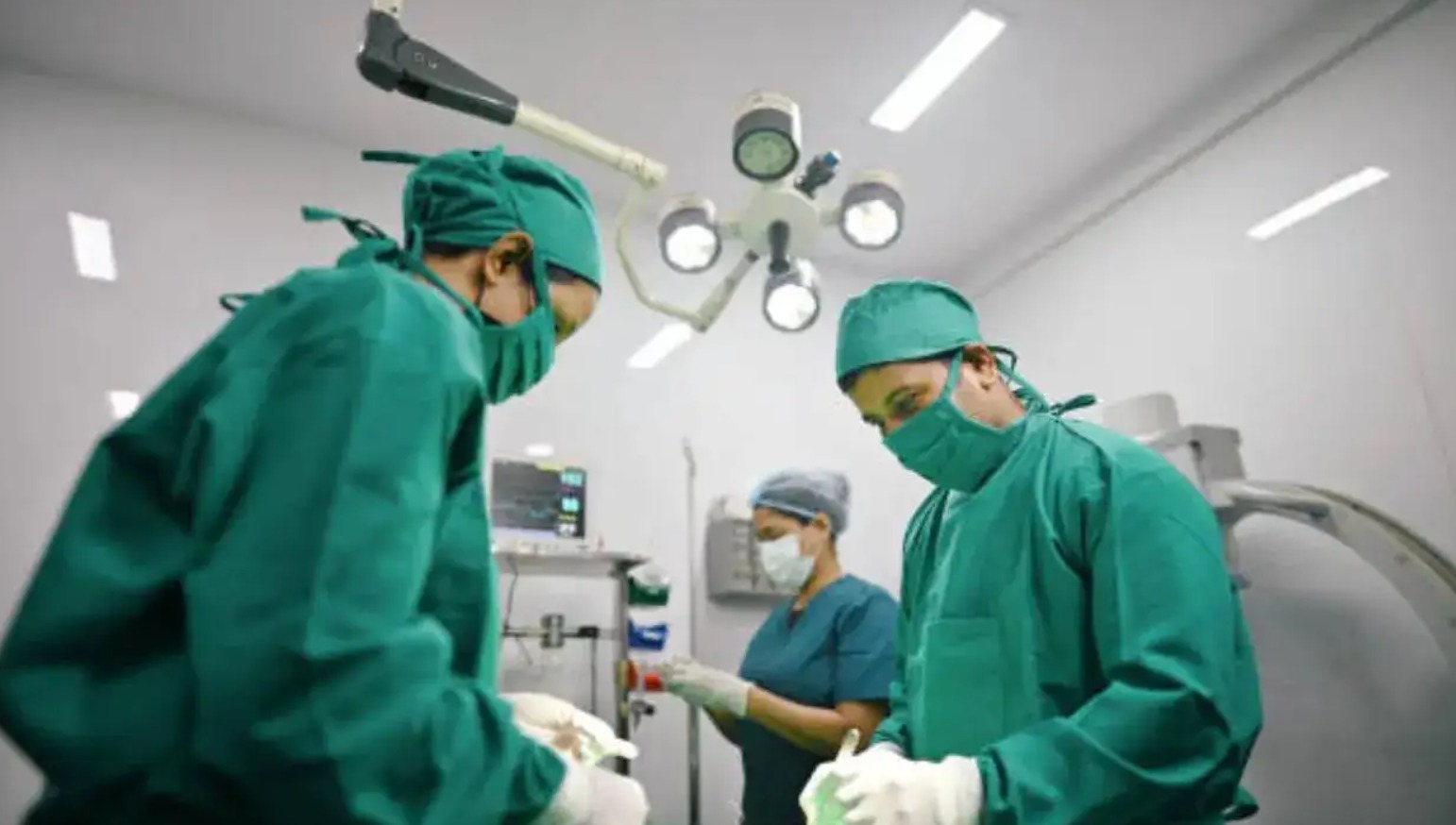
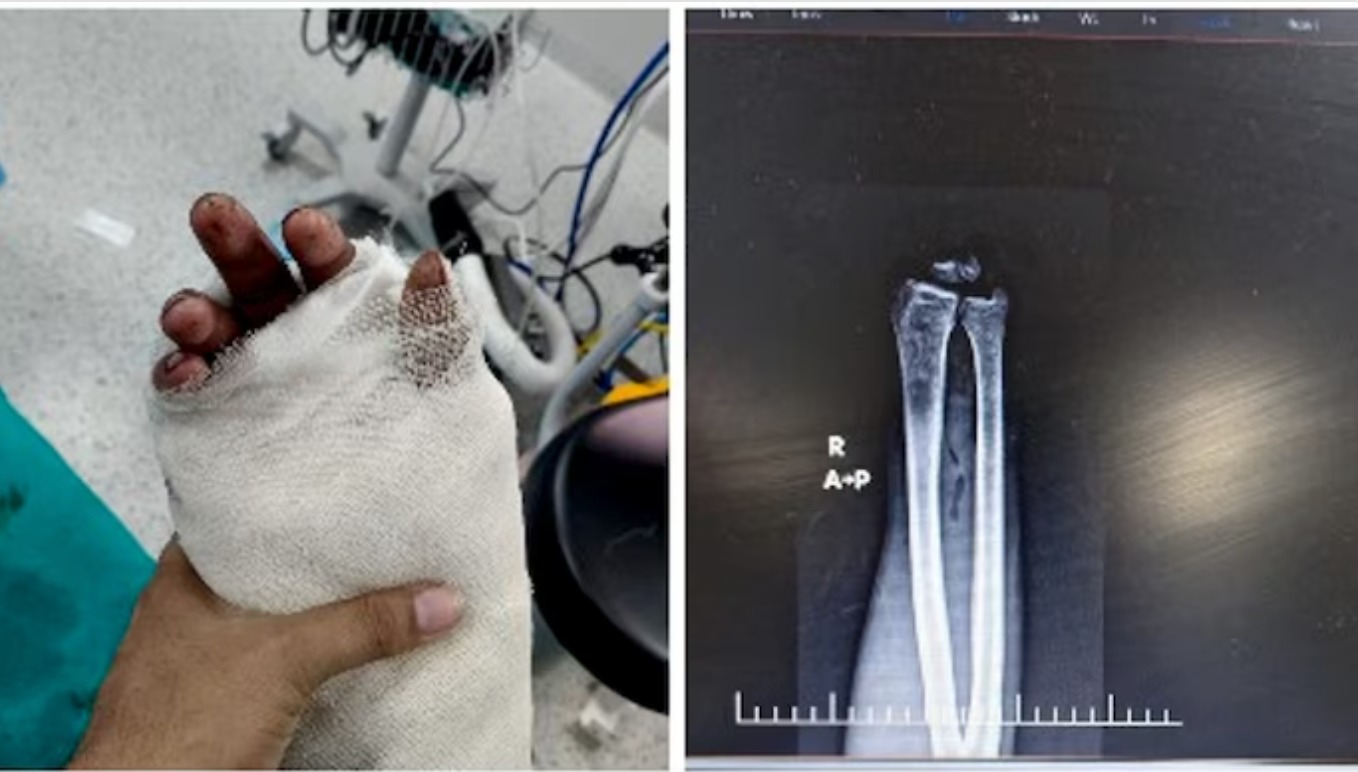
An 18-year-old from Hapur, Ghaziabad, has undergone a complex hand reimplantation surgery after completely losing his right hand in a construction-site accident in Ghaziabad. Doctors at Yashoda Medicity successfully restored blood circulation to the amputated hand following a seven-hour microsurgical procedure.The teenager, who works at a construction site, reportedly suffered a complete amputation of his right hand at the wrist on July 21 after his hand became trapped in a machine. He was rushed to the hospital with severe pain, active bleeding and significant blood loss. The amputated hand was transported with him, allowing doctors to assess him for emergency reimplantation.
What is hand reimplantation?
Hand reimplantation is a highly specialised microsurgical procedure in which a completely amputated limb or body part is surgically reattached. It is very different from simply stitching a wound. Surgeons may need to reconstruct and reconnect multiple structures, including bones, arteries, veins, tendons, nerves and soft tissues. In this case, the injury was particularly challenging because it involved a crush injury, rather than a clean amputation. Damaged tissues and blood vessels can make successful reconstruction more difficult.
Why time matters after amputation
Doctors emphasised that time is critical in traumatic limb amputation. Once blood supply is interrupted, tissues can become progressively damaged.
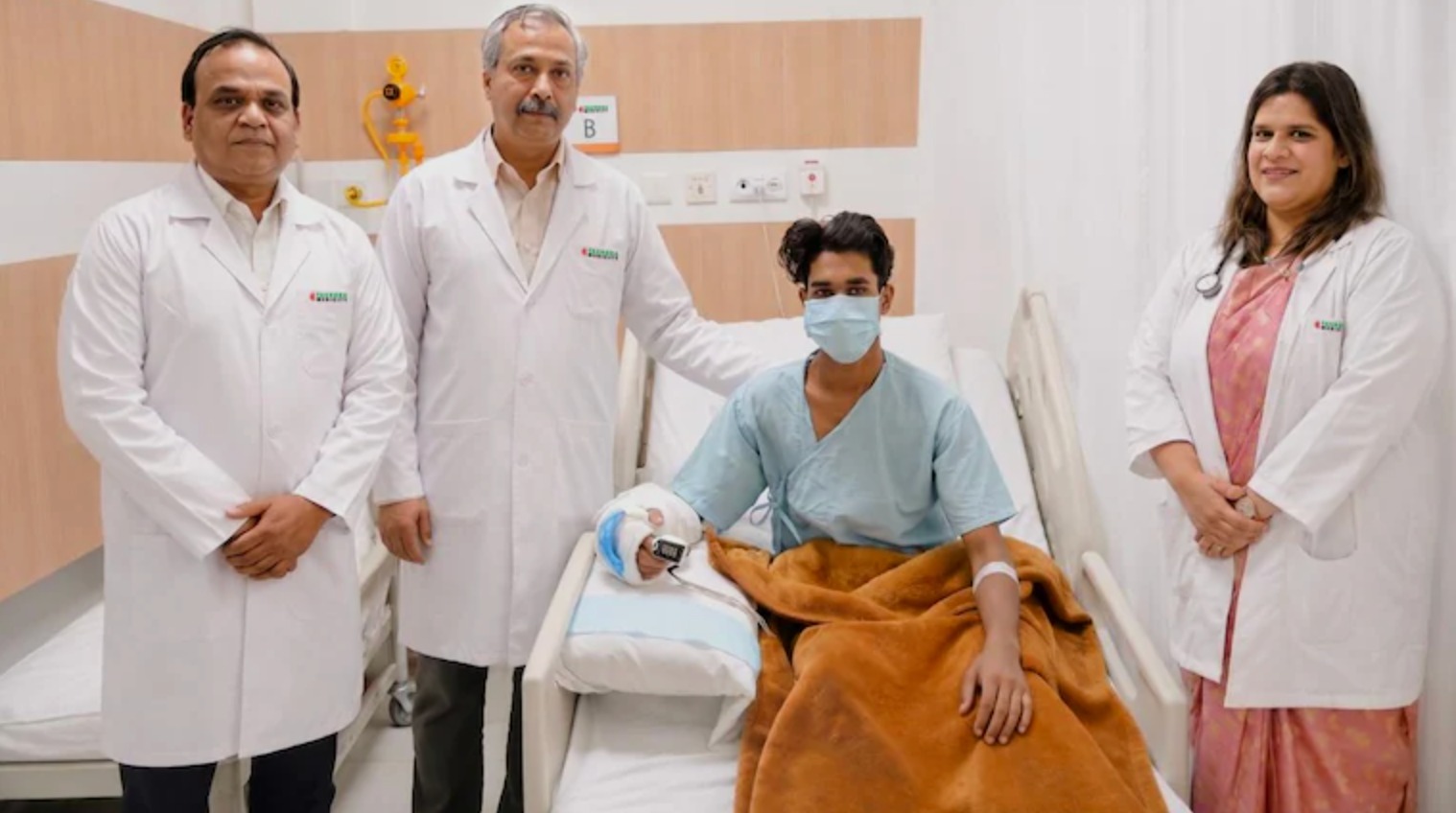
Dr Shobhit Sharma, Principal Consultant, Plastic, Aesthetic & Reconstructive Surgery at Yashoda Medicity, described the procedure as a “race against time”. According to the hospital, the patient's arrival within the appropriate treatment window played an important role in allowing surgeons to attempt reimplantation. “Every structure, from the smallest blood vessel to the tendons and nerves, had to be repaired under the microscope with utmost precision. The fact that the patient reached us within the golden window made a huge difference to the outcome. The hand now has restored blood supply,” he said.
The medical team first stabilised the fractured wrist bones to provide a structural foundation. Surgeons then used specialised microscopes to reconnect tiny blood vessels, arteries and veins, along with tendons and nerves. The anaesthesia team also closely monitored the patient because of his significant blood loss, with blood transfusion provided during the surgery to help maintain his stability.
Blood flow restored to the reattached hand
Following the seven-hour operation, blood circulation was restored to the replanted hand. The patient recovered well after surgery and was discharged in stable condition. However, doctors say recovery is likely to be a long process. Nerve healing, finger movement and sensation may take months to improve, and the patient will require regular medical follow-up and rehabilitation. “It will take time for the hand to recover to normal function, but we expect him to show steady clinical improvement over the coming months,” said Dr. Sharma. Physiotherapy is expected to play an important role once the initial healing period is complete, helping the patient gradually regain strength, mobility and function.
What should you do after a traumatic amputation?
Doctors stress that anyone suffering a traumatic amputation needs immediate emergency medical care. The priority is controlling severe bleeding, stabilising the injured person and arranging rapid transport to a facility capable of performing microsurgical reconstruction when appropriate. The amputated part should also be handled carefully and transported with the patient according to emergency medical guidance. Importantly, people should not delay hospital treatment while attempting to manage the injury themselves.




 Call: +91 9266610101