
 Call: +91 9266610101
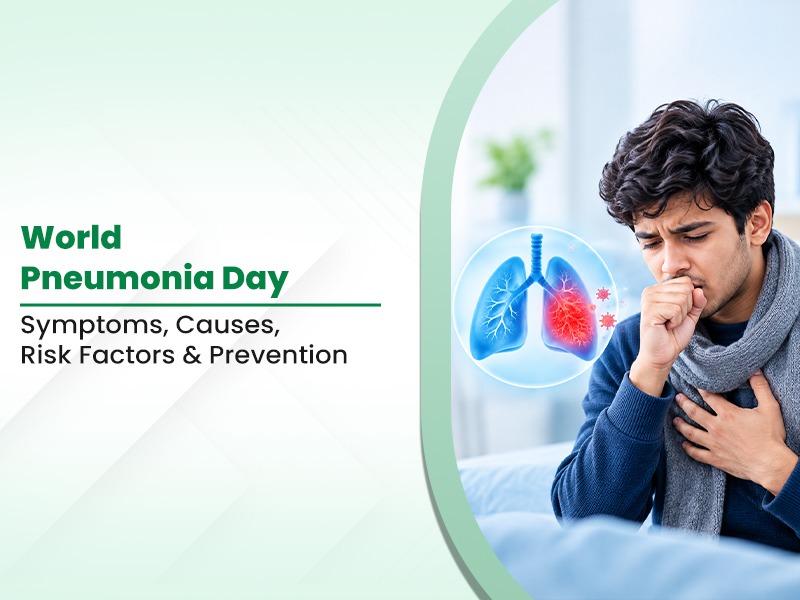
World Pneumonia Day: Symptoms, Causes, Risk Factors, and Prevention
Imagine feeling like every single breath requires immense physical effort while a deep, painful cough leaves you completely exhausted. World Pneumonia Day serves as a global call to action to spread critical awareness about this severe respiratory infection that affects millions worldwide. Many people mistake early respiratory distress for a simple cold, missing crucial opportunities for timely clinical care. Recognising the subtle warning signs early allows individuals to seek expert medical evaluation, protect lung health, and ensure a smooth recovery journey.
Understanding World Pneumonia Day
World Pneumonia Day is an annual global health initiative aimed at raising public awareness regarding respiratory health and promoting accessible infection prevention strategies. This dedicated day emphasises the importance of early diagnosis, community education, and advanced medical care to combat severe lung infections across all age groups.
Understanding the core objectives of this awareness day helps families take proactive steps towards respiratory health:
- Promoting Respiratory Disease Awareness: Educating the public about the signs of severe lung infections encourages individuals to seek immediate clinical help.
- Encouraging Preventive Vaccination Programs: Spreading knowledge about available vaccines helps protect vulnerable populations from serious bacterial and viral infections.
- Improving Access to Emergency Healthcare: Highlighting healthcare infrastructure ensures patients know where to access immediate respiratory care during acute crises.
- Building Healthier Living Environments: Advocating for cleaner indoor air, proper sanitation, and healthy lifestyle choices reduces community-wide infection rates.
Participating in World Pneumonia Day activities equips communities with essential information to safeguard vulnerable family members against progressive lung damage.
Identifying Common Pneumonia Symptoms
Pneumonia causes inflammation in the tiny air sacs of one or both lungs, which may fill with fluid or cellular debris. Recognising the signs early is vital because symptom intensity can escalate rapidly from mild discomfort to severe breathing difficulty, making immediate access to the best emergency hospital in Delhi NCR essential for timely clinical care.
Key clinical symptoms to monitor closely include:
- Persistent Cough with Mucus: Experiencing an ongoing cough that produces clear, yellow, or greenish phlegm alongside chest tightness.
- High Fever and Chills: Developing a sudden elevated body temperature accompanied by severe shivering, sweating, and general bodily weakness.
- Shortness of Breath and Wheezing: Finding it increasingly difficult to catch your breath during routine physical movements or even while resting quietly.
- Sharp or Stabbing Chest Pain: Feeling localised chest pain that sharpens significantly when taking deep breaths or coughing.
- Unexplained Fatigue and Confusion: Experiencing overwhelming bodily exhaustion, loss of appetite, or sudden mental confusion, particularly in older individuals.
Promptly identifying these symptoms allows patients to consult healthcare professionals before severe lung inflammation causes oxygen deprivation.
Exploring Main Pneumonia Causes
Pneumonia develops when harmful infectious microorganisms invade the respiratory system and overcome the body’s natural immune defenses. Identifying these causative agents helps medical specialists choose the most effective treatment strategies for patient recovery.
Primary infectious causes of lung inflammation include:
- Bacterial Infections: Common bacterial pathogens often cause acute single-lobe lung infections following a minor upper respiratory illness.
- Viral Pathogens: Common respiratory viruses, including influenza and seasonal viruses, frequently trigger mild to moderate lung inflammation.
- Fungal Organisms: Inhaling environmental fungal spores can cause persistent lung infections, especially in individuals with weakened immune systems.
- Aspiration Hazards: Accidentally inhaling food particles, liquids, saliva, or chemical fumes into the lungs can cause chemical irritation and bacterial infection.
- Hospital-Acquired Microbes: Exposure to resistant micro-organisms during prolonged hospital stays or intensive medical treatments requires specialised intervention.
Understanding these underlying causes allows physicians to perform targeted diagnostic testing and prescribe appropriate therapeutic medications.
Recognising Key Risk Factors
While anyone can contract a lung infection, specific biological and environmental factors significantly increase an individual's vulnerability to severe respiratory complications. Understanding your personal risk profile is essential for implementing timely preventive measures.
Major risk factors for acute respiratory infections include:
- Age Extremes: Infants and young children, alongside older adults, have delicate or naturally declining immune defences against respiratory pathogens.
- Chronic Health Conditions: Managing long-term illnesses like asthma, chronic obstructive pulmonary disease, heart disease, or diabetes weakens lung resilience.
- Compromised Immune Function: Individuals undergoing chemotherapy, organ transplants, or managing autoimmune conditions face elevated infection risks.
- Environmental Pollutants and Smoking: Frequent exposure to tobacco smoke, industrial chemicals, or severe air pollution damages the respiratory lining.
- Recent Upper Respiratory Infections: Recovering from a severe cold or viral flu leaves the respiratory tract vulnerable to secondary bacterial invasion.
Recognising these vulnerabilities prompts high-risk individuals to seek early medical evaluations and implement protective lifestyle adjustments.
Exploring Modern Treatment Options
Modern clinical care has transformed the management of respiratory infections, offering advanced therapies that accelerate healing and relieve breathing discomfort. Treatment plans are customised based on the underlying infection type, overall health status, and symptom severity.
Leading therapeutic approaches for lung recovery include:
- Targeted Antimicrobial Therapies: Utilising specific prescription antibiotics or antiviral medications to eliminate the invading infectious organisms.
- Respiratory Support and Oxygen Therapy: Administering supplemental oxygen to maintain healthy oxygen saturation levels during acute breathing difficulties.
- Hospitalisation and Emergency Services: Accessing continuous monitoring and intensive medical support at the Best Emergency hospital in Delhi NCR during sudden respiratory crises.
- Expert Pulmonary Consultations: Working with experienced lung specialists to receive comprehensive diagnostic evaluations, advanced imaging tests, and personalised rehabilitation programmes tailored to your recovery needs.
- Supportive Inhalation Treatments: Using nebulisers and bronchodilators to open airways, clear mucus congestion, and restore comfortable breathing.
Receiving timely care at the Best Hospital in Delhi NCR ensures patients benefit from advanced diagnostic technology, specialised medical expertise, and rapid clinical recovery protocols. We at Yashoda Medicity are deeply dedicated to protecting your lung health through modern diagnostic technology, personalised patient care, and round-the-clock emergency support. Our expert team at Yashoda Medicity works tirelessly to deliver compassionate treatment plans that restore comfortable breathing and overall physical vitality.
Preventing Pneumonia: Effective Strategies
Preventing respiratory infections requires a combination of timely clinical interventions, rigorous hygiene practices, and healthy lifestyle choices. Taking proactive preventive steps builds a resilient defence against airborne pathogens.
Essential daily habits for preserving lung health include:
- Getting Recommended Vaccinations: Receiving annual flu shots and recommended pneumococcal vaccines to shield your lungs against common infectious strains.
- Practising Rigorous Hand Hygiene: Washing hands frequently with soap and water or using alcohol-based sanitisers to eliminate lingering pathogens.
- Avoiding Tobacco and Secondhand Smoke: Eliminating smoking to protect the delicate cilia and tissue linings inside your airways.
- Maintaining a Healthy Immune System: Consuming a nutrient-rich diet, engaging in regular physical movement, and prioritising restful sleep to strengthen natural immunity.
- Ensuring Good Indoor Ventilation: Keeping indoor living and working spaces well-ventilated to reduce the concentration of airborne pollutants and microbes.
Adopting these healthy practices minimises infection risks, protects respiratory capacity, and supports long-term physical wellness.
Conclusion
Understanding the symptoms, causes, risk factors, and prevention of pneumonia is essential for protecting your respiratory health on World Pneumonia Day. Seeking timely medical guidance at the Best Hospital in Delhi NCR ensures access to accurate diagnostic testing and advanced treatment options. We at Yashoda Medicity are committed to providing exceptional pulmonary care and personalised treatment plans to safeguard your lung health. Take charge of your physical well-being today by scheduling a comprehensive respiratory evaluation with our specialists to protect your health for the future. Book your consultation at Yashoda Medicity today!