
 Call: +91 9266610101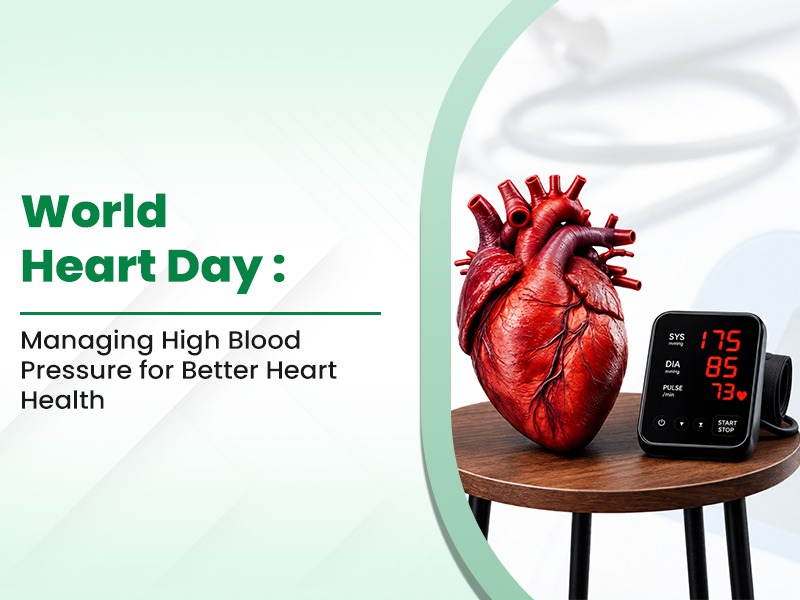
World Heart Day: Managing High Blood Pressure for Better Heart Health
Every single second, your heart beats without asking for a break, pumping blood through your body to keep you moving, working, and living. Yet, high blood pressure can develop without noticeable symptoms and remain undetected for years. As World Heart Day approaches on September 29, it is an opportunity to pay attention to your cardiovascular health and understand how blood pressure affects the heart and blood vessels. High blood pressure, often called a silent condition because it may not cause noticeable symptoms, is a major risk factor for heart disease and stroke. Understanding how hypertension affects the body and learning how to manage it can support better cardiovascular health for you and your loved ones.
The Hidden Danger of the Silent Killer
High blood pressure, or hypertension, occurs when the force of blood against the walls of your blood vessels remains consistently elevated. Think of it like a garden hose. If the water pressure remains too high for too long, the hose can experience increased strain. In the body, persistently elevated blood pressure places additional stress on the heart and blood vessels.
What makes hypertension particularly concerning is that it often does not cause noticeable symptoms. Many people with high blood pressure may feel completely well and may not experience headaches, dizziness, or chest pain. Over time, uncontrolled hypertension can contribute to damage of the blood vessels and increase the risk of conditions such as heart attack, stroke, heart failure, and kidney disease.
Understanding Your Numbers
Taking care of your heart starts with knowing your blood pressure. Blood pressure readings are recorded as two numbers:
- Systolic Pressure (Top Number): Measures the pressure in your arteries when your heart contracts and pumps blood.
- Diastolic Pressure (Bottom Number): Measures the pressure in your arteries when your heart relaxes between beats.
A blood pressure reading around 120/80 mmHg is generally considered within the normal range. Blood pressure categories can vary across clinical guidelines, and a consistently elevated reading should be interpreted by a healthcare professional in the context of repeated measurements and individual health factors. Checking your blood pressure regularly, whether at a clinic or with a validated home monitor, can help identify persistently elevated readings.
Lifestyle Changes That Make a Real Difference
Managing high blood pressure does not require completely changing your lifestyle overnight. Small, consistent adjustments to daily routines can support healthier blood pressure levels and overall cardiovascular health.
Nourish Your Body with Heart-Healthy Foods
Your dietary habits can influence blood pressure and cardiovascular health. Reducing excessive sodium intake is an important part of blood pressure management. Processed foods, packaged meals, and many ready-to-eat foods can contain high amounts of sodium, so choosing fresh, minimally processed foods where possible can help.
Focus on a balanced diet that includes a variety of fruits, vegetables, whole grains, legumes, lean proteins, and healthy fats such as those found in nuts and olive oil. Foods containing potassium, including bananas, spinach, and sweet potatoes, can form part of a balanced diet, although people with kidney disease or certain medical conditions may need to discuss potassium intake with their healthcare provider. Clinical dietitians at Yashoda Medicity can provide personalised nutritional guidance based on individual health requirements.
Get Your Body Moving
Regular physical activity can support healthy blood pressure and cardiovascular fitness. For many adults, at least 150 minutes of moderate-intensity aerobic activity per week is a commonly recommended target, provided it is appropriate for their health and fitness level.
You do not need to run marathons to stay active. Brisk walking, cycling, swimming, and other enjoyable activities can be incorporated into your routine. If you have an existing medical condition or are new to exercise, speak with a healthcare professional about an appropriate level of physical activity.
Prioritise Restful Sleep and Stress Management
Long-term stress can affect cardiovascular health and may contribute to unhealthy behaviours that influence blood pressure. Relaxation techniques such as deep breathing, yoga, reading, or spending time in nature may help support stress management.
Quality sleep is also important for overall cardiovascular health. Most adults generally need around seven to nine hours of sleep each night. Persistent sleep difficulties or symptoms such as loud snoring and excessive daytime sleepiness should be discussed with a healthcare professional, as sleep disorders can also affect cardiovascular health.
Our Commitment to Your Heart Journey
At Yashoda Medicity, we believe that taking care of cardiovascular health involves informed choices, regular monitoring, and appropriate medical guidance. Our cardiac care services support the evaluation and management of conditions such as high blood pressure through clinical assessment, diagnostic testing, medication management, and personalised lifestyle guidance.
Partnering with Healthcare Professionals
While healthy lifestyle habits are an important part of blood pressure management, medical guidance may be necessary when blood pressure remains elevated or when other cardiovascular risk factors are present. Consulting the cardiology team at Yashoda Medicity can help evaluate your blood pressure and determine an appropriate management plan.
It is important to take prescribed blood pressure medications exactly as directed by your physician. Do not stop taking them or change the dosage without medical advice, even if you feel well. Regular follow-up appointments allow your healthcare provider to monitor blood pressure, assess treatment response, and adjust medication or other aspects of your management plan when required.
Making Every Heartbeat Count
World Heart Day serves as a reminder that cardiovascular health is supported by consistent, everyday choices. High blood pressure may not always cause noticeable symptoms, but regular monitoring and appropriate management can help reduce associated health risks. Maintaining a balanced diet, staying physically active, managing stress, getting adequate sleep, and seeking medical advice when needed can all contribute to better heart health.
If you are concerned about your blood pressure or cardiovascular risk, schedule a heart health consultation at Yashoda Medicity and discuss your health needs with our cardiology team.