
 Call: +91 9266610101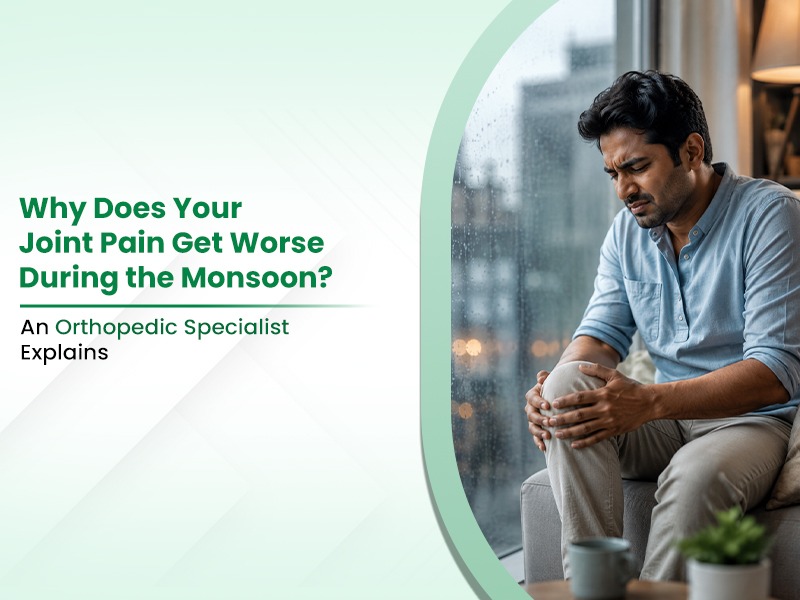
Why Does Your Joint Pain Get Worse During the Monsoon? An Orthopedic Specialist Explains
Monsoon weather can make joint stiffness and discomfort more noticeable, particularly in people living with arthritis, previous joint injuries, or other musculoskeletal conditions. Changes in temperature, atmospheric pressure, daily activity levels, and routine may influence how existing joint problems are experienced during the rainy season.
For some people, this can make everyday activities such as climbing stairs, walking, or getting out of bed more uncomfortable than usual. While weather does not directly cause joint disease, understanding the factors that may aggravate symptoms can help you manage your joint health better during the monsoon.
Click here: Best Orthopedics Oncology in Ghaziabad
Changes in Atmospheric Pressure and Joint Discomfort
Atmospheric or barometric pressure can change before and during rainy weather. Some people with arthritis or other chronic joint conditions may notice increased stiffness or discomfort during these changes.
One possible explanation is that changes in atmospheric pressure may affect tissues surrounding already inflamed or sensitive joints. However, the relationship between weather changes and joint pain varies from person to person and may depend on the underlying joint condition.
If recurring joint pain is affecting your mobility, an orthopaedic evaluation can help identify the underlying cause and determine appropriate treatment.
Increased Humidity and Joint Discomfort
High humidity is often associated with a feeling of heaviness and discomfort, particularly among people with existing arthritis or joint problems. While humidity itself does not cause arthritis, changes in weather conditions may influence symptoms in some individuals.
Prolonged rainy weather can also reduce outdoor activity, resulting in less movement throughout the day. This decrease in physical activity can contribute to stiffness and reduced joint mobility.
Cooler Temperatures and Morning Stiffness
Lower temperatures during the monsoon can cause muscles and soft tissues around the joints to feel tighter. This may make movement more difficult, especially after long periods of rest or inactivity.
People with osteoarthritis, rheumatoid arthritis, previous joint injuries, or other musculoskeletal conditions may experience greater stiffness during cooler weather. Gentle movement and appropriate warm-up exercises can help improve flexibility and ease stiffness.
Reduced Physical Activity During the Rainy Season
Frequent rain often means spending more time indoors and being less physically active. Prolonged sitting or inactivity can cause muscles to become tight and joints to feel stiff.
Regular movement helps maintain muscle strength, flexibility, and joint mobility. Simple indoor activities such as stretching, walking, yoga, or other low-impact exercises can help reduce stiffness caused by prolonged inactivity.
Click here: Best Orthopedics in Ghaziabad
Changes in Routine and Pain Perception
The monsoon can also affect daily routines, sleep patterns, and physical activity. Poor sleep, reduced movement, and fatigue can influence how a person experiences existing pain.
For people already living with arthritis or chronic joint conditions, these changes may make symptoms feel more noticeable during the rainy season.
Why Joint Pain May Feel Worse During the Monsoon
Several factors may contribute to increased joint discomfort during the rainy season:
- Changes in atmospheric pressure: Some individuals may experience increased stiffness or discomfort during weather changes.
- Cooler temperatures: Muscles and soft tissues may feel tighter, making movement more difficult.
- Reduced physical activity: Spending more time indoors can contribute to stiffness and reduced mobility.
- Existing joint conditions: Arthritis, previous injuries, and other musculoskeletal conditions may become more symptomatic during seasonal changes.
- Changes in sleep and routine: Poor sleep, fatigue, or reduced activity can influence pain perception.
Daily Joint Care During the Monsoon
Simple lifestyle measures can help manage stiffness and maintain joint mobility during the rainy season.
Stay Physically Active
Try to maintain regular movement even when outdoor activity is limited. Gentle stretching, yoga, walking indoors, or other low-impact exercises can help maintain flexibility and joint mobility.
Keep Your Body Warm
Comfortable clothing and warm compresses may help ease muscle tension and stiffness. Avoid prolonged exposure to cold temperatures, particularly if they make your symptoms worse.
Maintain a Healthy Weight
Excess body weight can place additional stress on weight-bearing joints such as the knees and hips. Maintaining a healthy weight can support long-term joint health and mobility.
Stay Hydrated and Eat a Balanced Diet
Adequate hydration and a balanced diet containing vegetables, fruits, whole grains, nuts, and adequate protein support overall bone, muscle, and joint health.
Avoid Prolonged Inactivity
Even when you are indoors, take regular movement breaks rather than remaining seated for extended periods. Short walks and gentle stretches throughout the day can help prevent stiffness.
Pay Attention to Persistent Pain
Occasional stiffness may improve with movement and routine care, but persistent or worsening pain should not be ignored. It may indicate an underlying joint condition that requires medical evaluation.
When Should You Consult an Orthopaedic Specialist?
You should consider consulting an orthopaedic specialist if joint pain:
- Persists for several weeks
- Is becoming progressively worse
- Causes significant swelling, warmth, or redness
- Limits walking or other daily activities
- Occurs following an injury
- Is associated with joint instability
- Causes persistent morning stiffness
- Reduces your range of motion
- Interferes with sleep or regular activities
An orthopedic evaluation can help determine whether symptoms are related to arthritis, an old injury, ligament or cartilage damage, or another underlying musculoskeletal condition.
Conclusion
Seasonal changes may make joint stiffness and discomfort more noticeable for some people, particularly those with existing arthritis or musculoskeletal conditions. Maintaining regular physical activity, avoiding prolonged inactivity, and addressing persistent symptoms early can help support better joint health and mobility.
The Yashoda Institute of Orthopedics, Joint Replacement & Sports Medicine at Yashoda Medicity provides comprehensive evaluation and treatment for a range of bone, joint, and sports-related conditions. Consulting an orthopedic specialist can help identify the cause of persistent joint pain and determine an appropriate treatment plan.
Also Read: Why Is Back Pain Becoming a Major Issue for Office Employees?
FAQs
1. Can monsoon weather make joint pain worse?
Some people with arthritis or existing joint conditions report increased stiffness or discomfort during changes in temperature and atmospheric pressure. However, the effect varies from person to person.
2. Why do my joints feel stiff during the rainy season?
Cooler temperatures, reduced physical activity, prolonged sitting, and changes in daily routines may contribute to joint stiffness during the monsoon.
3. Can inactivity during the monsoon increase joint stiffness?
Yes. Staying inactive for long periods can cause muscles to become tight and reduce joint mobility, making movement more uncomfortable.
4. What can I do to manage joint stiffness during the monsoon?
Regular gentle exercise, stretching, maintaining a healthy weight, staying active indoors, and using warm compresses may help manage stiffness. Persistent symptoms should be evaluated by a doctor.
5. When should I see an orthopedic specialist for joint pain?
Consult an orthopedic specialist if the pain is persistent, worsening, associated with swelling or injury, or affecting your ability to walk and perform daily activities.