
 Call: +91 9266610101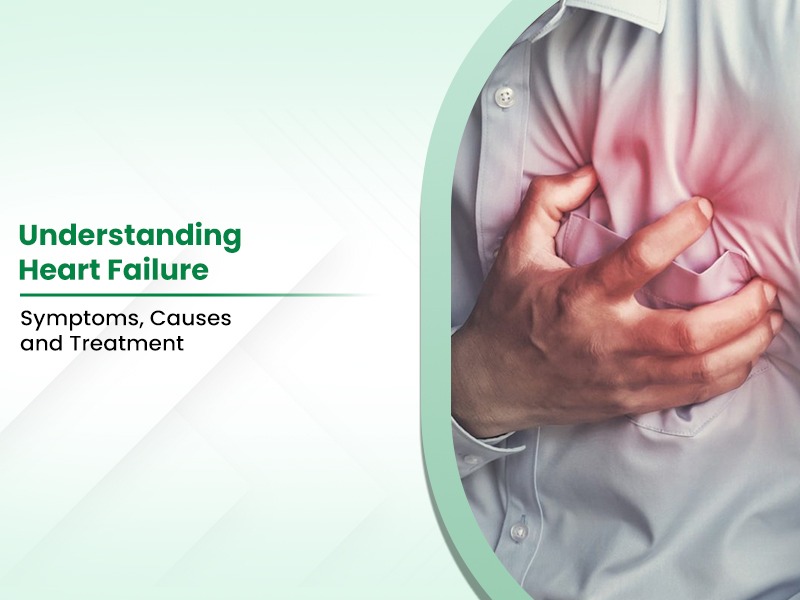
Understanding Heart Failure: Symptoms, Causes and Treatment
Early recognition of heart failure symptoms and timely medical evaluation can help identify the underlying cause and guide appropriate treatment. Heart failure occurs when the heart cannot pump enough blood to meet the body's needs, although symptoms and severity can vary between patients. Consulting the best CTVS surgeon in Delhi NCR may be appropriate for patients with structural or coronary heart conditions that require surgical assessment, while cardiologists manage many aspects of heart failure through medical and interventional care.
Recognising Early Warning Signs
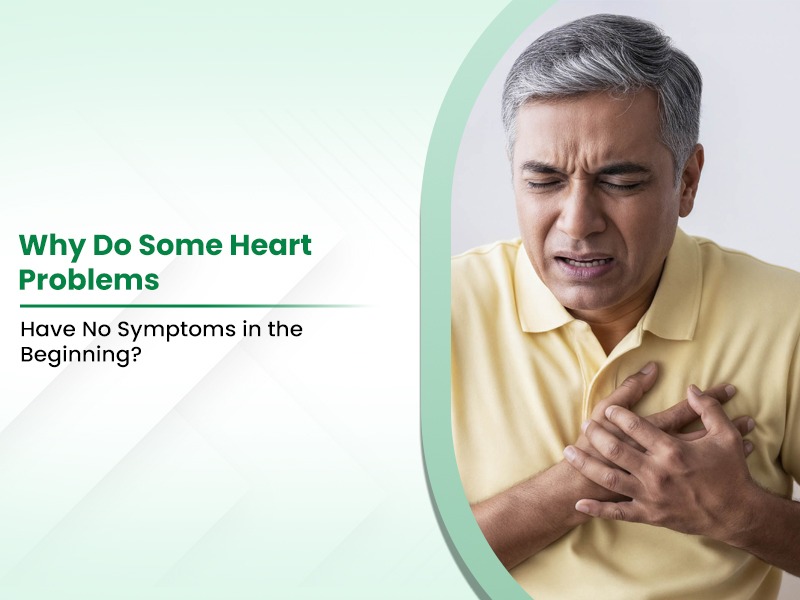
Recognising possible symptoms of heart failure is important because they can develop gradually or become more noticeable as the condition progresses. Timely evaluation by a best heart specialist in Delhi NCR can help determine whether these symptoms are related to heart failure or another medical condition.
- Shortness of Breath: Breathlessness may occur during physical activity or when lying down. Fluid accumulation in or around the lungs can contribute to breathing difficulties.
- Swelling: Fluid retention may cause swelling in the feet, ankles, legs, or abdomen.
- Fatigue and Tiredness: Reduced cardiac output can contribute to persistent tiredness and reduced exercise tolerance.
- Rapid or Irregular Heartbeat: Some patients may experience a fast, irregular, or fluttering heartbeat, particularly when an underlying rhythm disorder is present.
- Persistent Coughing or Wheezing: Fluid congestion in the lungs can cause persistent coughing or wheezing. Pink or blood-tinged, frothy sputum can occur in severe pulmonary congestion and requires urgent medical attention.
Key Underlying Causes
Heart failure can develop due to several cardiovascular conditions that affect the heart muscle, valves, rhythm, or blood supply. Common causes include:
- Coronary Artery Disease: Reduced blood flow through the coronary arteries can damage the heart muscle and contribute to heart failure.
- High Blood Pressure: Long-standing hypertension can place increased strain on the heart and contribute to structural and functional changes.
- Heart Valve Disorders: Diseased or damaged valves can affect the normal flow of blood through the heart and may contribute to heart failure.
- Cardiomyopathy: Diseases of the heart muscle can cause it to become enlarged, thickened, stiff, or weakened.
- Congenital Heart Conditions: Structural heart abnormalities present from birth can affect cardiac function and may contribute to heart failure in some patients.
Other causes can include abnormal heart rhythms, myocarditis, certain metabolic conditions, and some treatments or medications that affect cardiac function.
Modern Diagnostic Approaches
Diagnosing heart failure involves a combination of medical history, physical examination, blood tests, ECG, and appropriate cardiac imaging. Further investigations are selected according to the patient's symptoms and suspected underlying cause.
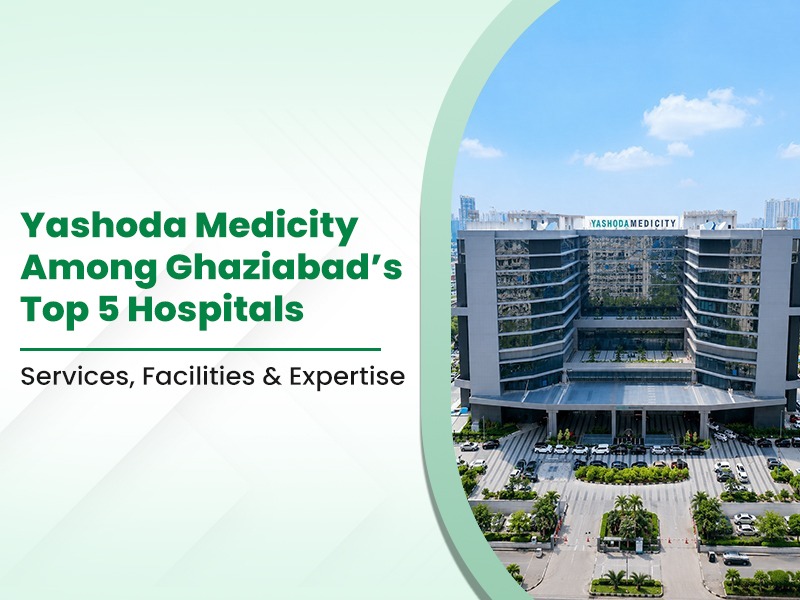
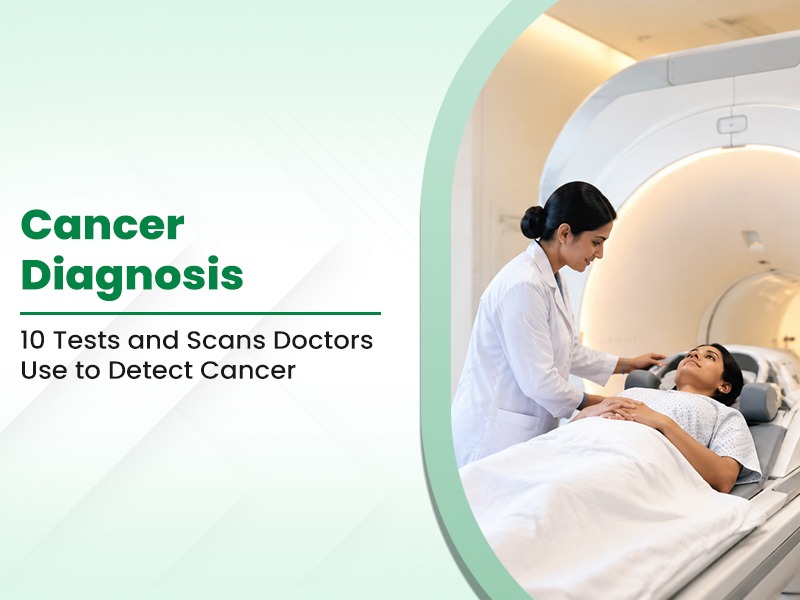
At Yashoda Medicity, cardiac evaluation may include cardiac MRI, 3D echocardiography, and cardiac catheterisation when clinically indicated. These investigations can help assess cardiac structure, pumping function, valve abnormalities, coronary artery disease, and other conditions contributing to heart failure.
Consulting an experienced best heart specialist in Delhi NCR can help determine which diagnostic tests are appropriate for the individual patient.
Comprehensive Treatment Strategies
Treatment for heart failure depends on its type, severity, underlying cause, and overall health. Management may include medication, lifestyle measures, devices, interventional procedures, or surgery when clinically indicated.
- Guideline-Directed Medical Therapy: Medicines may be prescribed to manage blood pressure, reduce fluid overload, control heart rate, or improve cardiac function depending on the type of heart failure.
- Implantable Devices: Selected patients may benefit from devices such as pacemakers, Cardiac Resynchronisation Therapy (CRT), or Implantable Cardioverter-Defibrillators (ICDs).
- Minimally Invasive Procedures: Transcatheter procedures such as TAVI/TAVR or other structural heart interventions may be considered for selected patients with specific valve conditions.
- Revascularisation and Cardiac Surgery: Coronary artery bypass grafting (CABG), valve repair or replacement, and other cardiac procedures may be recommended when an underlying condition requires surgical treatment.
At Yashoda Medicity, the surgical unit is headed by Dr. Rachit Saxena, Director and Unit Head of Cardio Thoracic and Vascular Surgery. His areas of expertise include off-pump bypass surgery, minimally invasive valve procedures, and other complex cardiac surgical procedures. Dr. Manish Aggarwal, Director, Interventional Cardiology and Structural Heart, specialises in complex transcatheter procedures and structural heart interventions.
Managing the Risk of Disease Progression
Heart failure requires ongoing medical management and follow-up. Identifying and treating the underlying cause, taking prescribed medicines as directed, monitoring symptoms, and attending regular follow-up appointments can help manage the condition and reduce the risk of further deterioration.
Patients should seek medical attention if they develop worsening breathlessness, rapidly increasing swelling, sudden weight gain, chest pain, fainting, or other significant changes in symptoms.
Lifestyle Habits for Long-Term Management
Lifestyle measures can complement medical treatment and should be tailored to the patient's condition and doctor's recommendations.
- Sodium Intake: Limiting excessive salt intake may help manage fluid retention in appropriate patients.
- Physical Activity: Regular, medically appropriate physical activity may support cardiovascular health and functional capacity.
- Weight Monitoring: Regular weight monitoring can help identify sudden changes that may indicate fluid retention.
- Stress and Sleep: Maintaining adequate sleep and adopting appropriate stress-management practices can support overall cardiovascular health.
Conclusion
Understanding the symptoms, causes, and treatment options for heart failure can help patients seek appropriate medical care at the right time. Consulting an experienced Best CTVS surgeon in Delhi NCR can be particularly relevant when heart failure is associated with coronary artery disease, valve disease, or another condition requiring surgical assessment.
At Yashoda Medicity, cardiology and cardiothoracic teams provide diagnostic evaluation, medical management, interventional procedures, and cardiac surgery according to the patient's condition and clinical requirements. Schedule a consultation with the appropriate cardiac specialist through the Yashoda Medicity online appointment system.
FAQs
1. What are the early warning signs of heart failure?
Common symptoms include breathlessness, swelling of the legs or ankles, persistent fatigue, reduced exercise tolerance, and rapid or irregular heartbeats. Persistent coughing or wheezing may also occur in patients with fluid congestion.
2. What causes heart failure?
Common causes include coronary artery disease, long-standing high blood pressure, heart valve disease, cardiomyopathy, and certain congenital heart conditions. Other cardiovascular and systemic conditions can also contribute.
3. How is heart failure diagnosed at Yashoda Medicity?
Evaluation may include a clinical examination, ECG, blood tests, echocardiography, cardiac MRI, and other investigations such as cardiac catheterisation when clinically indicated. The appropriate tests depend on the patient's symptoms and suspected cause.
4. Does surgery at Yashoda Medicity help treat complicated cases of heart failure?
Surgery may be considered when heart failure is associated with conditions such as significant coronary artery disease or valve disease. Depending on the diagnosis, treatment may include bypass surgery, valve repair or replacement, or selected structural heart procedures.
5. How can lifestyle changes support heart failure management?
Following medical advice regarding salt intake, physical activity, weight monitoring, sleep, and stress management can complement prescribed treatment. Lifestyle recommendations should be individualised according to the patient's condition.