
 Call: +91 9266610101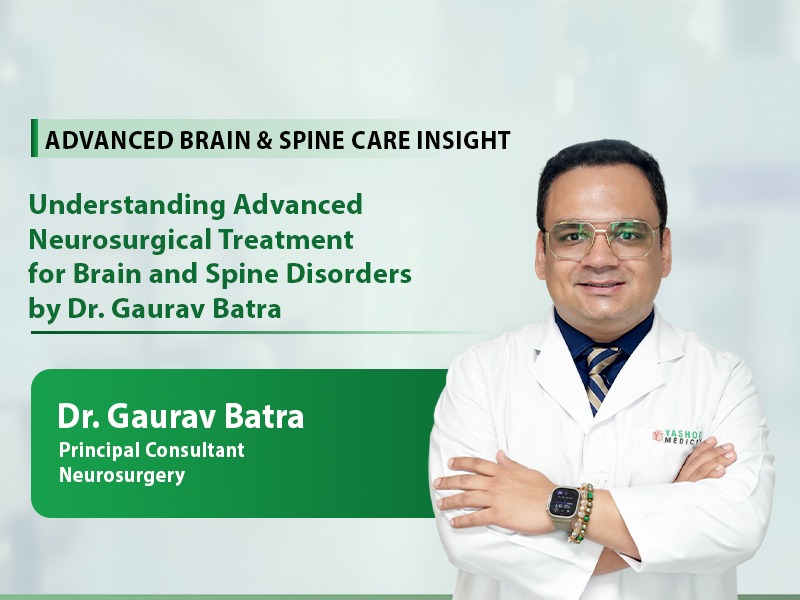
Understanding Advanced Neurosurgical Treatment for Brain and Spine Disorders by Dr. Gaurav Batra
Navigating conditions affecting the brain and spine requires specialised clinical expertise, careful evaluation, and precise treatment planning. When individuals face complex neurological or neurosurgical conditions, consulting an experienced neurosurgeon in Delhi NCR can help them better understand their diagnosis and available treatment options. The brain and spine play essential roles in mobility, cognition, sensation, and other vital functions, making appropriate and timely care important.
Modern Advances in Neurosurgery
The approach to neurosurgical care has evolved significantly over the years, with advances in imaging, surgical planning, minimally invasive techniques, and endoscopic procedures. Depending on the patient's condition, these approaches can help surgeons access and treat specific areas while aiming to preserve surrounding healthy structures.
Key advances used in modern neurosurgical practice include:
- Image-Guided Neurosurgery: Imaging and navigation techniques can support surgical planning and help surgeons identify important anatomical structures during complex procedures.
- Neuroendoscopy: Endoscopic techniques allow surgeons to access selected areas through smaller openings, depending on the condition and surgical approach.
- Microsurgical Techniques: Surgical magnification and specialised instruments can support precise treatment of complex brain and spine conditions.
- Minimally Invasive Approaches: Selected spine and cranial procedures may be performed using minimally invasive or endoscopic techniques when clinically appropriate.
Treating Complex Brain Conditions
Brain conditions often require careful evaluation to protect important cognitive, motor, sensory, and neurological functions while addressing the underlying condition. Depending on the diagnosis, neurosurgical treatment may be considered for structural abnormalities, vascular conditions, hydrocephalus, tumours, and other complex neurological disorders.
Common conditions that may require neurosurgical management include:
- Cerebrovascular Conditions: Selected cerebrovascular conditions, including aneurysms and other vascular abnormalities, may require specialised neurosurgical evaluation and treatment.
- Hydrocephalus: Surgical procedures, including neuroendoscopic techniques or shunt procedures, may be considered to manage cerebrospinal fluid accumulation.
- Skull Base and Pituitary Conditions: Endoscopic endonasal and other surgical approaches may be used to access selected lesions in these complex areas.
- Functional Neurological Conditions: Functional neurosurgical procedures and neuromodulation may be considered for selected movement disorders, epilepsy, and other neurological conditions.
- Trigeminal Neuralgia and Hemifacial Spasm: Procedures such as microvascular decompression may be considered for suitable patients.
Comprehensive Spine Care Solutions
Spinal conditions can affect mobility, sensation, and overall quality of life. The treatment approach depends on the underlying diagnosis, severity of symptoms, and the patient's individual clinical needs.
Dr. Gaurav Batra's expertise includes minimally invasive, endoscopic, and complex spine surgery. Depending on the condition, surgical treatment may involve:
- Spinal Decompression: Surgical procedures may be performed to relieve pressure on the spinal cord or nerve roots when clinically indicated.
- Spinal Stabilisation: Selected conditions involving spinal instability may require fixation or stabilisation procedures.
- Minimally Invasive and Endoscopic Spine Surgery: These approaches may be considered for suitable patients based on the location and nature of the spinal condition.
- Craniovertebral Junction Surgery: Specialised procedures may be required to address conditions affecting the junction between the skull and upper spine.
- Spine Tumour Surgery: Surgical treatment may be considered for selected benign or malignant tumours affecting the spine or spinal cord.
Minimally Invasive Surgical Approach
Minimally invasive and endoscopic surgical approaches have expanded treatment options for selected brain and spine conditions. However, the choice between an open, minimally invasive, or endoscopic procedure depends on several factors, including the location and complexity of the condition.
Potential benefits of minimally invasive approaches, when appropriate, may include:
- Smaller Surgical Access: Some procedures may be performed through smaller incisions or access points.
- Reduced Tissue Disruption: These techniques may help minimise disruption to surrounding tissues in selected cases.
- Recovery: Some patients may experience a shorter recovery period, depending on the procedure and their overall health.
- Individualised Surgical Planning: The surgical approach is selected based on the patient's diagnosis and clinical requirements.
Specialised Brain and Spine Tumour Care
Brain and spine tumours require a personalised approach based on factors such as the tumour type, location, size, grade, and overall health of the patient. Treatment may involve observation, surgery, radiation therapy, chemotherapy, or a combination of these approaches.
Expert neurosurgical care may involve:
- Brain Tumour Surgery: Surgical treatment may aim for maximum safe tumour removal while prioritising the preservation of neurological function.
- Spine and Spinal Cord Tumour Surgery: Selected tumours affecting the spine or spinal cord may require specialised surgical evaluation and management.
- Image-Guided Neurosurgery: Image-guided techniques may support surgical planning and the treatment of complex brain and spine conditions.
- Multidisciplinary Care: Depending on the diagnosis, treatment planning may involve collaboration between neurosurgeons, oncologists, radiation specialists, and other healthcare professionals.
Expert Care by Dr. Gaurav Batra
Patients seeking specialised evaluation can consult Dr. Gaurav Batra, Principal Consultant, Neurosurgery, who has expertise in complex brain and spine surgery. His areas of expertise include brain and spine tumour surgery, cerebrovascular and skull-base neurosurgery, endoscopic endonasal and pituitary surgery, minimally invasive and endoscopic spine surgery, neuroendoscopy, image-guided neurosurgery, epilepsy surgery, deep brain stimulation, craniovertebral junction surgery, and neurotrauma.
As a Brain, Spine Tumour & Minimally Invasive Neurosurgery Specialist, Dr. Batra follows an evidence-based and patient-centred approach, with treatment planning focused on precision, safety, functional preservation, and long-term outcomes.
Choosing Expert Neurological Care
Complex neurological and neurosurgical conditions often require coordinated care and access to appropriate diagnostic, surgical, and critical care facilities. A comprehensive approach may involve neurosurgeons and other specialists depending on the patient's diagnosis and treatment requirements.
Consulting an experienced Neurosurgeon in Delhi NCR can help patients understand their condition, evaluate available treatment options, and receive an individualised treatment plan based on their specific clinical needs.
Advanced Neurosurgical Care at Yashoda Medicity
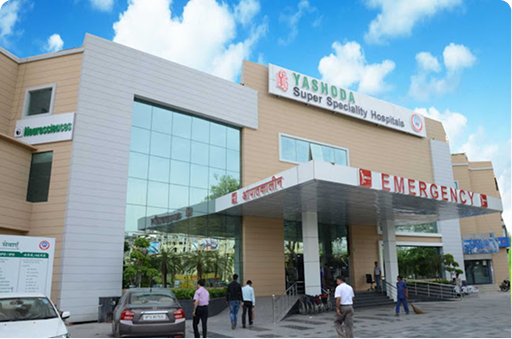
Brain and spine conditions require timely evaluation and an appropriate treatment approach. At Yashoda Medicity, patients can consult experienced neurosurgery specialists for the evaluation and management of a range of brain, spine, and neurological conditions.
With a focus on evidence-based care and individualised treatment planning, the neurosurgery team works to determine the most appropriate approach based on each patient's diagnosis and clinical requirements.
FAQs
Q1: Where can I consult a brain and spine specialist at Yashoda Medicity?
You can schedule a consultation with a neurosurgery specialist at Yashoda Medicity through the official appointment portal or by contacting the hospital's appointment helpline.
Q2: Does Dr. Gaurav Batra specialise in minimally invasive brain and spine surgery?
Dr. Gaurav Batra has expertise in minimally invasive and endoscopic spine surgery, neuroendoscopy, image-guided neurosurgery, and other advanced brain and spine procedures. The suitability of a specific surgical approach depends on the patient's condition.
Q3: Does Dr. Gaurav Batra treat complex brain and spine tumours?
Yes. Dr. Gaurav Batra's areas of expertise include complex brain and spine tumour surgery. The treatment approach depends on factors such as the tumour's type, size, location, and the patient's overall clinical condition.
Q4: What types of spine conditions can require neurosurgical treatment?
Depending on the diagnosis, neurosurgical treatment may be considered for spinal tumours, spinal cord or nerve compression, craniovertebral junction conditions, spine trauma, and other complex spinal disorders.
Q5: Why should I consult the Neurosurgery Department at Yashoda Medicity?
The Neurosurgery Department at Yashoda Medicity offers specialised consultation and care for a range of brain, spine, and neurological conditions. Treatment recommendations are based on a detailed evaluation of the patient's diagnosis, symptoms, and individual clinical requirements.