
 Call: +91 9266610101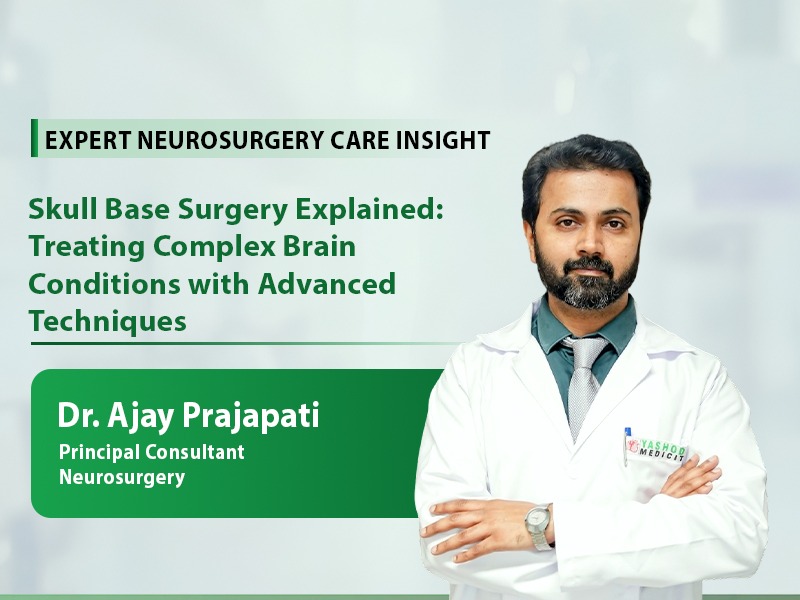
Skull Base Surgery Explained: Treating Complex Brain Conditions with Advanced Techniques
Dealing with a serious brain condition can seem intimidating, but advances in neurosurgery have expanded the possibilities for treating complex conditions involving the skull base. The area around the brain contains a network of nerves, major blood vessels, and critical neurological pathways. Historically, accessing these sensitive areas could require extensive surgical approaches and longer recovery periods. Today, advanced skull base surgery techniques allow surgeons to reach deep-seated lesions while aiming to preserve surrounding healthy tissue and neurological function.
What Is Skull Base Surgery?
Skull base surgery is a specialised area of neurosurgery dedicated to diagnosing and managing tumours, lesions, and certain vascular conditions located at the base of the skull. The skull base forms the floor of the cranial cavity and separates the brain from structures such as the nasal passages, sinuses, eyes, and ear canals.
Because these procedures involve working around critical nerves, blood vessels, and other delicate structures, they require highly skilled Neurosurgeon in Delhi NCR physicians. Modern skull base surgery may involve accessing lesions through natural openings, such as the nasal passages, or through carefully planned incisions, depending on the location and characteristics of the condition.
Conditions Treated with Advanced Techniques
Skull base procedures can be used to manage a range of complex conditions, including benign and malignant tumours, as well as certain vascular and structural abnormalities. Yashoda Medicity uses advanced diagnostic technologies and surgical techniques to support the evaluation and management of complex brain conditions. Common conditions treated through skull base procedures include:
- Pituitary Tumors: Abnormal growths in the pituitary gland that may affect hormone levels or put pressure on the optic nerves.
- Meningiomas: Tumours arising from the protective membranes surrounding the brain and spinal cord, including those located at the skull base.
- Acoustic Neuromas (Vestibular Schwannomas): Non-cancerous tumours affecting the hearing and balance nerves near the inner ear.
- Chordomas and Chondrosarcomas: Rare bone-related tumours that can develop at the base of the skull.
- Cranial Nerve Neuralgias: Conditions involving cranial nerves that can cause severe facial pain, such as trigeminal neuralgia.
- Cerebrospinal Fluid (CSF) Leaks: Abnormal openings that allow cerebrospinal fluid to leak through the nose or ears.
Endoscopic vs Open Surgical Approaches
Depending on the exact location, size, and nature of the lesion, surgical teams may use minimally invasive endoscopic techniques or open surgical approaches.
- Endoscopic Endonasal Approach: Guided by a skilled minimally invasive brain & spine surgery specialist, surgeons access selected lesions through the natural nasal passages using slender endoscopes. This approach avoids external facial incisions and may reduce the need for brain retraction. It can be suitable for selected midline lesions, pituitary tumours, and certain cerebrospinal fluid leaks.
- Traditional Open Skull Base Approach: Surgeons use carefully planned incisions and access routes to reach lesions that may not be suitable for an endoscopic approach. This technique can provide direct access to large, complex, or laterally located tumours and requires close post-operative monitoring during recovery.
Benefits of Modern Endoscopic Surgery
The use of minimally invasive endoscopic techniques has expanded treatment options for selected complex skull base conditions. High-definition cameras and specialised microsurgical instruments allow surgeons to visualise difficult-to-reach areas through smaller access routes.
Key advantages of endoscopic skull base techniques may include:
- Preservation of Brain Function: The approach can reduce the need for retraction of healthy brain tissue in selected procedures.
- Reduced Post-Operative Discomfort: Smaller access routes and reduced disruption of surrounding tissues may contribute to greater comfort during recovery.
- Faster Recovery: Selected patients may experience shorter hospital stays and a quicker return to routine activities.
- Reduced Surgical Disruption: Minimally invasive approaches can limit disruption to surrounding tissues compared with certain open procedures.
Navigating Recovery and Rehabilitation
Recovery following a skull base procedure involves structured post-operative care to support healing and neurological recovery. Guided by a dedicated minimally invasive brain & spine surgery specialist, patients receive close monitoring in specialised neurological care units after surgery. Vital signs, neurological responses, and fluid balance are carefully assessed as required.
As recovery progresses, rehabilitation support may help patients regain strength and functionality:
- Nasal Care and Hygiene: Patients undergoing endoscopic procedures may receive guidance on nasal care and saline rinses to support healing.
- Physical and Occupational Therapy: Individualised exercises can help improve balance, coordination, mobility, and physical independence.
- Speech and Swallowing Therapy: Targeted rehabilitation may be recommended when speech or swallowing functions are affected.
- Long-Term Monitoring: Follow-up consultations and periodic imaging may be recommended to monitor treatment response and detect any changes over time.
Leading Neurosurgical Expertise: Dr. Ajay Prajapati
Complex cranial procedures require specialised expertise and a multidisciplinary approach. At Yashoda Medicity, patients receive expert care under the leadership of Dr. Ajay Prajapati, Principal Consultant, Neurosurgery. With expertise in advanced skull base techniques and complex neuro-oncology, Dr. Prajapati focuses on precision-driven surgical planning and personalised patient care. Each treatment strategy is developed according to the individual's condition, with emphasis on safety, preservation of neurological function, and appropriate long-term follow-up.
Expert Skull Base Care at Yashoda Medicity
Navigating complex cranial and brain conditions requires timely evaluation and specialised neurosurgical expertise. Consulting an experienced neurosurgeon in Delhi NCR allows patients to undergo appropriate diagnostic evaluation and receive treatment plans based on their individual condition. Modern surgical techniques can support precise access to complex lesions while aiming to preserve vital neurological functions. At Yashoda Medicity, advanced facilities and dedicated neuro-rehabilitation teams support patients throughout their surgical and recovery journey.
FAQs
1. What is skull base surgery at Yashoda Medicity?
At Yashoda Medicity, skull base surgery refers to specialised surgical procedures used to manage complex brain tumours, lesions, and other conditions located at the base of the skull. Depending on the condition, surgeons may access these areas through natural nasal passages or carefully planned surgical incisions.
2. What types of conditions can be treated through skull base surgery at Yashoda Medicity?
Skull base surgery may be used to manage conditions such as pituitary tumours, meningiomas, acoustic neuromas, chordomas, chondrosarcomas, and cerebrospinal fluid leaks, depending on the individual case.
3. What are the major benefits of endoscopic skull base surgery at Yashoda Medicity?
Endoscopic skull base surgery may reduce surgical disruption, avoid external facial incisions, reduce the need for brain retraction in selected procedures, and support recovery with smaller access routes.
4. What support does Yashoda Medicity provide for post-surgery recovery?
Yashoda Medicity provides post-operative neurological monitoring, nursing care, and rehabilitation support such as physiotherapy and other specialised therapies when clinically required.
5. Who heads the neurosurgical team at Yashoda Medicity?
The neurosurgical team at Yashoda Medicity is led by Dr. Ajay Prajapati, Principal Consultant, Neurosurgery.