
 Call: +91 9266610101
CAR-T Therapy vs Bone Marrow Transplant: How Do They Differ?
Dealing with complex treatments for blood-related illnesses can often be overwhelming, but advances in haematology have introduced innovative approaches that offer new treatment options. When a person is diagnosed with a complex blood disorder or cancer, treatments that work at the cellular level may be considered depending on the disease and individual clinical condition. Understanding how CAR-T therapy and bone marrow transplantation differ can help patients have informed discussions with their healthcare providers and understand their treatment options.
What Is CAR-T Therapy?
Chimeric Antigen Receptor T-cell therapy is a form of cellular immunotherapy that modifies a patient's own T cells so they can recognise and attack specific cancer cells. The approach uses the body's immune cells and modifies them in a laboratory to recognise specific targets on diseased cells.
Key aspects of cellular immunotherapy include:
- T-Cell Collection: Collecting T cells from the patient's bloodstream through a procedure called leukapheresis.
- Genetic Re-engineering: Modifying the collected immune cells in a laboratory by introducing receptors designed to recognise specific targets on cancer cells.
- Cell Multiplication: Expanding the modified immune cells in a specialised laboratory to produce the required treatment dose.
- Targeted Infusion: Returning the engineered cells to the patient's body, where they can recognise and attack cells carrying the specific target.
CAR-T therapy is used for selected blood cancers, particularly certain relapsed or refractory leukaemias and lymphomas, depending on the patient's condition and treatment eligibility.
What Is Bone Marrow Transplant?
Bone marrow transplantation, also known as haematopoietic stem cell transplantation, replaces damaged or diseased blood-forming stem cells with healthy stem cells. Depending on the type of transplant, the stem cells may come from the patient's own body or from a compatible donor.
Primary components of stem cell transplantation include:
- Conditioning Treatment: The patient receives chemotherapy, with or without radiation in selected cases, to treat the underlying disease and prepare the body for transplantation.
- Stem Cell Sourcing: Stem cells may be collected from the patient's own body or from a suitable donor, depending on the type of transplant.
- Stem Cell Infusion: Healthy stem cells are infused intravenously so they can travel to the bone marrow and begin the process of blood cell production.
- Engraftment and Recovery: The transplanted stem cells gradually establish themselves in the bone marrow and begin producing red blood cells, white blood cells, and platelets.
For patients seeking expert evaluation, consulting the best bone marrow transplant specialist in Noida can provide guidance on stem cell sourcing and pre-transplant preparation.
Key Mechanism Differences Explained
Comparing the core biological mechanisms helps clarify why specialists may recommend one method over the other depending on the disease, treatment history, and overall health.
- Targeting vs Replacing: Cellular engineering modifies immune cells to recognise and attack specific cancer cells, whereas stem cell transplantation restores the blood-forming system after intensive treatment.
- Cellular Origins: CAR-T therapy generally uses the patient's own genetically modified T cells, while stem cell transplantation may use the patient's own stem cells or healthy donor stem cells.
- Treatment Objectives: CAR-T therapy aims to produce a targeted immune response against specific cancer cells, while stem cell transplantation is used to restore blood formation following intensive treatment and, in allogeneic transplantation, may also provide a graft-versus-leukaemia or graft-versus-tumour effect.
Preparation and Process Compared
The journey leading up to treatment involves distinct phases for testing, cell collection, and preparation.
Essential preparation stages include:
- Collection Phase: CAR-T therapy requires T-cell collection followed by laboratory modification and expansion, whereas allogeneic stem cell transplantation requires identification and preparation of a suitable donor.
- Conditioning Regimens: Stem cell transplantation generally requires conditioning treatment before the stem cells are infused. CAR-T therapy usually involves lymphodepleting chemotherapy before the engineered cells are administered.
- Timeline Expectations: CAR-T therapy involves a waiting period while the collected cells are processed and manufactured. The timeline for stem cell transplantation depends on the type of transplant, donor availability, disease status, and conditioning regimen.
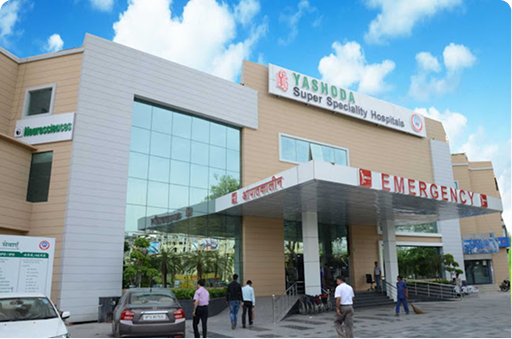
At Yashoda Medicity, patients receive coordinated care throughout the evaluation, cell processing, treatment, and monitoring phases, based on their individual clinical requirements.
Recovery and Monitoring Expectations
Post-treatment monitoring plays a crucial role in managing side effects, identifying complications, and supporting recovery.
Key post-care priorities include:
- Immune Response Tracking: Patients undergoing CAR-T therapy are closely monitored for immune-related complications such as cytokine release syndrome and neurological side effects.
- Engraftment Supervision: Stem cell transplant recipients undergo regular blood tests and clinical monitoring to assess engraftment and blood cell recovery.
- Infection Safeguards: Both treatment paths can temporarily affect immune function and may require infection-prevention measures, monitoring, and appropriate medications.
- Long-Term Follow-Up: Structured medical follow-ups help evaluate blood counts, organ function, treatment response, and long-term recovery.
Conclusion
Comparing CAR-T therapy and stem cell transplantation helps individuals understand two different treatment approaches used for selected blood cancers and other haematological conditions. Consulting the best bone marrow transplant specialist in Delhi can support appropriate diagnostic evaluation and personalised treatment planning.
At Yashoda Medicity, specialised haematology and stem cell transplant teams provide evaluation, treatment, monitoring, and follow-up based on the patient's condition and treatment requirements. Book a consultation with our specialists to discuss the most appropriate treatment pathway for your condition.
FAQs
Q1: What is the difference between CAR-T therapy and bone marrow transplant?
CAR-T therapy involves modifying a patient's T cells so they can recognise and attack specific cancer cells, while a bone marrow or haematopoietic stem cell transplant replaces or restores blood-forming stem cells after intensive treatment.
Q2: Who can be considered for CAR-T therapy?
CAR-T therapy is used for selected patients with certain blood cancers, particularly some relapsed or refractory leukaemias and lymphomas. Eligibility depends on the specific disease, previous treatments, overall health, and other clinical factors.
Q3: How does bone marrow transplantation help with blood cell recovery?
Healthy blood-forming stem cells are infused into the bloodstream. These cells travel to the bone marrow and, after successful engraftment, begin producing new blood cells.
Q4: Is protection from infections important after these treatments?
Yes. Both CAR-T therapy and stem cell transplantation can affect immune function. Depending on their treatment and recovery, patients may need infection monitoring, preventive medicines and appropriate precautions.
Q5: How do specialists choose the right treatment approach?
Haematology specialists at Yashoda Medicity consider the type and stage of disease, previous treatments, treatment response, eligibility, donor availability where relevant, and the patient's overall health before recommending an appropriate treatment approach.