Open Emergency Modal

Frequently Asked Questions

Gynaecologic oncology is a specialized branch of gynecology dedicated to comprehensive management of the cancers affecting female reproductive organ . A gynaecologic oncologist provides patient oriented care for all types of malignancies, such as cancers of the ovary, uterus, cervix, vulva, and vagina. The surgical intervention is individualized depending on the illness and general condition of the patient; including radical hysterectomies, lymph node dissections, cytoreductive surgeries or radical vulvectomies. Specialists performs these procedures to achieve the complete eradication of cancerous tissue.

For patients with concerns of reproductive tract malignancies, consulting a Gynaecologic Oncologist is the critical first step toward a successful recovery. Unlike general surgeons or standard gynaecologists, these specialists undergo advanced, dual-discipline training in both complex surgical techniques and the oncological management of female-specific cancers. By focusing on the woman as a whole rather than just the disease, a gynaecologic oncologist ensures that every patient receives a comprehensive treatment plan tailored to international oncology standards. This specialized level of care not only addresses immediate malignancy but also optimizes the long-term potential for remission and overall well-being.

Minimally invasive or robotic surgical approaches with sentinel lymph node dissection are usually the first line of treatment for uterine (endometrial) cancer. Ovarian cancer treatment involves complex cytoreductive surgery involving hysterectomy, retroperitoneal lymph node dissection, omentectomy. HIPEC/ NIPEC is usually reserved for post NACT cases of advanced ovarian cancer. Surgery for cervical cancers includes a radical hysterectomy with pelvic lymph node dissection. Vulvar cancers are treated with radical vulvectomies, groin lymph node dissection with or without flap reconstruction procedures.

Robotic surgery has completely transformed the field of gynecologic oncology. Robotic-assisted surgery provides surgeons with a stereoscopic view and greater freedom of movement, similar to that of the human wrist. Thus, allowing them to perform highly precise surgeries with minimal blood loss and post operative pain, ensuring faster recovery and return to normalcy. Robotic hysterectomies for uterine cancer are not only oncologically safe but also have better post operative recovery as compared to laparoscopy/ open surgeries.

Minimally invasive or robotic surgical approaches are usually the first line of treatment for uterine (endometrial) cancer and some early-stage ovarian cancers. Careful patient selection and disease stage are the primary determinants for offering robotic surgery in these cases to ensure no tumor spillage, maximal tumor burden reduction while ensuring oncolgical safety. In general, stage 1/2 endometrial cancers and small, stage 1 low grade ovarian tumors may be offered a minimally invasive surgery option after meticulous patient selection. Besides, these methods considerably benefit patients with comorbidities like obesity, type 2 diabetes, hypertension and previous abdominal surgeries, as they have a safer surgical profile, less blood loss, and a shorter time under anesthesia.

In cases of advanced stage gynaecologic cancers, especially ovarian cancer, cytoreductive Surgery with aim at maximal tumor removal is the treatment modality. Cytoreductive surgery is an extensive surgical procedure involving hysterectomy, oophorectomy, pelvic and para- aortic lymph node dissection, omentectomy and may require segmental bowel/ organ resection depending on disease spread. HIPEC (Hyperthermic Intraperitoneal Chemotherapy) is usually reserved for ovarian cancer cases, post 3-4 cycles of neoadjuvant chemotherapy. This involves circulation of heated fluid containing chemotherapeutic agent, directly in the abdomen to kill the microscopic cancer cells. This combined treatment extends patient survival but also carries a higher morbidity rate, mandating strict selection criteria and pre-operative counselling.

Local or single site disease recurrences may be offered minimally invasive surgical option depending on type and grade of cancer and pattern of recurrence; although this is not the standard of care in recurrent cancer setting.

Surgeries for recurrent cancer are complex and often require multidisciplinary surgical care in collaboration with urologist or gastrointestinal surgeons. Exenteration procedure, laterally extended resections, secondary cytoreductive surgeries, lymph node dissections are often required for managing recurrences.

Modern women’s cancer care has shifted toward a proactive, holistic model that prioritizes both long-term survival and future quality of life by integrating preventive oncology and oncofertility. Preventive management focuses on the early identification of high-risk individuals through advanced genetic testing for markers like BRCA, HRD, and MSI, alongside rigorous screening protocols such as biennial mammograms for women over 40 and comprehensive cervical surveillance via Pap smears and HPV testing. When precancerous conditions are diagnosed, they are intercepted using targeted interventions like HPV vaccination, thermal ablation, or surgical procedures like LEEP and conization. Simultaneously, the field of oncofertility ensures that life-saving treatments do not come at the cost of future family planning; by diagnosing fertility risks early and employing egg or embryo freezing prior to chemotherapy or oophorectomy, clinicians provide cancer survivors with a viable pathway to biological motherhood through assisted reproductive techniques.

Dr. Satinder Kaur manages complex gynaecologic oncology cases at Yashoda Medicity by integrating her surgical expertise with cutting-edge robotic and minimally invasive surgical platforms. By utilizing robotic equipment that allows for micro-level precision and detailed dissections, she is able to navigate deeply embedded tumors that might otherwise require more invasive, high-risk conventional surgery. This sophisticated approach enables Dr. Kaur to maneuver delicate tissues with extreme accuracy, significantly minimizing hemorrhage and preserving healthy surrounding tissue. Consequently, patients benefit from a recovery process that is both faster and less painful, all while maintaining the highest international standards of oncological safety and clinical outcomes.

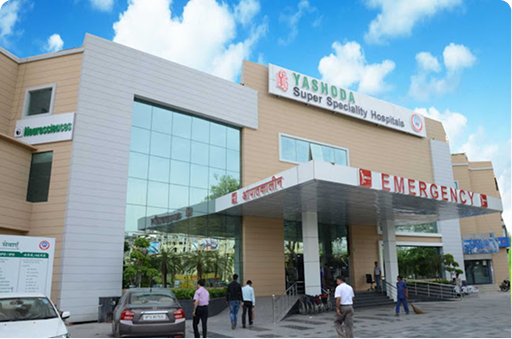
For patients seeking premier gynecologic oncology and robotic surgical care in Ghaziabad, Yashoda Medicity serves as a state-of-the-art regional center of excellence. This facility provides a comprehensive, world-class infrastructure that consolidates advanced diagnostics and cutting-edge surgical technology in a single, accessible location. Under the expert leadership of Dr. Satinder Kaur, women have access to international standards of treatment for ovarian, uterine, and cervical cancers . By integrating sophisticated robotic platforms , Yashoda Medicity ensures high-precision care that minimizes physical trauma, allowing patients to achieve remission and return to their daily lives with minimal disruption.

Advanced gynaecologic cancer care at Yashoda Medicity serves a diverse spectrum of women, ranging from those seeking proactive prevention to those navigating complex recoveries. This specialized care is essential for high-risk individuals utilizing genetic screening to intercept hereditary predispositions, as well as younger patients who require oncofertility support to safeguard their future family goals before undergoing treatment. Furthermore, patients facing complex or recurrent malignancies benefit significantly from the precision of minimally invasive and robotic surgeries, which offer better outcomes with less physical trauma. By seamlessly integrating these pillars of prevention, fertility preservation, and cutting-edge technology, Dr. Satinder Kaur provides a holistic pathway to health that addresses the unique medical and personal needs of every woman.