Open Emergency Modal

Frequently Asked Questions

General Medicine is the main pillar of adult healthcare, closely involving expert diagnosis and treatment of a wide range of diseases. However, it is much more than just treating the sick. It advocates a deep, "patient, first" philosophy that is proactive. Preventive management is at the heart of this strategy, using regular health checks and ultra-accurate vaccines to prevent the onset of chronic diseases.

This healthcare system is delivered through comprehensive lifestyle changes, including individually tailored diets and stress reduction, as well as regular diagnostic tests. By detecting metabolic or infectious conditions at their earliest stages, Internal Medicine doctors help patients avoid complications and ensure a long, healthy life.

General medicine and preventive health care address a wide range of acute, chronic, and lifestyle-related conditions. This includes the diagnosis and management of Type 1 and Type 2 diabetes, thyroid disorders, infectious diseases, and immune-related conditions. Preventive care also focuses on lifestyle diseases such as obesity, lipid disorders, and early cardiovascular risk through health screenings, vaccinations, and risk assessments. Together, this approach helps detect health issues early, manage existing conditions effectively, and reduce the risk of future complications.

In general medicine, the treatment of diabetes, thyroid disorders, and lifestyle-related conditions primarily aims to achieve metabolic and hormonal stability through a combination of clinical monitoring and behavioural interventions. Diabetes management focuses on glycemic control as the key to preventing secondary complications such as vascular damage or nerve loss. Biomarkers such as haemoglobin A1c are monitored, and pharmacological treatments, from insulin to oral sensitisers, are used alongside regular screening for kidney and retinal health.

Thyroid disorders treatment is basically aimed at hormonal harmony that is attained with synthetic hormone replacement in case of hypothyroidism or anti-thyroid medications and other measures in case of hyperthyroidism. Since thyroid function directly affects basal metabolic rate, physicians regularly test TSH and T4 levels to ensure the patient's metabolism is balanced, facilitating energy provision and weight maintenance.

Preventive cardiology is one of the main components of general medicine promotion in health, targeting risk factors primarily before they become clinical cardiovascular diseases. In the context of preventive care, such a function would include a thorough evaluation of the patient's metabolic and vascular conditions, including regular screening for hypertension, dyslipidemia, and obesity.

With the help of the ASCVD (Atherosclerotic Cardiovascular Disease) risk estimator, primary care physicians can determine a patient's risk of future cardiac events and take steps to prevent them at the earliest stage. Such steps usually include a combination of the use of drugs, which have been backed by clinical evidence, e.g., statins or medications for blood pressure, and a strong commitment to changing habits towards a healthier lifestyle so as to maintain the health of the arteries and cease the development of atherosclerosis.

An Internal Medicine Specialist, Dr. Vinay Bhat, is especially qualified to manage the health of adults because their 22 years of experience focuses solely on the prevention, diagnosis, and treatment of diseases in adults. Unlike general practitioners who treat patients of all ages, internists focus on the "big picture" of adult health and can handle both straightforward wellness cases and complex multisystem chronic conditions such as diabetes, heart disease, and autoimmune disorders.

When you choose an internist for your preventive care, you get a primary health advocate who is not only knowledgeable about collaborating with other specialists but also skilled at navigating the complexities of treatments and medications over time.

While the clinical goals of an internal medicine doctor often overlap, their approach to general medicine is fundamentally investigative and systems-oriented. When addressing general medical concerns, an internist functions as a diagnostic detective, focusing on the pathophysiology of current symptoms. They view the adult body as a complex web of interconnected organ systems, such as the renal, cardiovascular, and endocrine systems. Their primary objective in this mode is to solve a clinical puzzle by synthesising physical findings, patient history, and laboratory data into a cohesive diagnosis. This process is often reactive, triggered by a patient's specific complaint or an acute change in health, requiring the doctor to manage the "cross-talk" between different diseases to ensure that treating one condition does not inadvertently worsen another.

Dr. Vinay Bhat leverages over two decades of clinical expertise in general medicine and preventive health management at Yashoda Medicity, where he acts as a primary health architect for his patients. As an Associate Director of Internal Medicine, he is deeply involved in the treatment of complex, multi-system chronic diseases (such as diabetes, hypertension, and metabolic disorders) at their root rather than merely addressing surface symptoms.

Moreover, his approach includes specialised preventive cardiology and advanced diabetes management to identify the earliest signs of illness; in addition, his knowledge of infectious diseases and adult vaccinations provides a strong defence against acute health challenges.

By using sophisticated diagnostic tools and personalised lifestyle counselling, Dr. Bhat is able to devise a coordinated, longitudinal care plan for his patients that focuses on long-term health and systematic disease prevention.

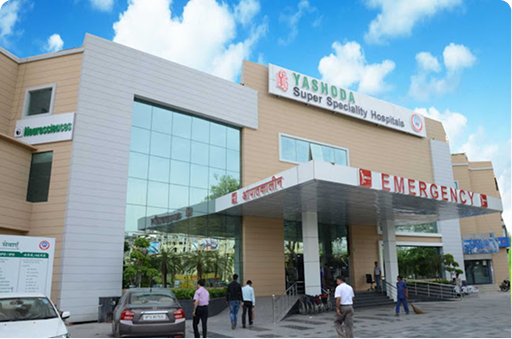
Patients in Delhi NCR and the Ghaziabad area can access a wide range of general medicine and preventive healthcare services at Yashoda Medicity. These facilities have a multidisciplinary approach that, combined with state of the art diagnostic technology, allows the patient to get coordinated care in one place for both acute infections and complicated chronic conditions, plus the provision of adult vaccines and lifestyle counselling, all without the necessity of travelling off the single campus.

Yes, Yashoda Medicity offers specialised treatment for chronic diseases, including diabetes and heart disease, through its specialised departments and expert consultants.