Open Emergency Modal

Frequently Asked Questions

Comprehensive and advanced medical oncology at Yashoda Medicity represents the pinnacle of modern cancer care, moving beyond traditional methods to offer a holistic, "bench-to-bedside" approach. Led by the expertise. This discipline integrates systemic therapies like high-precision chemotherapy, molecular targeted therapy, and the top immunotherapy.
These advanced treatments are designed to identify and attack specific cancer cells while minimising damage to healthy tissues, significantly reducing side effects and improving the patient’s overall quality of life. By leveraging genetic profiling and precision medicine, the oncology team can tailor treatments to a patient's tumour's unique biological makeup.

Comprehensive and Advanced Medical Oncology at Yashoda Medicity is equipped to offer the best therapeutic interventions for almost all types of cancers affecting various organs of the body. With cancers of solid organs such as those of the breast, lung, and gastrointestinal tract (oesophagus, stomach, and colon), which have high incidences. They handle complex cases of genitourinary and gynaecological malignancies. The facility also provides comprehensive services for hepatobiliary, pancreatic, and head-and-neck cancers.
Moreover, the advanced treatment modalities not only focus on solid tumour cancers but also cover blood cancers such as lymphoma, multiple myeloma, and various types of leukaemia, thereby providing a comprehensive range of systemic therapies for blood cancers.

Medical oncology treats breast, lung, gastrointestinal, and gynaecological cancers mainly using medicines that travel through the bloodstream to find and attack cancer cells anywhere in the body. For breast cancer, treatment depends on the type of cancer and may include hormone medicines, targeted drugs, or immunotherapy. For lung cancer, doctors now use special tests to choose medicines that target specific changes in cancer cells or help the body’s own immune system fight the disease, sometimes instead of regular chemotherapy. For gastrointestinal cancers such as colorectal and pancreatic cancer, treatment often includes medicines to shrink the tumour first and then surgery if needed. For gynaecological cancers like ovarian, cervical, and uterine cancer, treatment usually involves chemotherapy along with newer medicines that stop cancer cells from repairing themselves, and in some cases, immunotherapy for advanced disease.

Medical oncology plays a central role in the treatment of blood cancers such as myeloma and lymphoma. It focuses on planning and coordinating advanced therapies, including high-dose chemotherapy, immunotherapy, and specialised procedures like hematopoietic stem cell transplantation, with the goal of achieving the best possible disease control and long-term remission.

For advanced medical oncology cancer care, you should consult a Medical Oncologist. At Yashoda Medicity, Dr. Manish K. Singhal, an experienced specialist in systemic cancer therapies and advanced clinical care, provides expert guidance and personalized treatment for patients with complex cancers

Diagnosis requires biopsy, PET, CT scan, and molecular profiling, while treatment focuses on systemic drugs that offer a general effect on cancer cells throughout the body.

Dr. Manish K. Singhal (AIIMS alumnus) provides a care plan being customised to the patient and based on evidence by harnessing his 20+ years of global experience and the latest diagnostic strategies.

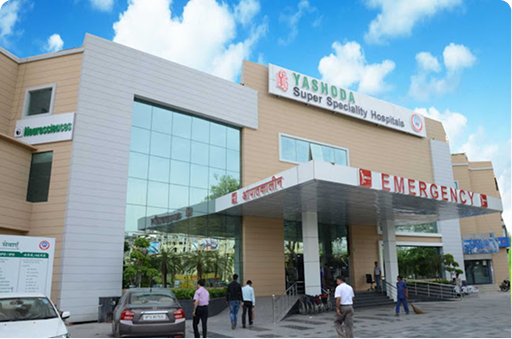
At Yashoda Medicity, Ghaziabad, advanced medical oncology services are available to patients, and the facility serves the entire Delhi NCR region.

Yes. Yashoda Medicity offers comprehensive cancer care for both solid organ and blood cancers through its Advanced Medical Oncology Department, led by Dr. Manish K. Singhal. The department treats major solid tumours such as breast, lung, gastrointestinal, genitourinary, gynaecological, hepatobiliary, pancreatic, and head-and-neck cancers.
In addition, specialised treatment is available for blood cancers, including leukaemia, lymphoma, and myeloma, using advanced systemic therapies.